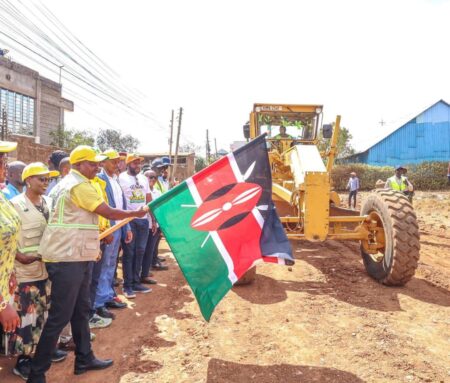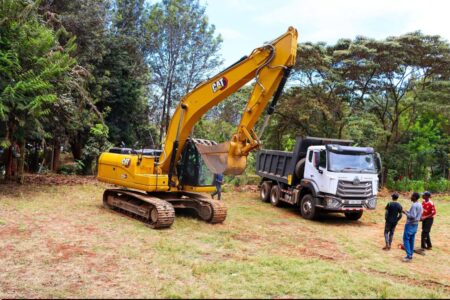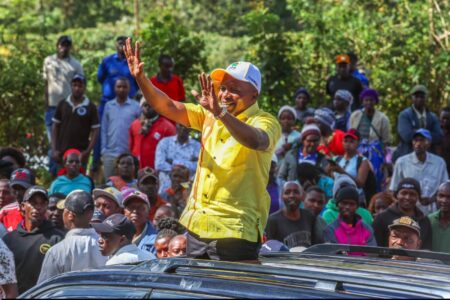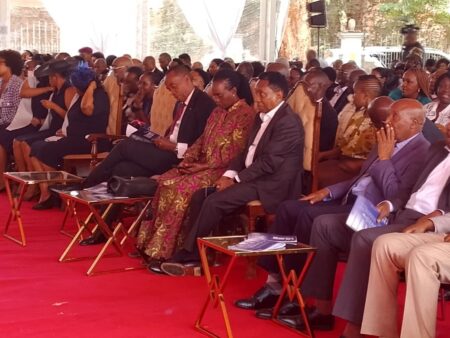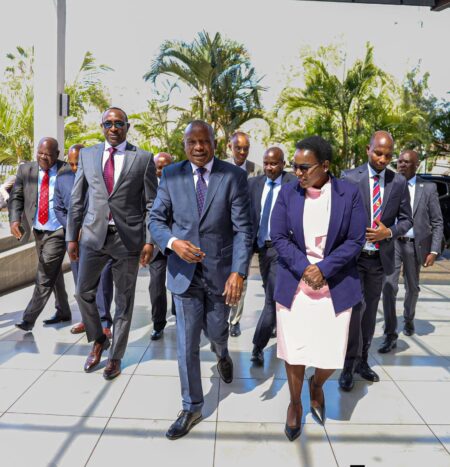



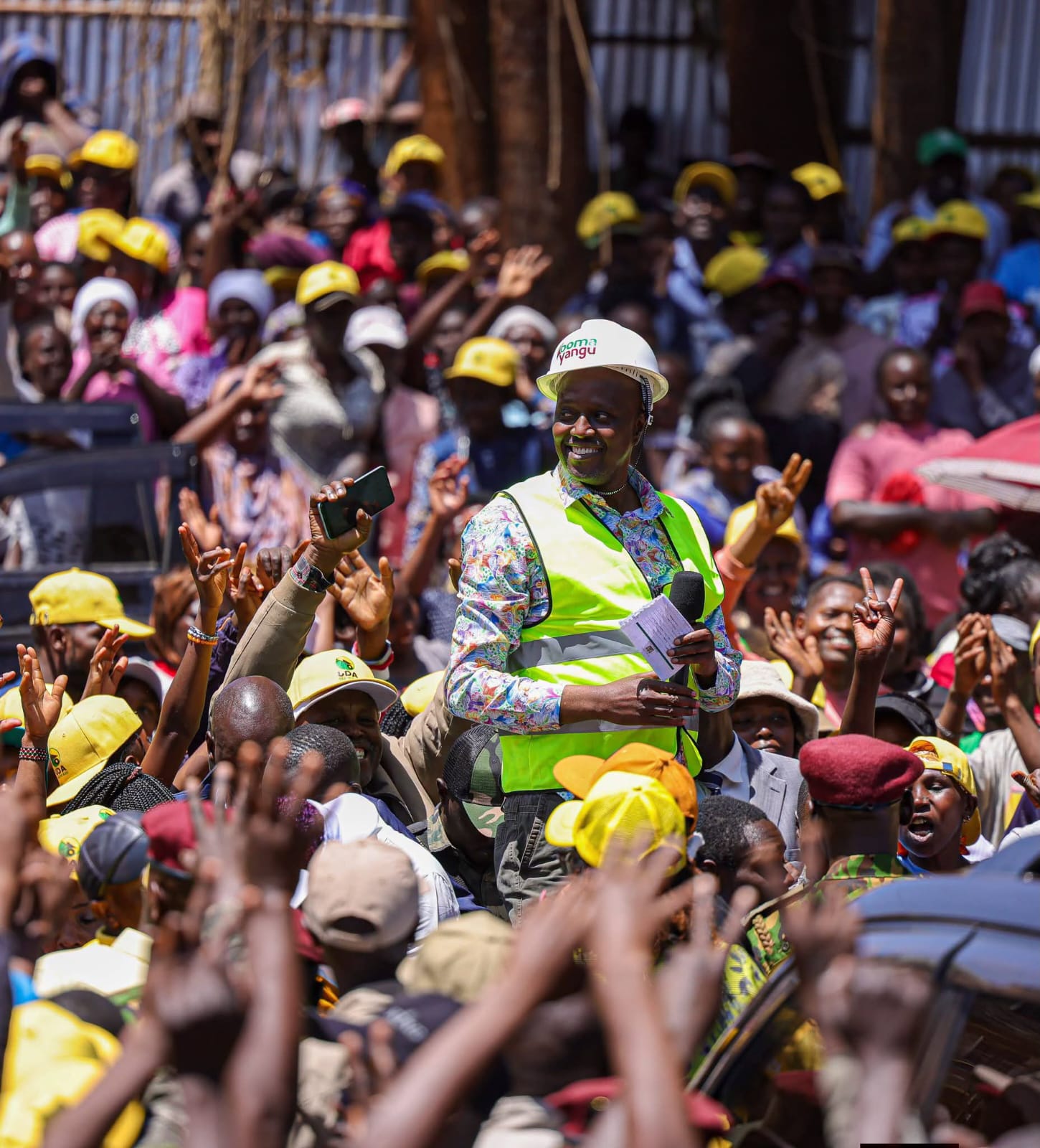
Kiambu residents are set to benefit from a new primary and junior school in Kirigiti, ending a more than two-decade wait for a public learning institution within the sub location, Kiambu MP Machua Waithaka has said.
Speaking during the launch of Kirigiti Primary and Junior School, Waithaka said the project was conceived in response to the difficulties children face travelling long distances to neighbouring schools, exposing them to road safety risks and leaving them exhausted before lessons begin.
The legislator said the community had gone without a primary school for more than 23 years, forcing learners to travel to Kiambu Primary School, about 2.5 kilometres away, and Keo River and Riabai primary schools, each approximately two kilometres from the area.
“We have been here for 23 years and seen that Kirigiti does not have a primary school. We decided that we had to establish one here,” Waithaka said.
He said efforts to secure land for the institution were initially hampered by difficulties in identifying suitable property, but the team eventually secured four acres for the development.
The MP said the school was expected to open within six months, following a commitment announced by Deputy President Kithure Kindiki, who attended the launch.
The institution is expected to bring education closer to families in Kirigiti, reduce the burden of daily travel and provide children with more time and a better environment for learning.
Waithaka said the distance to existing schools had been particularly challenging for younger learners, who must contend with traffic and other road hazards on their way to and from classes.
He expressed gratitude to the national government for supporting the project, saying the new institution would address a longstanding gap in local education infrastructure.
Beyond the Kirigiti project, Waithaka appealed to the Deputy President to provide an additional Sh5 million to improve the learning environment at Ting’ang’a Model Primary School, where dust from an adjacent football field is disrupting lessons.
The MP said the school had already received about Sh13 million in development funding, which had been used to put up classrooms, including a block serving learners in Class Eight.
However, he said dust generated by activities on the neighbouring football ground had become a major challenge for pupils and teachers, affecting visibility, classroom comfort and the ability of learners to concentrate.
He asked the national government to help separate the school from the football field to create a more conducive environment for learning.
“The dust from the football field is unbearable. It affects the pupils’ ability to study and even makes it difficult to read their books. I am asking for Sh5 million to help separate the school from the playing field,” Waithaka said.
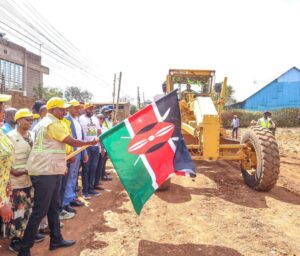
The request came as the MP outlined other development initiatives in Kiambu, including road construction and improvements to education facilities.
He cited road projects in Thindigua and other parts of the constituency, saying infrastructure investment had helped improve access and support development in areas that had previously lacked adequate services.
Waithaka also defended the community’s preference for educational infrastructure over a proposed prison project in Kiambu, saying residents had expressed support for a school during public participation.
He said the views of residents should guide decisions on projects that directly affect their communities, adding that the government should prioritise facilities that respond to local needs.
The launch also brought attention to the financial difficulties facing some learners, with Kindiki being asked to assist a Form One student whose family circumstances had threatened his education.
During the event, Waithaka introduced Daniel Njuguna, a Grade 10 learner at Murang’a High School, who he said had approached his office seeking assistance after his mother died and his father developed diabetes.
According to the MP, the boy was struggling to meet the financial demands of continuing his education and had appealed for help to avoid having his studies interrupted.
Waithaka asked the Deputy President to consider taking up the learner’s case and supporting him through an appropriate government education assistance programme.
He said helping vulnerable children remain in school was essential to protecting their future, particularly where family bereavement and illness had undermined their ability to meet school expenses.
The exchange highlighted the wider challenges facing families seeking to keep children in secondary school amid financial hardship.
Kindiki used the gathering to urge residents to support government development programmes, asking the community to stand behind initiatives aimed at improving public services and expanding opportunities for young people.
The Deputy President’s attendance underscored the importance attached to the Kirigiti school project, which is expected to ease pressure on neighbouring schools and improve access to basic education.
The launch also provided an opportunity for local leaders to raise concerns about the condition of existing institutions and seek additional resources to address infrastructure gaps.
For residents of Kirigiti, the proposed school represents an effort to correct a longstanding shortage of public education facilities in an area where children have had to travel outside their immediate neighbourhood to attend primary school.
Its success will depend on the timely completion of construction, adequate provision of classrooms and learning facilities, and the availability of teachers to serve the expected enrolment.
The six month opening target will therefore be a key milestone for families hoping to enrol their children closer to home.
For Waithaka, the project is part of a broader push to expand access to education and improve local infrastructure, while the request for additional funding at Ting’ang’a Model Primary School highlights the need to ensure that existing institutions also provide safe and suitable conditions for learning.