


Deputy President Kithure Kindiki has announced an additional Sh70 million for the completion of Karura Ka Nyungu Technical Training Institute in Kabete Constituency, Kiambu County, as the government steps up investment in technical education, roads and other infrastructure.
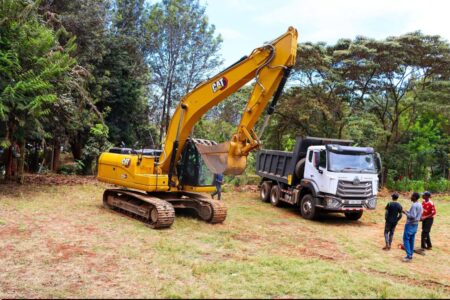
Prof Kindiki said Sh30 million had already been released for the construction of the institution, with a further Sh40 million expected shortly to facilitate completion of the project and expand access to technical and vocational education for young people in the area.
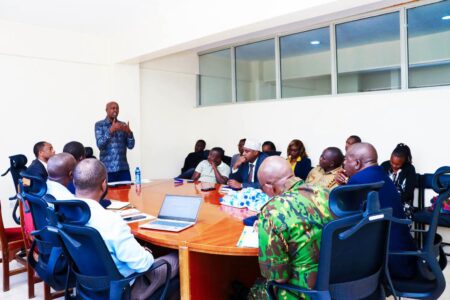
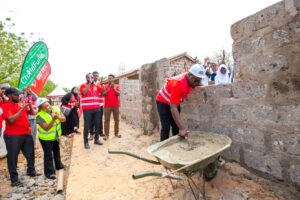
He spoke on Wednesday during an inspection of the ongoing construction works at the institute, where he said the facility would equip learners with practical skills needed to support industrialisation, create employment and accelerate Kenya’s economic transformation.
The Deputy President said the government would also construct a 340 bed student hostel at the institution at a cost of Sh170 million, providing accommodation for trainees and enabling them to study in a more conducive environment.
The projects form part of the government’s broader plan to expand technical training opportunities and strengthen the link between education, skills development and the country’s industrial ambitions.
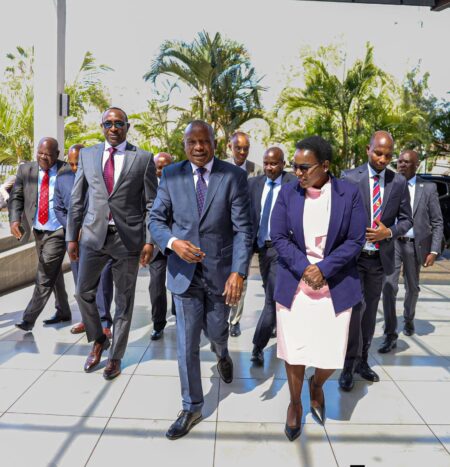
Kindiki was accompanied by Kiambu Woman Representative Anne Wamuratha, Kabete MP Githua Wamachukuru, Thika Town MP Alice Ng’ang’a, Kiambaa MP Njuguna Kawanjiku, MCAs, government officials and local leaders.
Kindiki said technical institutions were central to preparing young people for employment and entrepreneurship, arguing that the country’s ambition to become a first-world economy depended on a skilled workforce capable of supporting manufacturing, construction, technology and other productive sectors.
He said the expansion of technical and vocational education and training institutions was intended to give more young people access to marketable skills and reduce barriers to opportunities created by economic growth.
The government’s investment in student accommodation, he added, would complement the expansion of training facilities by providing learners with access to safer and more convenient housing near their institutions.
The Deputy President cited the elevation of Kiambu Institute of Science and Technology to Kiambu National Polytechnic as an example of the government’s efforts to strengthen technical education in the county.
He said plans were also underway to construct hostels with 1,740 beds at Kiambu National Polytechnic at a cost of Sh672 million.
The additional facilities are expected to support the growing number of trainees enrolling in technical institutions and improve their access to education and training.
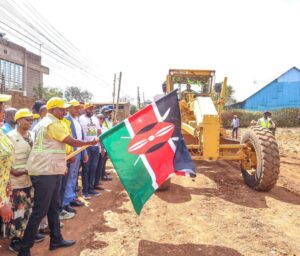
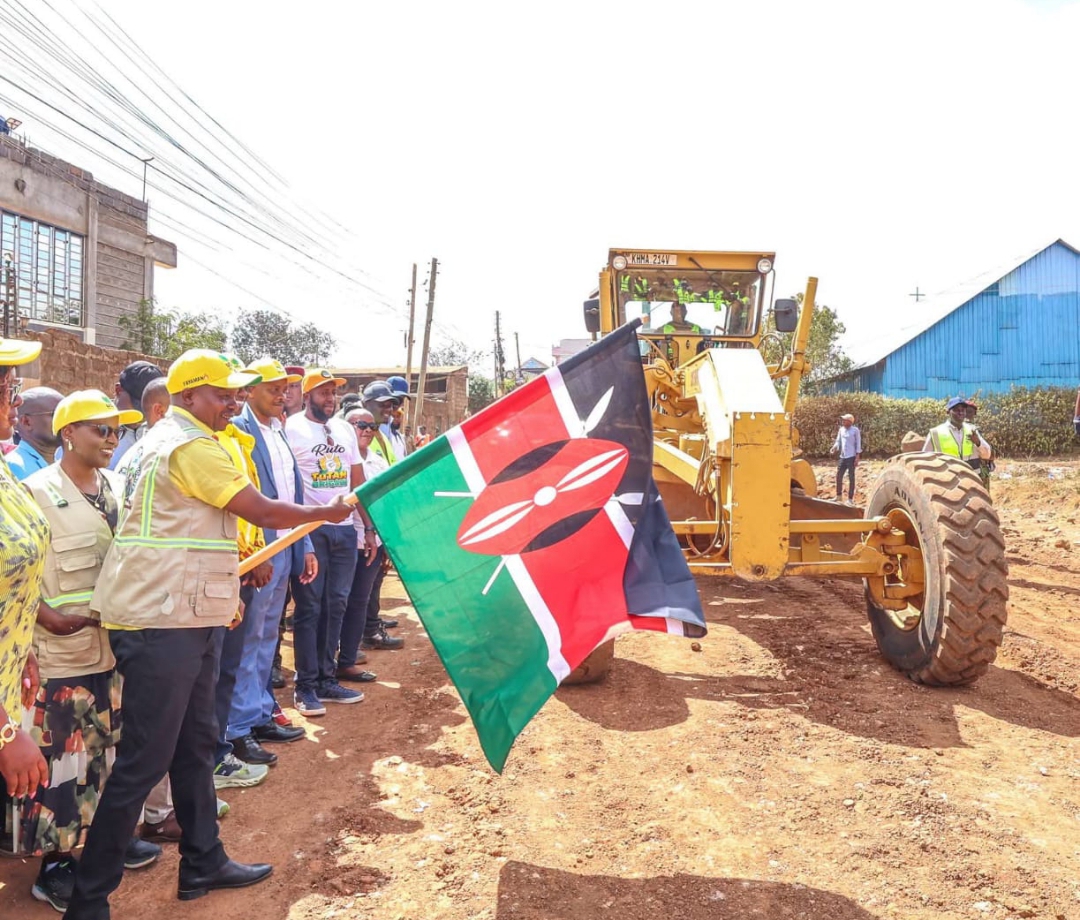
In a separate engagement in Muthure, Kindiki launched construction works on the Muthure-Njathaini road, one of several projects being undertaken under a Sh330 million road development programme in Kabete Constituency.
The other roads earmarked for construction include Kanyariri-Muthure, including links to ACK and SDA Muthure; Ngure ACK-Gitaru-Kanyariri-Ndumbu-ini; Green Belt-Mbari ya Njau; Motego-Gitaru; and St Anne Catholic-Kaburini.
The projects are intended to improve connectivity between residential areas, trading centres and essential services while easing the movement of people and goods.
Kindiki said road infrastructure remained a priority in Kiambu, which has experienced rapid urbanisation and growing pressure on its transport network because of its proximity to Nairobi.
He cited the planned tarmacking of 1,285 kilometres of roads in the county at an estimated cost of Sh152 billion.
Of this target, he said, 368 kilometres had already been completed at a cost of Sh20 billion.
The Deputy President said the government was also pursuing major highway expansion projects intended to reduce congestion, shorten travel times and improve movement between Kiambu and Nairobi.
Among the projects is the planned dualing of the Muthaiga Roundabout-Kiambu Town road, for which he said a contract worth Sh29 billion had been awarded and the contractor was mobilising to begin construction.
The project is expected to address persistent traffic congestion along one of the principal routes connecting Kiambu residents and businesses to the capital.
Kindiki also cited the ongoing expansion of the Rironi-Mau Summit highway into a four-lane and, in some sections, six lane road.
The highway is a key transport corridor linking the Nairobi metropolitan area to the Rift Valley and western parts of the country.
He further said feasibility studies and design work were underway for a proposed expressway linking Thika Town to Museum Hill in Nairobi, a project that could provide an alternative route for commuters travelling between the two urban centres.
The proposed road would build on the existing Thika Superhighway and is intended to improve transport efficiency along the busy corridor.
The Deputy President also announced Sh25 million for the first phase of the construction of Kirigiti Primary and Junior Secondary School in Kiambu Town, with a commitment to seek an additional Sh25 million to expand the project.
He said the initial allocation would finance 10 classrooms, an administration block, two laboratories and an ablution block with 18 toilets.
Kindiki said the government and the contractor had agreed to fast track the works, with the school targeted for completion before March 2027.
The new institution is expected to increase access to basic education in Kirigiti and ease pressure on existing schools as the demand for learning facilities grows.
Kindiki said education remained one of the most important investments a government could make, describing it as a tool for reducing inequality and widening opportunities for children from different economic backgrounds.
He said the government had increased the education budget from Sh500 billion in 2022 to Sh784 billion in the current financial year.
He also cited the recruitment of 100,000 teachers, the construction of 23,000 classrooms and the establishment of 1,600 laboratories as part of the administration’s education programme.
According to the Deputy President, enrolment in technical institutions had risen from 218,000 students to 718,000 in 2025, reflecting increased demand for technical and vocational training.
He said the government would continue to seek additional resources for education infrastructure, noting that the Sh25 million allocated to Kirigiti was only the first phase of the project.
Kindiki said he would work with Kiambu Town MP Machua Waithaka to secure the additional Sh25 million, which would bring the proposed funding for the school to Sh50 million.
Beyond infrastructure and education, Kindiki highlighted measures aimed at reducing production costs for farmers and improving returns from agriculture.
He said the price of fertiliser had been reduced from Sh7,000 per bag in 2022 to Sh2,500 before a further reduction to Sh2,000.
He also announced a reduction in the price of maize seed supplied by Kenya Seed Company, saying a one-kilogramme pack that previously cost Sh300 would now retail at Sh150.
A two kilogramme pack would consequently cost Sh300, down from Sh600.
The reductions, he said, were intended to make farm inputs more affordable, improve productivity and strengthen household incomes in agricultural communities.
Kindiki also said the government had distributed 230 milk coolers nationally, including 14 in Kiambu County, and expected another 670 units to arrive.
He promised that Kiambu would receive priority in the next distribution, citing the county’s importance in the country’s dairy industry.
The Deputy President also pointed to improved prices for agricultural commodities, saying coffee prices had risen from about Sh60 per kilogramme to between Sh120 and Sh150, while milk prices had increased from Sh35 to about Sh50.
The price gains, he argued, would improve earnings for farmers, although the long term benefits would depend on production costs, market conditions and the prices farmers actually receive.
Kindiki said the government was also investing in markets designed to provide small scale traders with cleaner and more secure spaces to conduct business.
He said the planned facilities would include cold rooms to reduce post harvest losses, as well as designated childcare and breastfeeding spaces to help women traders balance business and family responsibilities.
The facilities are intended to improve trading conditions for vendors who often operate in exposed and congested spaces.
He said 31 markets were being implemented in Kiambu County, adding that construction of the Kangangi market had been revived after delays.
Kindiki said the contractor had been directed to complete the market by January 31, after which it would be handed over to traders.
The government is also pursuing affordable housing projects and student hostels as part of a wider urban development programme.
In Kiambu, Kindiki said 1,977 affordable housing units were under construction at a cost of Sh5.2 billion.
He said the housing, market and hostel programmes were intended to improve living conditions, expand access to decent accommodation and create jobs for young people.
According to the Deputy President, the national affordable housing, market and hostel programme had generated employment for about 1.1 million young people across various occupations, including engineering, architecture, surveying, electrical work, masonry and carpentry.
He said continued investment in housing and urban infrastructure would help address the growth of informal settlements while creating employment opportunities in the construction industry.
The Deputy President concluded his address with an appeal for political tolerance, warning leaders seeking elective positions against using young people to disrupt opponents’ meetings or destroy property.
He urged politicians to campaign on their records, policies and development plans instead of mobilising groups to intimidate rivals.
Kindiki said acts such as attacking vehicles, blocking roads and vandalising businesses undermined democratic rights and threatened the livelihoods of ordinary citizens.
He warned that the government would take a firm stance against political leaders who finance violence or recruit young people to interfere with opponents’ activities.
The Deputy President said Kiambu’s reputation as a centre of business and investment made peaceful political competition particularly important.
He urged residents and leaders to protect property, maintain order and allow candidates to present their agendas freely as preparations for the 2027 General Election gather pace.
Kindiki said the government’s development programme would continue to focus on roads, schools, technical institutions, markets, housing and agricultural support, arguing that sustained investment in these sectors was essential to Kenya’s long term economic transformation.
The projects announced in Kabete and Kirigiti will now face the test of implementation, with residents expected to judge the government’s commitments by the timely completion of the facilities and the benefits they deliver to local communities.