




Across the Mt. Kenya region, a vigorous government crackdown on illicit brews and substance abuse is well underway. However, as authorities clamp down on dens and illegal outlets, a critical medical emergency has surfaced: abrupt withdrawal. For severe addicts, cutting off alcohol and drugs cold turkey without medical supervision is triggering acute withdrawal symptoms, hallucinations, and rapid fatalities.
In response, local stakeholders—including clergy, medical professionals, and community leaders—are urgently calling on the Kiambu County Government to partner with established private rehabilitation facilities to provide safe, medically monitored detoxification and treatment.
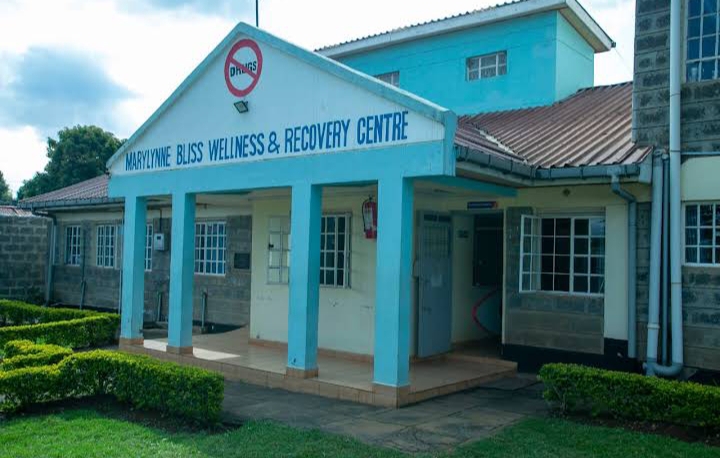
At the forefront of this community-led response is the Mary Anne Bliss Wellness Centre in Ngecha, Limuru. Founded by Mary Wangui after witnessing the silent, tragic deaths of young people in her village due to toxic brews, the center provides specialized care to safely manage withdrawal and psychological trauma.
Supported by voices like Father Wallace Gitau and psychiatrist Caroline Wanjiku Ngugi, the facility emphasizes that saving the younger generation requires more than enforcement—it demands compassionate, structured rehabilitation, medical intervention, and robust moral support.
The aggressive government crackdown on illicit liquor and illegal drug outlets—particularly across the Mt. Kenya region—is gaining momentum as various stakeholders step up to play their part.
However, a dangerous trend has emerged: quitting heavy alcohol or drug use abruptly without medical intervention is causing severe withdrawal complications, leading to a rising number of rapid fatalities that can be even more fatal than continued drinking.
In response to this crisis, local stakeholders, including church leaders, are urging the Kiambu County Government to either establish public rehabilitation facilities or collaborate with existing private centers to provide critical medical care and treatment.
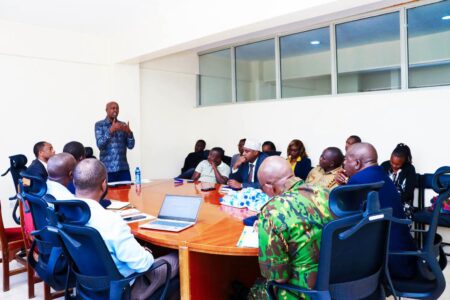
Speaking at the Mary Anne Bliss Wellness Centre—an established rehabilitation facility located in Ngecha, Limuru—Father Wallace Gitau stressed that integrating addicts into a structured rehabilitation system is vital for providing effective support to both the victims and their families.
Father Gitau noted that administering specialized medical treatment early in the recovery process is essential for stabilizing patients and managing severe withdrawal effects, including hallucinations.
According to Mary Wangui, the director of the center, she was deeply moved by the surge of deaths stemming from toxic brews in her village. Witnessing young people trapped in addiction quietly losing their lives compelled her to step forward and offer a solution.
Wangui warned that a whole generation faces extinction unless substantive, collaborative measures are taken immediately to rescue the youth from this destructive menace.
Echoing these concerns, psychiatrist Caroline Wanjiku Ngugi, who works daily with individuals struggling with addiction, emphasized the importance of moral support. She noted that most addicts feel isolated and neglected, calling for a compassionate, community-driven approach alongside coordinated support from relevant government departments.