




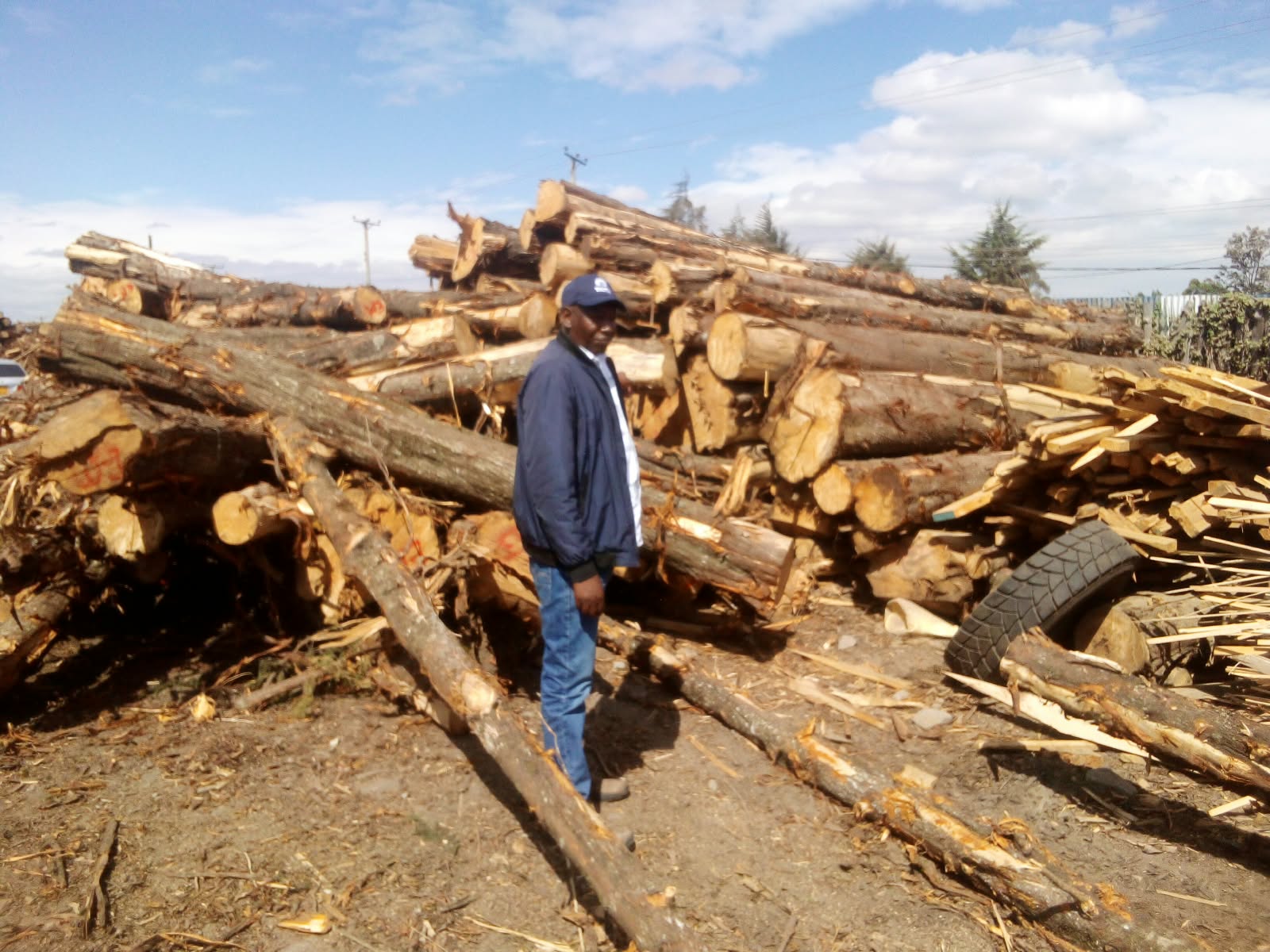
Licensed sawmillers from Kiambu and Nyandarua counties have dismissed claims circulating on social media and by a section of political leaders that harvesting of exotic forest plantations is irregular.
In a press release issued by the Timber Manufacturers Association (TMA) Secretariat for the two counties, the sawmillers said they are legally pre-qualified and licensed operators who acquired commercial plantation materials from the Kenya Forest Service (KFS) through a public procurement process.
The association said exotic commercial plantations, mainly comprising Cypress, Pine, Eucalyptus and Grevillea, were established in 1946 to protect indigenous trees from exploitation for timber, poles and firewood. The plantations cover 152,790 hectares.
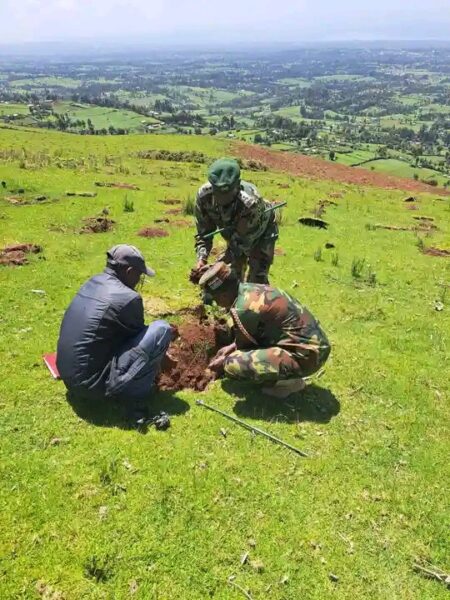
According to TMA, the system was designed to produce 5,000 hectares for annual harvesting, alongside silvicultural operations to maintain healthy forests.
However, the sector has faced bans and moratoriums for 19 out of the last 26 years, creating a 19-year backlog of 5,000 hectares per year. The association noted that majority of the plantations are now overgrown and decayed.
The sawmillers highlighted the economic importance of the commercial forests, saying the operations provide employment to logger operators, drivers, power saw operators, sawmill operators, managers and salespersons among others, with trickle-down benefits to banks, petrol stations, workshops, hotels and furniture makers.
They cited massive economic growth in towns including Ol Kalou, Naivasha, Njabini, Magumu, Engineer, Wanjohi, Ndaragwa, Kimende, Limuru, Kikuyu, Kiambu, Githunguri, Ruiru, Thika and Juja, leading to reduced crime, reduced drug and alcohol abuse and family stability.
The group said the country’s timber needs are now met locally, unlike previously when 90 percent was imported, straining foreign exchange. They added that both national and county governments have benefited from increased revenues, while local communities benefit through the PELIS/Shamba system which ensures food security and prompt replanting.
In conclusion, TMA said over 600 sawmill industries in the two counties have directly employed over 20,000 people and over 300,000 indirectly, warning that any interruption would negatively affect the region’s economic wellbeing and job security.