





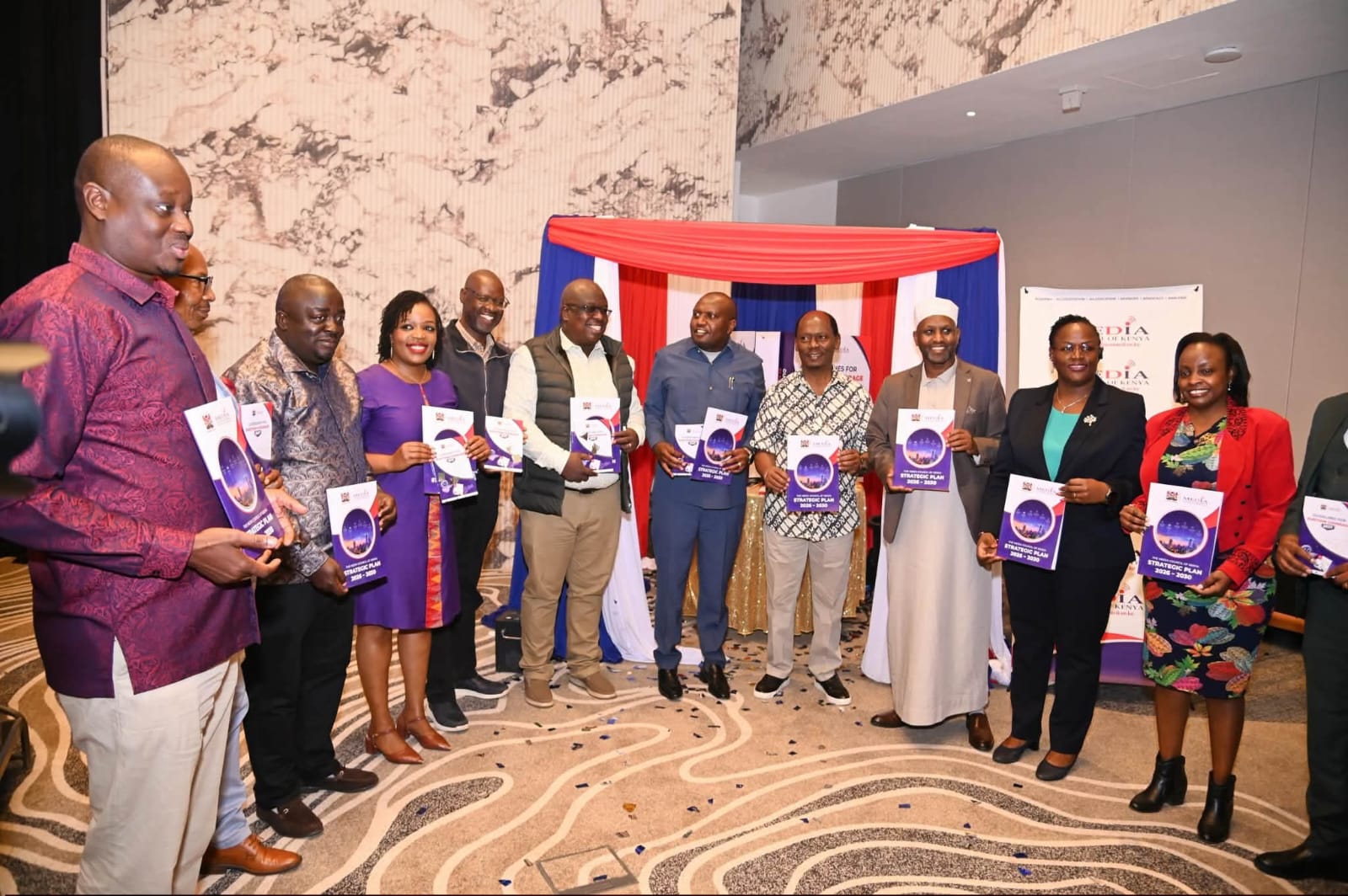
The Media Council of Kenya (MCK) has unveiled its Strategic Plan 2026–2030 and Guidelines for Election Coverage 2027, setting out a new framework to strengthen professionalism, accountability and public trust in the media ahead of the General Election.
The two key documents were launched on Friday in Nakuru by Cabinet Secretary for Information, Communications and the Digital Economy William Kabogo, alongside the commissioning of the MCK Nakuru Media Hub.
The launch comes at a critical time for Kenya’s media industry, with newsrooms preparing for an election expected to be fought across traditional media and an increasingly influential digital environment.
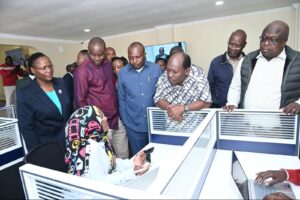
CS Kabogo said the five-year strategic plan would provide a clear roadmap for strengthening professional standards, institutional independence, accountability and public confidence in journalism.
He challenged media organisations to begin preparations for the 2027 elections early by incorporating the new election coverage guidelines into their editorial systems.
“Preparation must begin now, before the campaigns start,” Mr Kabogo said, urging news organisations to ensure that their election reporting is accurate, fair and balanced.
He said the media would operate in an increasingly complicated information environment, particularly because of the rapid growth of Artificial Intelligence and the spread of misinformation and disinformation.
Mr Kabogo warned that AI-generated text, photographs and videos could be produced within minutes, creating new challenges for journalists and voters seeking reliable information.
“As digital platforms become a major source of information for voters, responsible use of technology is critical to protecting public trust and the integrity of our democratic processes,” he said.
The Guidelines for Election Coverage 2027 are expected to provide journalists and media houses with a professional framework for reporting the electoral process, including verification of information and responsible handling of politically sensitive content.
MCK Chief Executive Officer David Omwoyo described the Strategic Plan as the Council’s roadmap for the next five years and compared the election guidelines to a “seatbelt” designed to help journalists navigate the pressures of the election period.
He cautioned journalists against allowing the pressure to break news ahead of competitors to undermine accuracy.
“The duty to secure scoops and break news must not outweigh the responsibility to deliver credible facts,” Mr Omwoyo said.
He said the guidelines would help journalists filter information, verify claims and ensure that what reaches the public is factual and credible.
The MCK chairman, Maina Muiruri, said the launch of the Strategic Plan, election guidelines and Nakuru Media Hub represented a broader commitment to creating a stronger media environment.
He said the credibility of the 2027 election would depend not only on the conduct of voting but also on the quality of information available to citizens.
“The credibility of an election is influenced not only by how the vote is conducted, but also by the quality and credibility of the information available to citizens,” Mr Muiruri said.
The Association of Media Women in Kenya (AMWIK) used the occasion to call for stronger protection of journalists, particularly women working in the media, as the country heads towards the 2027 polls.
AMWIK said the safety and security of journalists must remain non-negotiable and urged stakeholders to strengthen mechanisms for protecting media practitioners facing threats or harassment while carrying out their duties.
The organisation also called for research-backed advocacy to guide media policy and newsroom protection while urging stakeholders to maintain a united front in defending press freedom and democratic institutions.
AMWIK further called on the Government and other stakeholders to support media sustainability and protect the Fourth Estate while promoting safety, equal representation and professional participation in journalism.
The Kenya Editors Guild president, Zubeida Kananu, said the guidelines were timely given the rapidly changing media landscape.
She urged journalists to retain the fundamentals of journalism despite technological advances, particularly verification of information and placing the public interest at the centre of reporting.
Kenya Union of Journalists Secretary-General Eric Oduor called for greater cooperation among media stakeholders as the industry confronts profound technological and economic changes.
He also urged media organisations to invest in human capital, saying technology should complement rather than replace journalists and other media professionals.
The Strategic Plan 2026–2030 is intended to guide MCK’s work over the next five years, with emphasis on strengthening media accountability, professionalism, performance and institutional sustainability.
Mr Muiruri said the success of the plan would ultimately be judged by the environment created for journalists, the freedoms protected and the level of trust enjoyed by the media.
The launch was followed by the signing of a stakeholder commitment form on the Guidelines for Election Coverage 2027, signalling a collective commitment to professional and responsible election reporting.
The guidelines are expected to give newsrooms adequate time to train journalists and review editorial practices before the political campaign period intensifies.

The launch was followed by the commissioning of the MCK Nakuru Media Hub, part of the Council’s strategy to strengthen its regional presence and bring media development and regulatory services closer to journalists outside the country’s main media centres.
The facility is expected to provide a platform for training, collaboration, content development and engagement between the Council and media practitioners in the region.
The move is aimed at strengthening the capacity of journalists to uphold professional standards while expanding access to MCK services.
The event brought together senior Government officials, media organisations and industry representatives, including Digital Broadcasters Association chairman Joel Karanja, AMWIK executive director Queenter Mbori and Media Complaints Commission vice-chairperson Polly Gathoni.
With the 2027 General Election approaching, the launch places greater responsibility on newsrooms to prepare early, protect journalists and ensure that technological disruption does not erode the fundamental principles of credible journalism.
For MCK and its partners, the central challenge will be translating the new five-year strategy and election guidelines into practical newsroom standards that protect journalists, strengthen public trust and ensure Kenyans receive accurate and responsible information during the electoral period.