


Widows in Thika have lifted the lid on a grim struggle for survival, with some saying the death of their husbands has been followed by eviction from their homes, loss of property and an increasingly difficult battle to feed and educate their children.
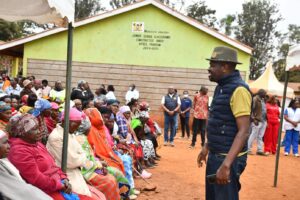
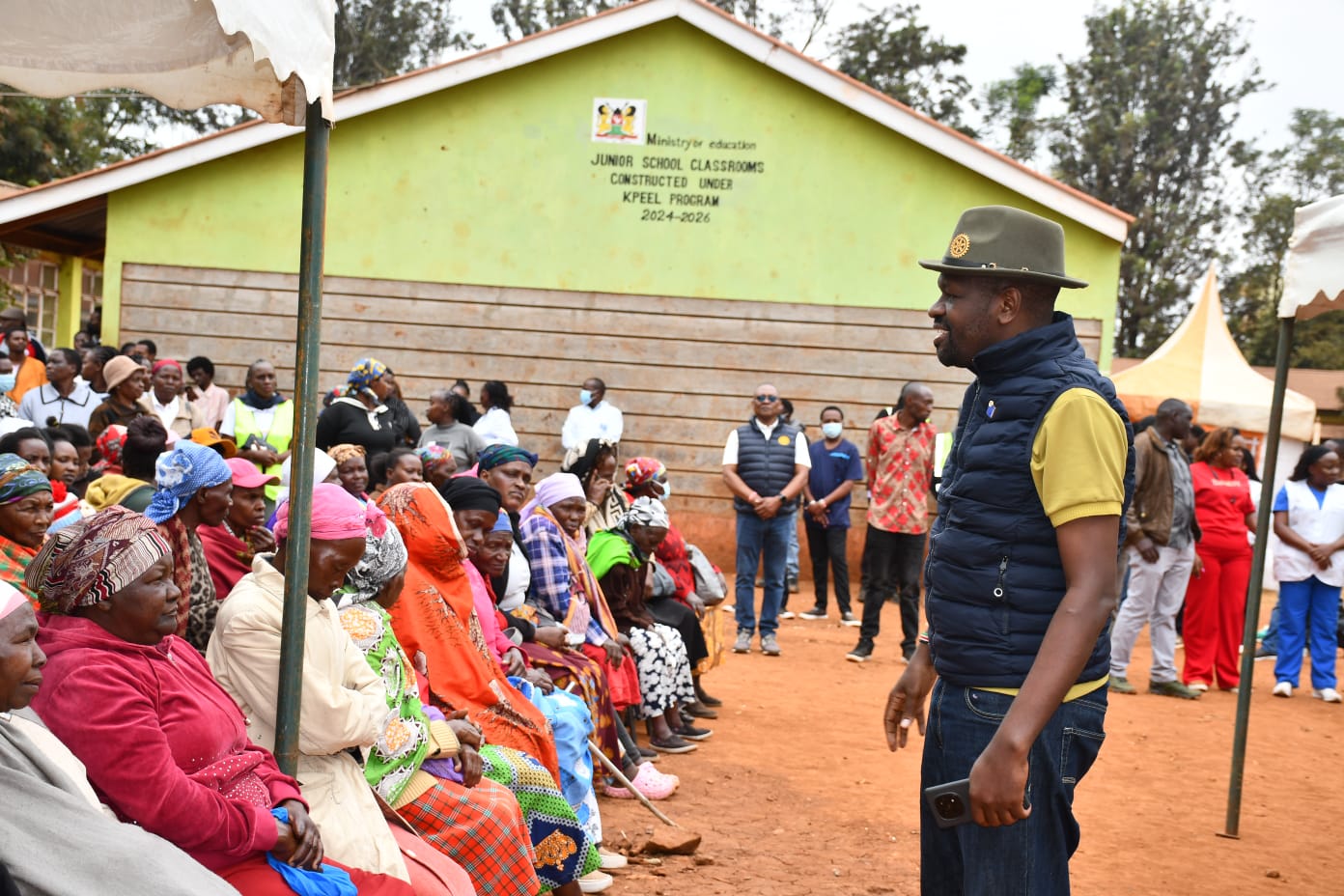
The women spoke of harassment, humiliation and economic hardship during a Rotary-led free medical camp at Mugumo-ini Primary School, where about 2,500 widows received medical and psychosocial services.
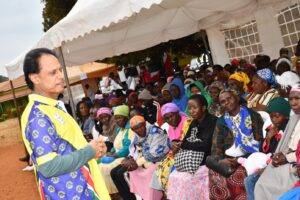
Their accounts have renewed calls for stronger community and government intervention to protect widows from exploitation and help them rebuild their lives after losing their spouses.
One widow said she was chased away from her matrimonial home despite having four children to raise.
“I was married and had four children, and I was chased away from my home,” she said, describing the experience as one of the many struggles confronting widows.
Another said many women are trapped in a cycle of poverty, unable to meet basic household expenses after becoming the sole providers for their families.
“We lack food, we are unable to pay rent and we are unable to educate our children,” she said.
The women said some widows face particular difficulties when relatives move in to claim property left by deceased husbands, leaving them and their children vulnerable to homelessness and poverty.
The speakers at the event challenged Kenyans to stop treating widows as helpless members of society and instead recognise and protect their rights to property, dignity and economic security.
They called for the creation of targeted funds to enable widows to start businesses and other income-generating ventures, arguing that financial independence would reduce their vulnerability to exploitation.
The concerns emerged as the Rotary Club of Nairobi Metropolitan and its partners took healthcare services directly to the widows.
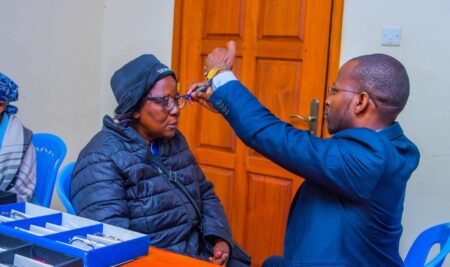
The Saturday camp offered free general medical consultations, cancer screening, dental and optical services, diabetes and hypertension screening, physiotherapy, nutritional services, HIV testing and counselling.
Beneficiaries also received health education, psychosocial counselling and access to a blood donation drive.
Rotary Club of Nairobi Metropolitan president Arthur Kinyanjui said the initiative was part of the organisation’s commitment to serving vulnerable communities and would not end with the medical camp.
“We will continue to work with them, starting from the report we get from the doctors. We will see how we can continue to support them,” Mr Kinyanjui said.
He said Rotary would consider extending similar interventions to widows in other areas, depending on the needs identified through the exercise.
“We are looking at how we can join hands to move forward so that we are not left behind, as the current situation is difficult,” he said.
Mr Kinyanjui said the initiative reflected Rotary’s philosophy of “Service Above Self”, with the organisation seeking to combine healthcare with longer-term community support.
The camp was organised in partnership with Thika Nursing Home Hospital and supported by Rotary and Rotaract clubs from Nairobi, Kiambu and neighbouring counties.
The participating clubs included Rotary clubs from Muthaiga North, Nairobi Celebrate, Nairobi Thika Road, Nairobi Ridgeways, Northlands Bustani, Juja, Thika, Ruiru, Limuru and E-Club Safari.
Rotaract clubs from KCA University, Mount Kenya University, TTT, Thika and Jomo Kenyatta University of Agriculture and Technology also took part.
The scale of the turnout underscored the demand for affordable healthcare among vulnerable families, with organisers saying the exercise would also help identify beneficiaries requiring follow-up support.
But speakers warned that medical intervention alone would not address the challenges facing widows.
They called for a broader response covering legal assistance, succession and inheritance awareness, economic empowerment, psychosocial support and access to healthcare.
Community leaders and well-wishers were urged to intervene when widows face attempts to dispossess them of property, particularly during the emotionally difficult period immediately after the death of a husband.
Speakers also urged families to protect children of deceased parents from losing their inheritance through disputes or unlawful appropriation of family assets.
For many of the women at Mugumo-ini, the free medical services offered relief for a day. But their testimonies highlighted a much bigger battle — securing a safe home, an income and a future for their children after the loss of a spouse.
The Rotary initiative, organisers said, is intended to be a starting point for a wider conversation on how communities can ensure widows are not left behind.
“Everyone deserves to live with dignity and good health,” the organisers said, stressing that healthier and economically secure families are better placed to contribute to their communities.