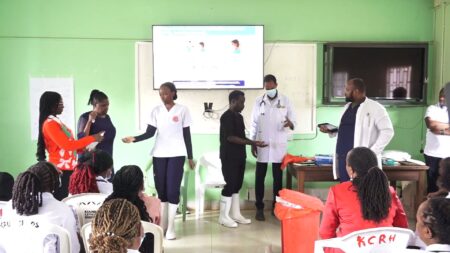





Regular screening for cancer has shown higher chances of survival among patients diagnosed at early stages, according to health experts.
Medical experts say early detection gives patients better chances of receiving effective treatment, unlike those diagnosed at advanced stages when treatment becomes more difficult or complicated.
As a result, Kenyans have been urged to seek medical attention promptly to improve treatment outcomes as the country marked the cancer awareness month commemorated in October every year.
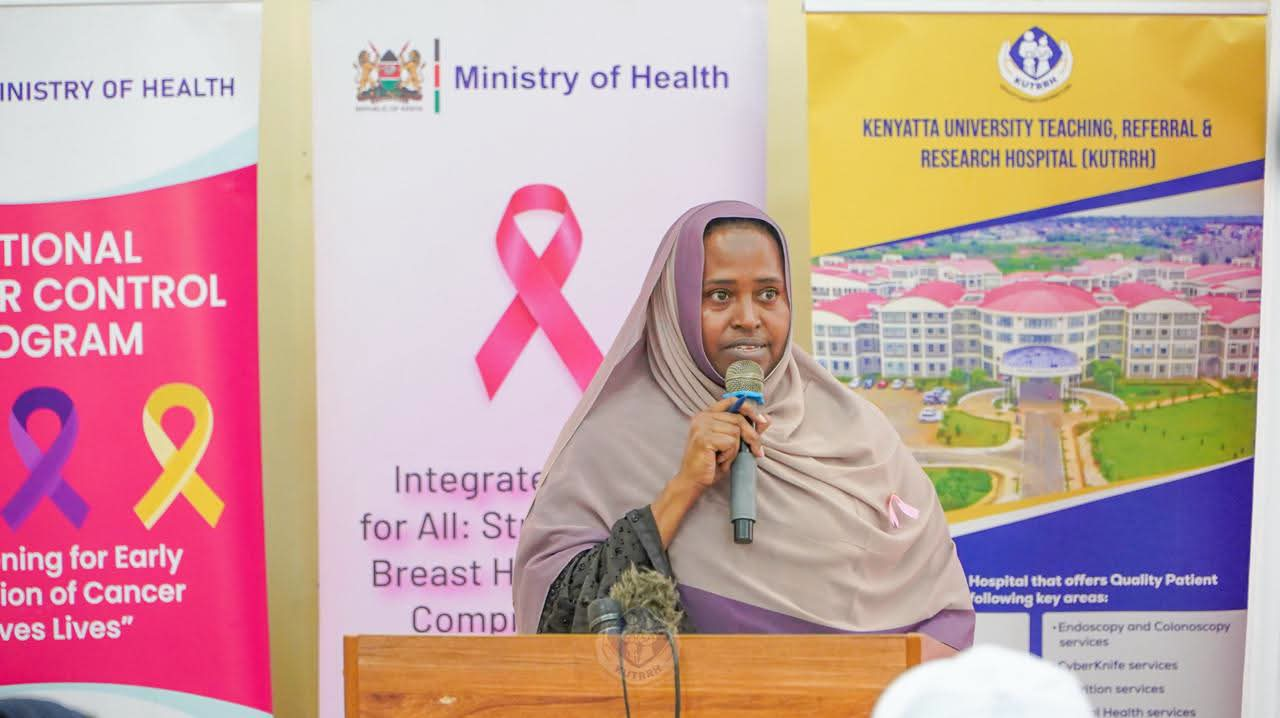
Kenyatta University Teaching, Referral and Research Hospital (KUTRRH) Chief Executive Officer Dr Zeinab Gura said increased awareness, timely diagnosis and access to appropriate treatment have proved critical in reducing cancer-related deaths.
Speaking during the commemoration of Breast Cancer Awareness Month 2026 and the launch of the National Cancer Treatment Guidelines at KUTRRH, she said breast cancer accounts for about 25 per cent of all cases diagnosed among women and remains a leading cause of deaths associated with the killer disease.
Dr Gura divulged that KUTRRH is working towards establishing a dedicated liver centre to improve patient management and generate data to support research and better treatment results.
The CEO said KUTRRH was strengthening breast cancer services through its Comprehensive Breast Care Centre, which provides screening, diagnosis and treatment planning.
She called for stronger referral systems, adequate medicines and modern technologies to improve care.
The official also urged county governments and other stakeholders to expand screening and ensure patients receive timely treatment, saying coordinated action was essential in making quality cancer care accessible to all Kenyans.
Meanwhile, Dr Abdirahman Hargura a consultant surgeon at KUTRRH, warned that liver cancer remained a silent killer, with many patients seeking medical attention only after the disease had advanced.
He said liver cancer was the 16th most common type of cancer in Kenya, with risk factors including excessive alcohol consumption, hepatitis B and C infections, and liver cirrhosis.
Dr Hargura expressed concern that some patients, particularly young men, were presenting with liver masses measuring up to 20 centimetres, highlighting gaps in early diagnosis and access to specialised care.
He said treatment remained inaccessible to many patients, calling for the establishment of a centre of excellence where patients could access screening, diagnosis, specialised treatment and follow-up services.
At the same time, cancer survivors Lucy Njeri, Connie and Agnes Ndungu called for increased awareness, enhanced access to treatment and greater support for patients.
They urged Kenyans to seek treatment locally, saying the country had facilities and specialists capable of managing many cancers.
They also cited limited healthcare access and inadequate knowledge of symptoms and screening as contributors to late diagnosis.
Njeri who disclosed that she had lived with cancer for 10 years, encouraged patients to explore treatment options available locally, including services covered by the Social Health Authority (SHA).