


The Rotary Club of Ruiru has stepped up efforts to promote access to water, environmental conservation and mentorship in schools after donating water storage tanks and distributing thousands of seedballs to three secondary schools in Kiambu County.
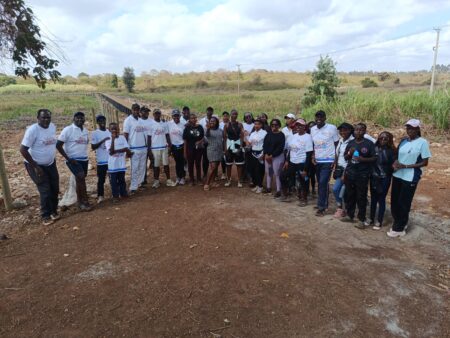
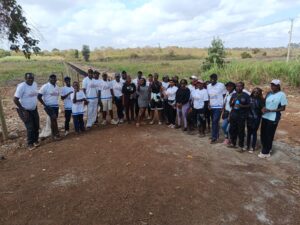
The initiative brought together 76 participants drawn from Rotary clubs, Rotaract and Interact clubs, alongside friends of Rotary, in a community service exercise that combined practical support for schools with environmental education and youth mentorship.
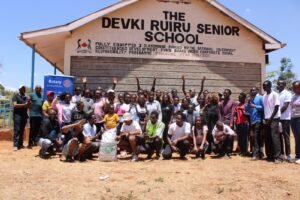
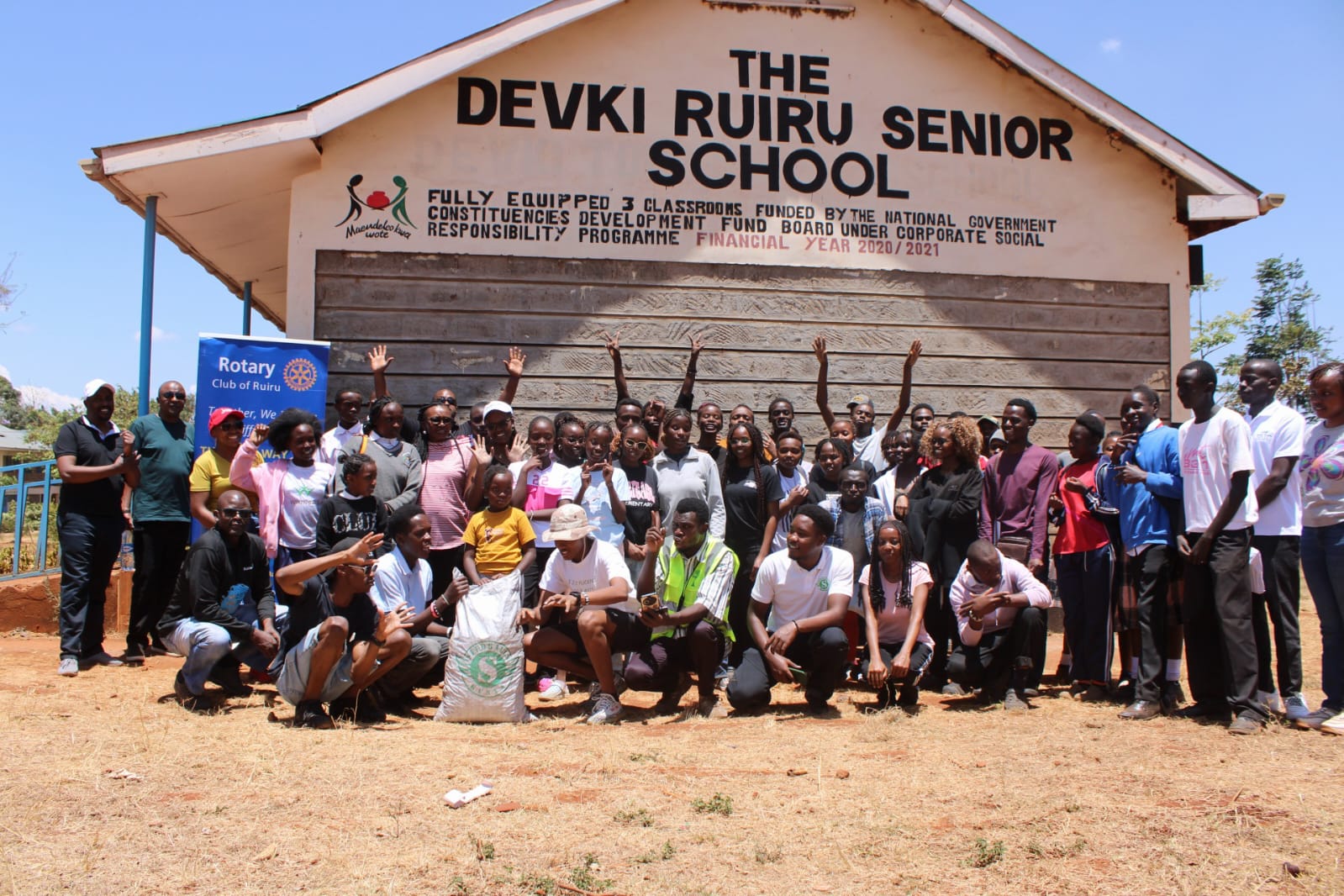
Devki Senior School, Spinners Boys Secondary School and Gitothua Senior School were the beneficiaries of the Water, Sanitation and Environmental Conservation project, with each institution receiving a 100 litre water storage tank.
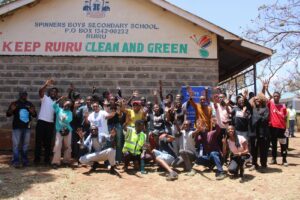
The donations were aimed at supporting water availability and reinforcing the importance of proper sanitation and hygiene in learning institutions.
Beyond the provision of water storage facilities, the initiative sought to instil a culture of environmental responsibility among learners and teachers, while strengthening partnerships between schools and community organisations.
The project also underscored the role of community led initiatives in complementing efforts to create healthier learning environments and promote sustainable management of natural resources.
In a major environmental conservation component of the exercise, the Rotary Club of Ruiru led by president Joan Muthui partnered with Seedballs Kenya to distribute and plant approximately 9,200 seedballs across the three schools.
Some of the seedballs were also given to teachers to extend the initiative beyond school compounds and encourage continued participation in environmental conservation.
The seedballs are intended to support tree establishment and contribute to greener surroundings, soil protection and the restoration of natural ecosystems.
By involving learners and teachers in the exercise, organisers sought to make environmental conservation a practical learning experience rather than an abstract concept taught in classrooms.
The initiative also provided an opportunity to encourage young people to appreciate the relationship between healthy ecosystems, sustainable development and the wellbeing of their communities.
Environmental education in schools can help nurture a generation that understands the importance of protecting natural resources and taking responsibility for the environment.
Through the project, the Rotary Club of Ruiru sought to demonstrate how modest, community driven interventions can contribute to broader environmental goals when supported by partnerships and sustained public participation.
The donation of water tanks was another key component of the project, reflecting the importance of reliable water storage in maintaining hygiene and sanitation in schools.
Adequate access to water supports handwashing, cleaning and other daily sanitation practices that are essential for healthier school environments.
Although each school received a 100 litre tank, the donations were intended to complement existing water arrangements rather than independently resolve all water needs at the institutions.
The exercise also provided an opportunity to reinforce awareness of water conservation and the need for responsible use of available supplies.
For schools, water and sanitation facilities are an important part of creating an environment in which learners can concentrate on their studies while observing basic hygiene practices.
The project therefore combined an immediate practical intervention with a broader message about the need for communities to invest in environmental protection and public health.
Muthui said the exercise was also designed to strengthen relationships among Rotarians, Rotaractors and Interactors, bringing together members of different generations through a shared commitment to service.
Participants engaged in tree planting, team building games and other activities that encouraged interaction, collaboration and learning beyond formal organisational structures.
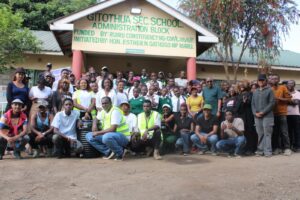
The involvement of young people provided an opportunity for mentorship and leadership development, with experienced Rotarians working alongside emerging leaders in a practical community service setting.
The activities highlighted the value of creating spaces where young people can learn from experienced members while contributing their own ideas, energy and skills to community initiatives.
The gathering also sought to reinforce the idea that service is not limited to donations or formal projects, but includes building relationships, nurturing leadership and encouraging collective responsibility.
A shared meal at the end of the exercise brought the participants together to celebrate their work and strengthen the friendships developed during the day.
“The social aspect of the event was an important part of sustaining engagement, fostering a sense of belonging and encouraging continued participation in future service projects,” she said.
The initiative attracted support from Rotarians representing the Westlands, Nairobi North, Industrial Area, Limuru, Nairobi Thika Road, Northlands Bustani, Muthaiga and Nairobi Metropolitan clubs.
Rotaractors from Zetech Ruiru, Zetech Mang’u, Ruiru Community Based Organisation, Thika, Jomo Kenyatta University of Agriculture and Technology (JKUAT) and Gigiri also participated.
The involvement of the different clubs and youth groups demonstrated the potential of partnerships in mobilising people and resources for community-focused programmes.
Seedballs Kenya was recognised for its partnership in the environmental conservation component, while the participating schools and other supporters were commended for helping make the exercise possible.
Muthui expressed appreciation to all the Rotarians, Rotaractors, Interactors and friends of Rotary who took part in the initiative, saying their participation had helped combine environmental action, school support and mentorship in one programme.
The project delivered several immediate outcomes, including water storage tanks for three schools, the distribution and planting of approximately 9,200 seedballs, and opportunities to strengthen environmental awareness among learners and teachers.
It also created a platform for intergenerational mentorship and collaboration among community service organisations.
However, the long term impact of the initiative will depend on continued care of planted seeds and seedlings, responsible use of the donated tanks and sustained engagement between the participating schools and community partners.
The exercise reflects a broader approach to community service in which practical assistance is combined with education, environmental responsibility and the development of relationships that can support future interventions.
For the Rotary Club of Ruiru, the success of the initiative lies not only in the materials donated or the number of seedballs distributed, but also in the awareness created and the spirit of cooperation fostered among participants.
Muthui said bringing people together around a common purpose remained central to building stronger communities and encouraging individuals to take responsibility for the environment and the wellbeing of others.
As the participants returned to their respective institutions and communities, the message from the exercise was clear that meaningful change can begin with simple actions when people are willing to work together.