


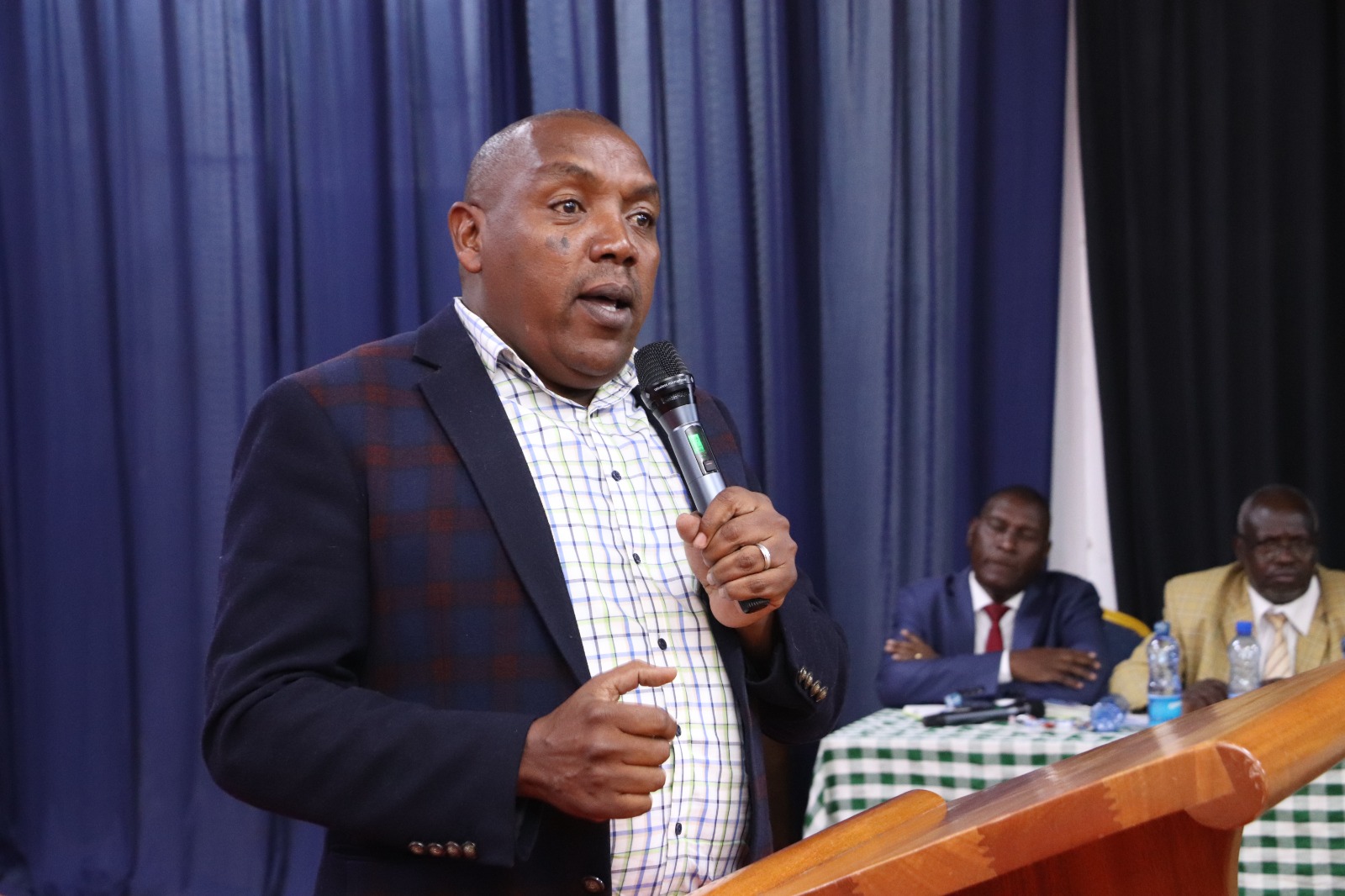
A political storm is brewing in Kiambu following last weekend’s solemn assembly of Mount Kenya elders at Kirigiti Stadium, with some local leaders questioning the involvement of the host community in a gathering that culminated in the endorsement of Deputy President Kithure Kindiki as the region’s political spokesman.
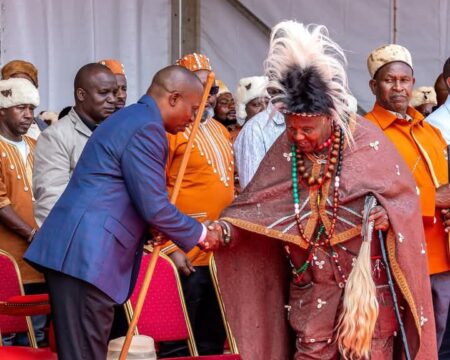
The ceremony brought together elders representing the Kikuyu, Meru, Embu and Mbeere communities in an event presented by organisers as an attempt to strengthen unity within the wider Mount Kenya region.
However, the gathering has drawn criticism from sections of Kiambu, with some leaders arguing that the symbolic event should have involved more local elders, residents and elected representatives, particularly because it was held at the historic Kirigiti grounds.
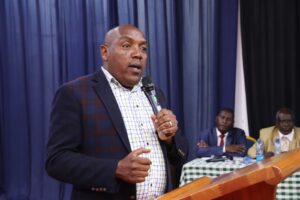
Riabai MCA Hezron Gachui, whose ward hosts the stadium, questioned why local leaders and residents were allegedly not adequately involved in an event that was billed as a regional undertaking.
“Kirigiti Stadium has for so long been under lock and our residents do not have access, yet elders were ferried to the stadium for a ceremony that did not involve our county elders. This is not the unity that we all want for the mountain. It is selective,” Mr Gachui said during a public engagement.
The MCA, who is seeking to become the MP for Kiambu Town Constituency in the 2027 General Election, said the manner in which the ceremony was organised risked creating resentment among residents of the host area.
“Where is the respect if it is unity that we are fostering? Coming to our home unannounced just because you hold power is not the way to build unity,” he said.
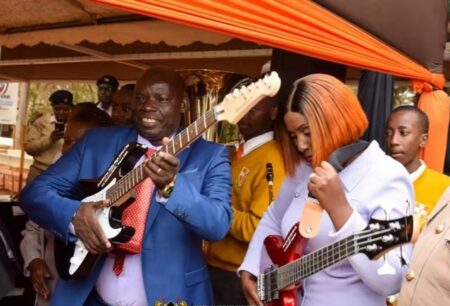
Mr Gachui said residents watched buses arrive at the stadium carrying people dressed in traditional regalia before learning that the Deputy President would attend the event.
He also criticised Kiambu leaders who attended the gathering or remained silent, arguing that elected representatives had a responsibility to respond to concerns raised by their constituents.
The criticism adds a local dimension to an increasingly contested debate over political leadership and unity in the Mount Kenya region ahead of the 2027 General Election.
At the Kirigiti gathering, elders declared their commitment to preserving unity among the communities of the region and endorsed Prof Kindiki as their spokesperson and representative.
They also called for peaceful political engagement and cautioned against ethnic divisions, with the event portrayed as an effort to bridge differences between Mount Kenya East and West.
Public Service Cabinet Secretary Geoffrey Ruku said the elders had agreed to move forward as one undivided Mount Kenya region.
But Mr Gachui argued that residents were more concerned about economic and social challenges than political endorsements and traditional ceremonies.
“We have a problem with Linda Mama not working, SHA not working, dilapidated roads, high taxation and unemployment. Everybody is complaining over this or that with this government. Endorsement traditional ceremonies are the least of our worries,” he said.
He challenged leaders to focus on issues affecting residents, including healthcare, roads, employment and the cost of living.
The MCA also turned the spotlight on the unfinished business surrounding Kirigiti Stadium, saying the facility had remained inaccessible to local residents since its closure for construction in 2018.
He said the prolonged closure had affected local sporting activities and denied young people a critical platform for nurturing talent.
“I am rooting for my local football teams since they were left without a playing field since Kirigiti Stadium was closed for construction,” he said.
According to Mr Gachui, the stadium could have become an important asset for Kiambu had it been completed and formally handed over to the county.
“Enough ceremonies. Kirigiti Stadium has never been formally handed over to Kiambu County despite its completion.”
The remarks have shifted part of the debate from the political symbolism of the elders’ declaration to the development concerns surrounding the venue that hosted the gathering.
Mr Gachui also invoked former President Uhuru Kenyatta, saying he remained an important political reference point for many people in Kiambu.
“We know Uhuru Kenyatta as our leader until otherwise and we will follow his wise counsel,” he said.
The criticism comes as leaders and political actors from across Mount Kenya seek to consolidate support around competing visions of the region’s political future.
The Kirigiti assembly was significant because it brought together elders from communities that have historically shared cultural and political ties but have increasingly experienced differences over political alliances and leadership.
Prof Kindiki has defended the endorsement and challenged politicians questioning the authority of the elders to address their concerns directly to them.
Speaking in Tharaka on Monday, the Deputy President said thousands of elders from different clans had participated in the Kirigiti gathering.
“Thirty thousand elders from different clans in Mt Kenya came to Kirigiti,” Prof Kindiki said, according to a report on his remarks, challenging those opposed to the decision to take their concerns to the elders.
The Deputy President has maintained that the gathering was intended to promote unity rather than create divisions within the region.
At the ceremony, elders from the Kikuyu, Embu, Mbeere and Meru communities said they wanted to preserve the historical and cultural ties binding the communities together and resist attempts to divide the region into competing political blocs.
But the criticism from Kiambu has exposed the delicate balance between regional political symbolism and local expectations.
For residents around Kirigiti, the debate is also about the future of a stadium that has remained largely inaccessible to them, while for regional political actors, the gathering represents a broader effort to establish a common voice ahead of the 2027 elections.
The emerging contest, therefore, may not only be about who speaks for Mount Kenya, but also about whether the region’s political unity can accommodate divergent views from its constituent counties and communities.