




Airtel Africa and SpaceX’s Starlink have launched a commercial satellite-to-mobile service in the Democratic Republic of Congo (DRC), marking a major breakthrough in efforts to extend mobile connectivity to areas beyond the reach of conventional terrestrial networks.
The DRC becomes the first Airtel Africa market—and the first country on the continent—to move Starlink Mobile from testing to commercial deployment.
The service allows Airtel customers with compatible smartphones to connect in areas without terrestrial mobile coverage, provided they have a clear view of the sky.
The development is expected to transform communications in remote and hard-to-reach parts of the vast Central African country, where geography and limited infrastructure have left many communities outside reliable mobile coverage.
Starlink, which operates the world’s largest satellite-to-mobile constellation, currently has about 650 satellites launched for the service. The technology supports light-data applications, including WhatsApp messaging and SMS, without requiring customers to buy satellite dishes, specialised equipment or separate devices.
The launch follows the strategic partnership between Airtel Africa and Starlink announced in December 2025.
It also builds on successful testing of Starlink Mobile data and messaging services in Kenya in March 2026, demonstrating the potential of satellite technology to complement conventional mobile networks across Airtel’s African markets.
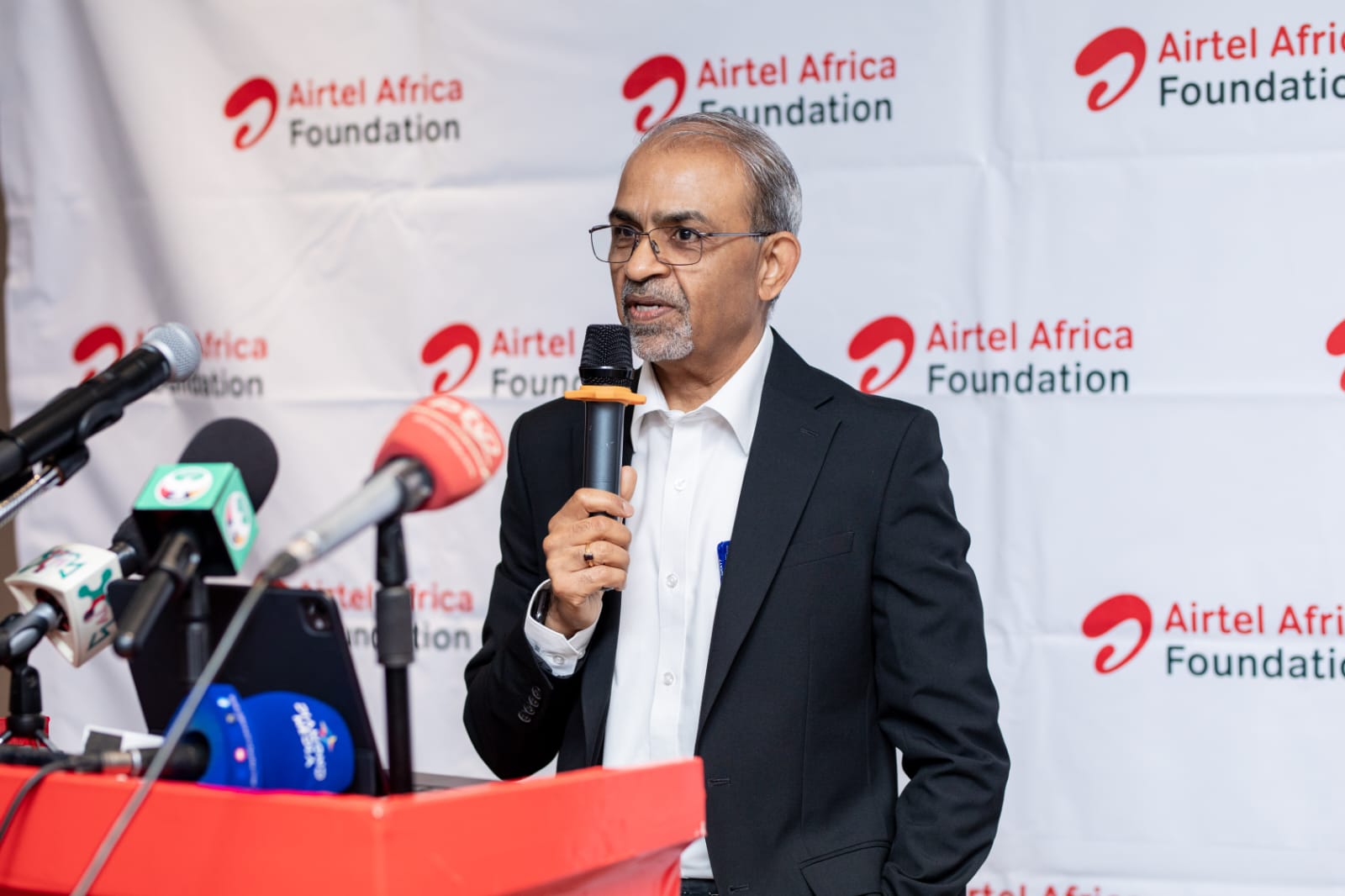
Airtel Africa chief executive Sunil Taldar said the DRC launch represented a major milestone in the company’s partnership with SpaceX and its efforts to extend connectivity beyond the limits of terrestrial infrastructure.
“The first-ever commercial launch of Starlink Mobile in Africa is a significant milestone for Airtel Africa through our partnership with SpaceX,” Mr Taldar said.
He said combining Airtel’s terrestrial network with Starlink’s satellite technology would help extend essential connectivity to areas that conventional infrastructure cannot adequately serve.
“The DRC is leading this important development, and the experience gained here will support the progressive expansion of the service across our markets, subject to country-specific regulatory approvals,” he added.
For the DRC, the technology could be particularly significant because of the country’s size, difficult terrain and dispersed population.
Airtel DRC managing director Thierry Diasnoma said many people lived, worked and travelled in areas beyond the reach of conventional mobile infrastructure.
“The commercial launch of Starlink Mobile is an important step in extending essential connectivity across the DRC,” Mr Diasnoma said.
He said the service would provide an additional layer of connectivity, enabling customers to remain reachable and access information even where terrestrial networks were unavailable.
The satellite link is expected to be particularly useful to transport and logistics companies, humanitarian organisations, health workers, farmers and mining operators working in remote areas.
Communities located far from conventional mobile towers could also benefit, while emergency responders could use the service to maintain communications during natural disasters, temporary network failures and other emergencies.
Unlike traditional satellite communications, users do not need a dedicated satellite phone or specialised terminal.
To access the service, customers need a compatible LTE Android smartphone, an active Airtel DRC data bundle or data roaming switched on.
Apple devices are expected to be supported as the service develops.
Airtel is also offering eligible customers an introductory 30-day free trial. Customers can register through the MyAirtel App to access the service during the trial period.
Travellers entering the DRC and joining Airtel DRC can also register for the trial after activating an eligible service and downloading the MyAirtel App.
After the introductory period, customers will access Starlink Mobile through eligible Airtel data bundles.
The companies said the service would continue to evolve, with additional capabilities expected as the technology advances and regulatory approvals are secured in individual countries.
The commercial deployment is also a significant step in Africa’s broader digital-connectivity push, as telecommunications operators increasingly explore satellite technology to complement terrestrial networks.
For Airtel Africa, the DRC launch strengthens its reputation as an early adopter of technologies aimed at closing the continent’s digital divide.
The company is expected to use lessons from the DRC deployment as it assesses the expansion of satellite-to-mobile connectivity to other African markets, subject to regulatory clearance.
The development comes at a time when African governments and telecommunications operators are under increasing pressure to extend affordable and reliable connectivity to rural and underserved populations.
Satellite-to-mobile technology offers a potential solution by allowing existing mobile phones to connect directly to satellites, reducing dependence on the construction of extensive terrestrial infrastructure in areas where building mobile towers is difficult or commercially challenging.
For millions of people living and working in Africa’s remote regions, the technology could therefore provide a new route to basic digital communication, emergency services and access to information.