





The Kiambu County Assembly has approved the Early Childhood Development Education (ECDE) Bill 2025, a landmark piece of legislation sponsored by Francis Koina, paving the way for a comprehensive legal framework to regulate and improve early childhood education across the county.
The Bill, which was passed during a special sitting of the Assembly, now awaits assent by Governor Kimani Wamatangi before becoming law.
The proposed legislation seeks to establish clear guidelines for the management, regulation and development of ECDE services in both public and private institutions throughout the county. It also aims to improve access to quality early childhood education, strengthen teacher welfare, standardize capitation and protect the rights and welfare of children enrolled in ECDE centres.
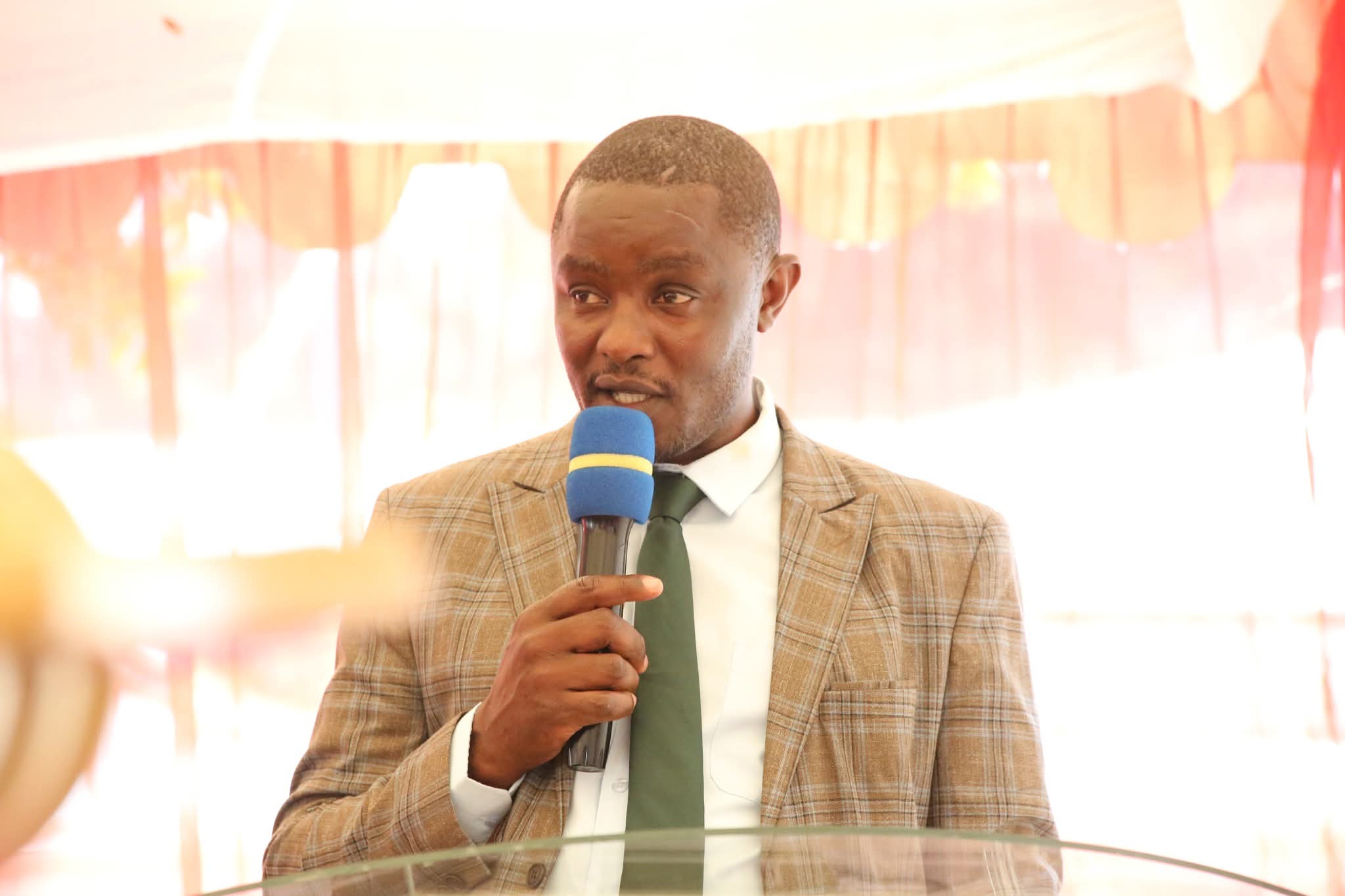
Speaking after the Bill’s passage, Koina expressed gratitude to Members of the County Assembly, the Department of Education and other stakeholders who supported the legislation throughout its lengthy process.
“Today I am very grateful for the ECDE Bill, which has taken me more than two and a half years. We have walked a long journey with the Department of Education and relevant stakeholders,” said Koina.
He noted that the Bill underwent extensive public participation involving education stakeholders, civil society organizations and community groups, including Bunge Mashinani, whose recommendations were incorporated into the final document.
According to Koina, the new law introduces regulations governing the establishment and operation of ECDE centres, ensuring that all institutions meet required standards before being licensed to operate.
“The Bill is there mostly to regulate how ECDE education is run both in public and private institutions. Anyone wishing to establish an ECDE centre will now have to do so under the new law,” he said.
The Kiambu Township MCA said the legislation also focuses heavily on the welfare of ECDE teachers and non-teaching staff, while ensuring children receive quality education and proper nutrition.
He highlighted the county’s ongoing school feeding programme, which currently provides porridge, milk and eggs to ECDE learners, saying the Bill mandates nutritionists to ensure the meals meet the dietary requirements necessary for children’s growth and development.
“Under the leadership of Governor Wamatangi, we have been able to provide nutritious food to children in ECDE centres. The nutrition department will ensure whatever we feed our children meets all the required standards,” Koina added.
The law further provides for improved learning infrastructure and facilities in ECDE centres, including playgrounds, swings and adequate classrooms for PP1 and PP2 learners. Koina said the county has also been supplying exercise books and pencils to learners to support free and compulsory pre-primary education.
He observed that the improvement of ECDE facilities had already led to increased enrolment in public institutions, with many parents shifting their children from private schools to county-run ECDE centres.
“Most parents previously preferred private schools, but today our public ECDE centres have quality classrooms, playing grounds and learning materials, which are attracting more learners,” he said.
The legislation also establishes Boards of Management for ECDE centres to oversee operations and ensure the needs of learners are properly addressed. In addition, it creates a capitation framework under the County Revenue Fund to standardize financial support allocated per learner.
Another major provision in the Bill is the establishment of an independent tribunal to handle disputes and incidents arising in ECDE institutions, including matters affecting children, teachers and staff.
Koina described the legislation as one of the most comprehensive ECDE laws enacted by any county government in Kenya, noting that early childhood education is a fully devolved function under the Constitution.
During debate on the floor of the Assembly, Members praised the Bill as a significant step toward improving the quality and management of ECDE services in Kiambu County.

Ting’ang’a ward MCA Lawrence Mwaura, who moved the motion, said the County had previously relied on national government guidelines that did not adequately address local needs.
“We have achieved greatly on ECDEs so far. The County has been using frameworks from the national government which at times are not in sync with the intended county programmes,” Mwaura said.
He added that the Bill adequately addresses key concerns including teacher employment, feeding programmes and capitation.
Riabai ward MCA Hezron Gachui said the legislation complements ongoing ECDE infrastructure development projects being undertaken by the county government.
Members also raised concerns over insecurity in ECDE centres and called for increased budgetary allocation to enhance safety for learners.
Karuri ward MCA Peter Wainaina noted that parents have largely borne the burden of providing security in ECDE institutions and urged the County Government to allocate more funds toward the sector.
MCAs further emphasized the need for the County Government to secure ownership of land hosting ECDE centres to prevent future disputes with neighbouring institutions and other stakeholders.
Koina thanked fellow MCAs and the relevant Assembly committees for supporting the Bill, saying Kiambu County had for years operated without a comprehensive legal structure governing ECDE services.
He assured the Assembly that critical issues touching on teacher welfare, capitation, infrastructure and security had been comprehensively addressed before the Bill was tabled for debate.
The legislation now awaits Governor Wamatangi’s assent before it officially becomes law and begins guiding the implementation and management of ECDE services across Kiambu County.