
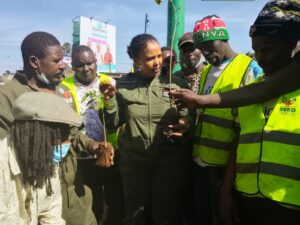




The Mt. Kenya region has long battled a rampant illicit brew and substance abuse crisis, which has devastated communities and claimed the lives of numerous young men and women. In response to the growing public health and safety threat, Deputy President Kithure Kindiki recently announced that he would personally lead the government’s campaign to dismantle illicit liquor and drug networks across the country.
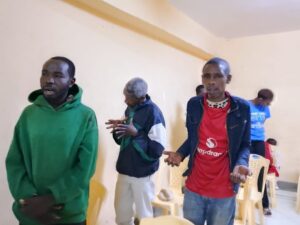
Church leaders from Kiambu County have warmly welcomed Deputy President Kithure Kindiki’s commitment to lead the national campaign against illicit alcohol and drug abuse, describing the government’s intervention as both crucial and timely.
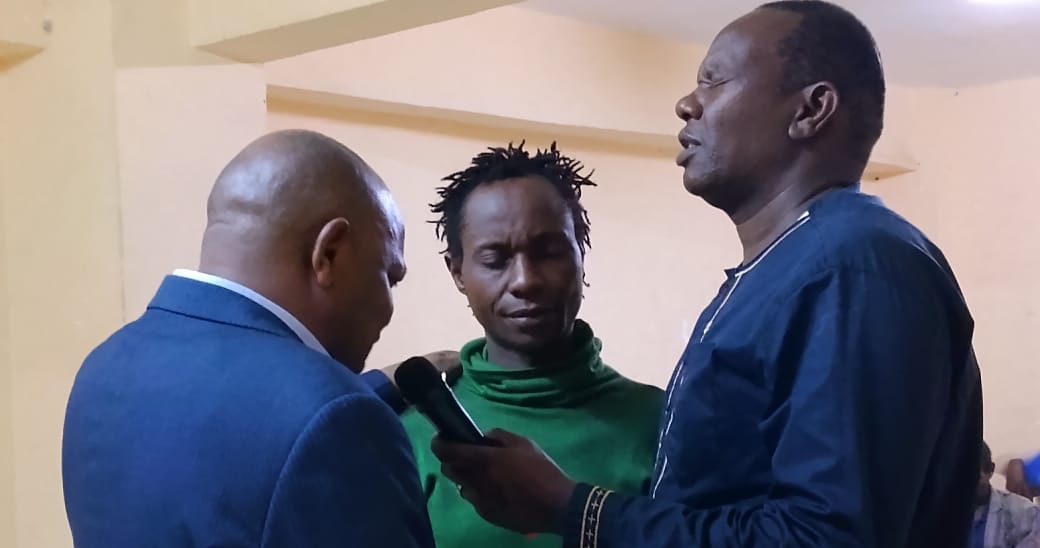
Speaking to his congregation on sunday in Kiambu Town Pastor Godfrey Kagondu of Mephibosheth Ministries— also known as the Arch of Valley, an organization that provides spiritual guidance and counseling to recovering addicts—expressed strong confidence in the initiative. He emphasized that direct government leadership under the Deputy President holds the necessary weight to eradicate the deadly trade.
Pastor Kagondu affirmed that the clergy is ready to partner with the Deputy President to ensure the crackdown succeeds. He added that religious leaders would stand by DP Kindiki to shield him from political and social fallout, noting that wealthy illicit alcohol cartels often wield significant influence within powerful political and business circles.
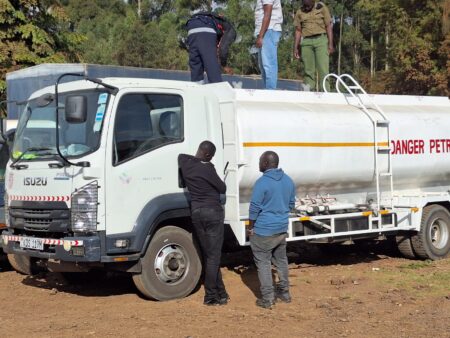
Highlighting the tactics used by local syndicates, the cleric revealed that unscrupulous business operators are illegally diverting ethanol—intended for industrial chemical production and medical supplies—into local distilleries to manufacture dangerous illicit liquor. He pointed to a recent incident in Lari where security officers intercepted a 10,000-liter ethanol tanker before its contents could reach illegal manufacturers.
While commending the police for their swift action in Lari, Pastor Kagondu urged regulatory agencies, including the Kenya Bureau of Standards (KEBS) and the National Authority for the Campaign Against Alcohol and Drug Abuse (NACADA), to tighten enforcement and seal existing loopholes.
“Just imagine how many thousands of liters of lethal alcohol would have flooded our streets had that tanker not been intercepted,” Kagondu remarked.
Furthermore, the clergy called on law enforcement agencies to expand their investigations beyond low-level workers and drivers. They urged authorities to track down the supply chains, destinations, and true masterminds financing and directing the illicit trade.