




Githunguri Dairy Farmers Co-operative Society Limited, the producer of Fresha milk products, has recorded growth in milk deliveries and annual turnover, even as drought, livestock diseases and rising production costs continue to squeeze dairy farmers.
The society increased its annual milk intake from 91 million litres to 97 million litres, while turnover rose from Sh10.4 billion to approximately Sh11.4 billion, chairman John Ndichu announced during the 2026 Annual General Meeting held at Kanjai Primary School in Githunguri, Kiambu County.

The growth reflects sustained milk deliveries by farmers and the society’s investments in farmer training, market development and value addition, despite mounting pressure on the cost of producing milk.
Mr Ndichu attributed the improved performance to the resilience of dairy farmers, who have maintained supplies despite challenges affecting animal health, feed availability and productivity.
He said the society was also exploring partnerships with other dairy co-operatives and milk aggregators to expand its raw milk supply, increase factory utilisation and strengthen returns to its shareholders.
“We have continued to invest in farmer training and look for new markets. The increase in milk intake is largely a result of our farmers’ consistency in delivering milk to the society,” he said.
However, he warned that the sector faced significant challenges that could undermine further growth unless the government intervened to lower production costs and strengthen disease control measures.
The chairman identified foot and mouth disease (FMD) and lumpy skin disease (LSD) as major threats to dairy farming within the society’s catchment area, saying the outbreaks had affected farmers’ productivity.
He commended the Kiambu County Government for working with the society on livestock vaccination and preventive measures, but called for sustained efforts to contain the diseases.
The society is also concerned about the effects of prolonged dry conditions, which have reduced the availability of pasture and increased the cost of feeding dairy cattle.
Mr Ndichu said the drought had left some farmers unable to provide their cows with adequate feed, resulting in reduced milk production at a time when demand for dairy products remained strong.
The decline in supplies has contributed to a shortage of milk in the market and a sharp rise in retail prices, placing additional pressure on consumers.
He said the society was working with the county government and security agencies to strengthen vaccination campaigns and control the movement of livestock to limit the spread of disease.
The interventions, he added, were necessary to protect existing dairy herds, restore production and safeguard the livelihoods of farmers who depend on milk sales.
Mr Ndichu urged the national government and policymakers to review taxes and other levies that have pushed up the cost of dairy production.
He singled out the high cost of animal feeds, attributing part of the pressure to taxes imposed in countries such as Tanzania and Uganda, which supply some of the raw materials used in feed manufacturing.
He also cited domestic taxation on other production inputs and consumables as an additional burden on dairy farmers and processors.
The chairman called for targeted subsidies, the removal of value added tax on selected inputs and other tax relief measures to make dairy farming more affordable and competitive.
He said lowering the cost of production would enable farmers to improve feeding, maintain healthy herds and increase milk output, while helping processors secure a more reliable supply of raw milk.
The concerns come as dairy farmers contend with the combined effects of expensive inputs, unpredictable weather and livestock diseases, factors that threaten the profitability of smallholder dairy enterprises.
For Githunguri, whose operations depend on consistent milk deliveries from its farmer members, the challenge is to sustain the recent growth while ensuring that the benefits reach producers.
In a strategy aimed at maximising its processing capacity, the society plans to expand milk sourcing beyond its traditional catchment area by partnering with other co-operatives and milk aggregators.
Mr Ndichu clarified that the initiative would not automatically make the participating producers members of Githunguri Dairy Farmers Co-operative Society. Instead, they would supply milk through commercial arrangements.
Under the proposed model, partner co-operatives would sell their milk to Githunguri for processing and value addition, enabling the society to make better use of its existing factory and distribution infrastructure.
He said the factory was currently operating at about 60 per cent of its capacity, with the management targeting utilisation levels of between 80 and 90 per cent.
The expansion is intended to increase production volumes, improve operational efficiency and strengthen the society’s ability to compete in an increasingly competitive dairy market.
Mr Ndichu said other processors were sourcing milk from wider geographical areas, prompting Githunguri to reconsider the limits of its traditional supply network.
He noted that the arrangement would allow the society to obtain additional milk without necessarily expanding its membership base, while offering partner co-operatives access to processing and value addition facilities.
The chairman said the additional business could ultimately benefit existing shareholders through improved dividends and potentially better milk prices, depending on the financial performance of the expanded operations.
“Our farmers will benefit because we will be using their assets to add value to the milk. The returns generated through that value addition will accrue to our farmers,” he said.
The plan places value addition at the centre of the society’s growth strategy, with management seeking to generate greater returns from its processing infrastructure rather than relying solely on milk collected from its established membership.
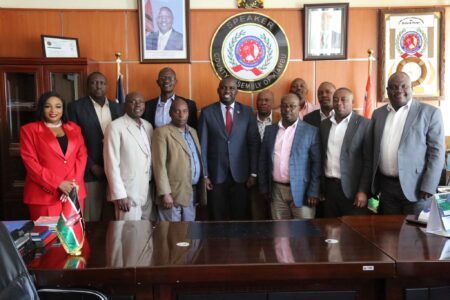
Kiambu County Chief Officer for Co-operatives Peter Ndegwa, who attended the AGM as chief guest, called for greater investment in animal nutrition, vaccination and improved breeding to increase dairy productivity.
Mr Ndegwa said dairy farming had evolved beyond keeping cattle to producing milk through improved feeding systems, better animal husbandry and the adoption of modern agricultural technologies.
He identified the availability and affordability of animal feeds as key priorities, alongside vaccination programmes to protect herds against diseases such as foot and mouth disease.
He also urged farmers to embrace sexed semen technology to improve breeding outcomes and strengthen the genetic quality of their cattle.
The technology enables farmers to increase the likelihood of producing calves of a desired sex, allowing dairy enterprises to plan breeding more strategically and potentially expand productive female herds.
Mr Ndegwa said improved breeds, when supported by proper feeding, veterinary care and sound farm management, could help farmers increase milk production and improve household incomes.
He emphasised the importance of applying scientific knowledge to dairy farming, arguing that better genetics and animal health management would be critical to the sector’s long term growth.
The county government also pledged continued attention to milk handling infrastructure, including a cooler project intended to improve storage and preserve milk quality before transportation to processing facilities and the market.
Mr Ndegwa said the project was being monitored to ensure it was completed and put to effective use, reducing the risk of milk spoilage and losses for farmers.
The investment is expected to support the collection and handling of milk, particularly where inadequate cooling facilities can compromise quality and shorten the period available for transportation and processing.
The discussions at the AGM highlighted the need to balance the society’s commercial expansion with the welfare of its farmer members, whose production decisions directly influence the availability of raw milk.
While higher turnover and increased milk intake point to improved business performance, farmers continue to face pressures from the cost of feeds, disease outbreaks and the effects of adverse weather.
For the society, expanding its sourcing network could help stabilise supplies and increase factory utilisation. However, the sustainability of the strategy will depend on reliable milk volumes, competitive purchasing arrangements and the ability to generate sufficient margins from processed products.
At the same time, improved animal health, better breeding and access to affordable feeds remain central to increasing production at the farm level.
The society’s leadership is therefore seeking a combination of commercial expansion and policy support to protect the gains made during the financial year.
Mr Ndichu said the commitment demonstrated by farmers had been instrumental in the society’s growth, while urging policymakers to address the structural costs that continue to constrain the sector.
Mr Ndegwa, meanwhile, called on farmers to continue investing in productivity and to take advantage of county supported interventions aimed at improving dairy farming.
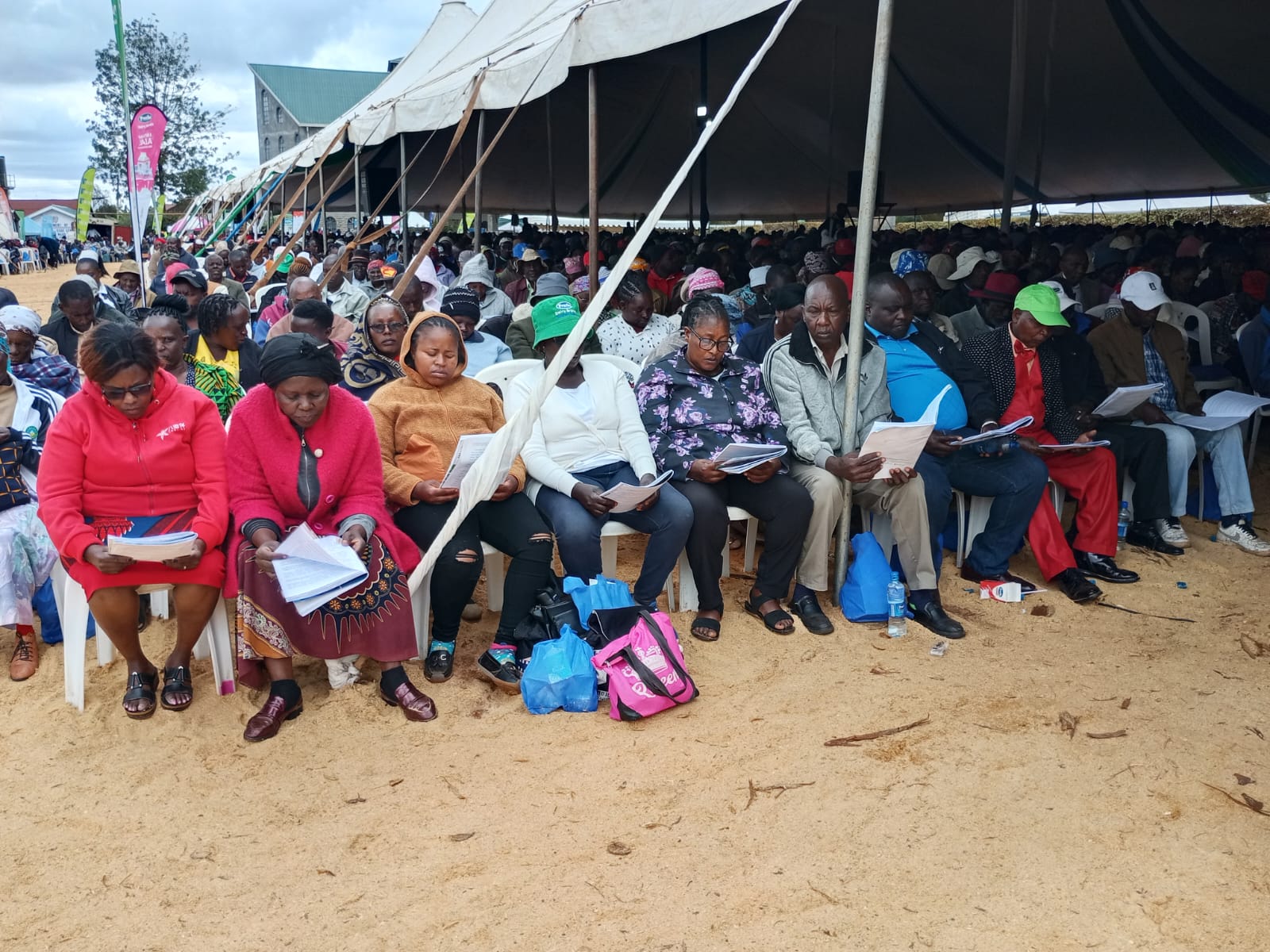
The AGM brought together farmer members and sector stakeholders to review the society’s performance and discuss measures to strengthen production, processing and market access.
For Githunguri Dairy Farmers Co-operative Society, the immediate task is to sustain its growth, secure additional milk supplies and ensure that investments in processing and value addition translate into stronger returns for the farmers who own the enterprise.