


For years, Kenya’s energy landscape has been dominated by a traditional centralized grid system, with Kenya Power and Lighting Company (KPLC) operating as the primary supplier. While grid access expanded significantly across the nation, high tariffs, frequent power outages, and reliance on expensive backup diesel generators created ongoing financial and operational hurdles for households, schools, and local industries.
Recognizing the need for reliable, cost-effective power, off-grid energy providers initially entered the market with basic solar solutions to fill the gap. Companies like SunKing built their foundation on portable solar lanterns, gradually scaling to smaller household systems and light inverters designed primarily for lighting and small electronics.
However, as business operations, schools, and larger residential setups expanded across the country, the demand shifted from basic lighting to high-capacity energy solutions capable of running heavy-duty machinery, commercial kitchen appliances, and industrial equipment. To challenge grid reliance and offer true energy independence, off-grid providers began expanding their product lines into industrial-grade solar power.
In a strategic movement to broaden national energy access, emerging power companies are expanding their reach across Kenya to challenge the long-standing monopoly held by Kenya Power and Lighting Company (KPLC).
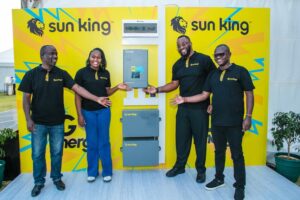
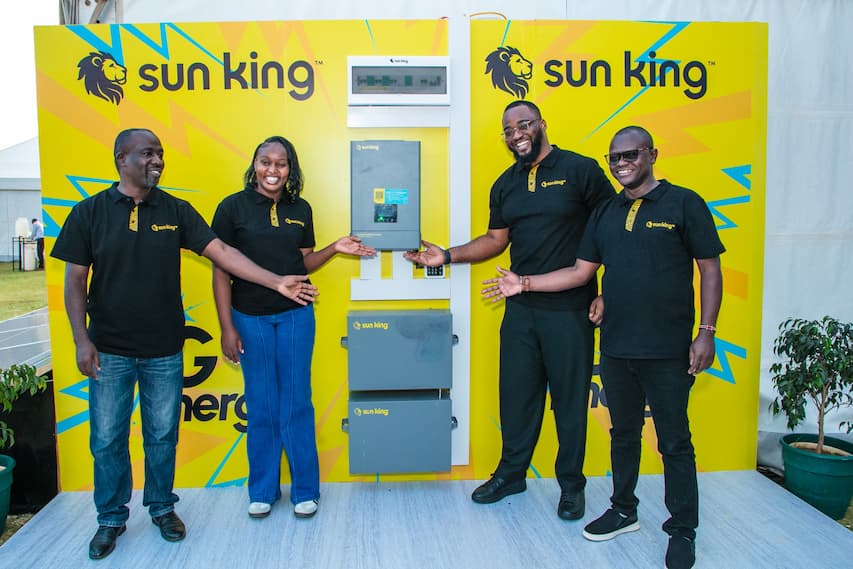
Leading this shift, SunKing—a long-time pioneer in solar solutions—has officially launched an expanded range of high-capacity energy systems ranging from 2.2 kW to 30 kW. This new tier of high-output power is designed to supply Kenyan residences, commercial shops, educational institutions, healthcare centers, and light industrial facilities.
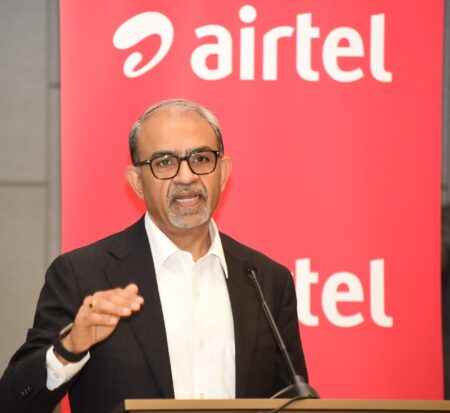
Speaking at the launch event, Atta Arome, Product Head for Solar Inverter Systems, highlighted the company’s trajectory, noting that SunKing initially began with basic solar lanterns, progressed to homesolar packages, and later introduced smaller inverters up to 3.3 kW before scaling to their current 30 kW capacity.
Mr. Arome emphasized that the new 30 kW capacity represents a major milestone, as it is capable of running high-draw appliances such as ovens, water heaters, and heavy machinery—offering clients substantial cost savings compared to traditional grid electricity. Company representatives added that these systems are built for broad institutional impact, citing Malawi as an example where thousands of schools are already integrated into the network, with a regional target to power over 5,000 schools by the year 2030.
Addressing operational reliability, Veronicah Mugwanja, Business Manager for Solar Inverters, stated that SunKing provides professional technical support and after-sales service following installation, ensuring customers have complete confidence andassistance should any maintenance or adjustments be required.
For consumers evaluating power options against conventional grid electricity, petrol, or diesel generators, these battery-backed solar inverter systems provide a quiet, clean, and financially efficient alternative over time.