




Airtel Africa has reported a 31 per cent increase in revenue to $1.853 billion for the quarter ended June 30, 2026, as strong customer growth, rising data consumption and increased adoption of mobile money services boosted the telecommunications giant’s performance.
The company said revenue increased from $1.415 billion in the corresponding period last year, with all its business segments recording double-digit growth in constant currency.
Mobile services revenue rose by 19.1 per cent, while mobile money revenue increased by 25.8 per cent, underlining the growing importance of digital financial services to the group’s business.
The performance comes as Airtel Africa continues to invest heavily in its network infrastructure and digital platforms to take advantage of Africa’s rapidly expanding digital economy.
The company’s total customer base increased by 11.6 per cent to 189 million, while the number of data customers rose 15.5 per cent to 87.3 million.
The growth in customer numbers was accompanied by a sharp increase in data consumption, with average monthly data usage per customer rising from 7.8 gigabytes to 10.6GB over the past year.
Overall data traffic across Airtel Africa’s network jumped by 56.3 per cent, contributing to a 10.3 per cent increase in data average revenue per user in constant currency.
Smartphone penetration also increased by 5.2 percentage points over the year to reach 51 per cent, reflecting the accelerating shift towards digital services across the company’s markets.
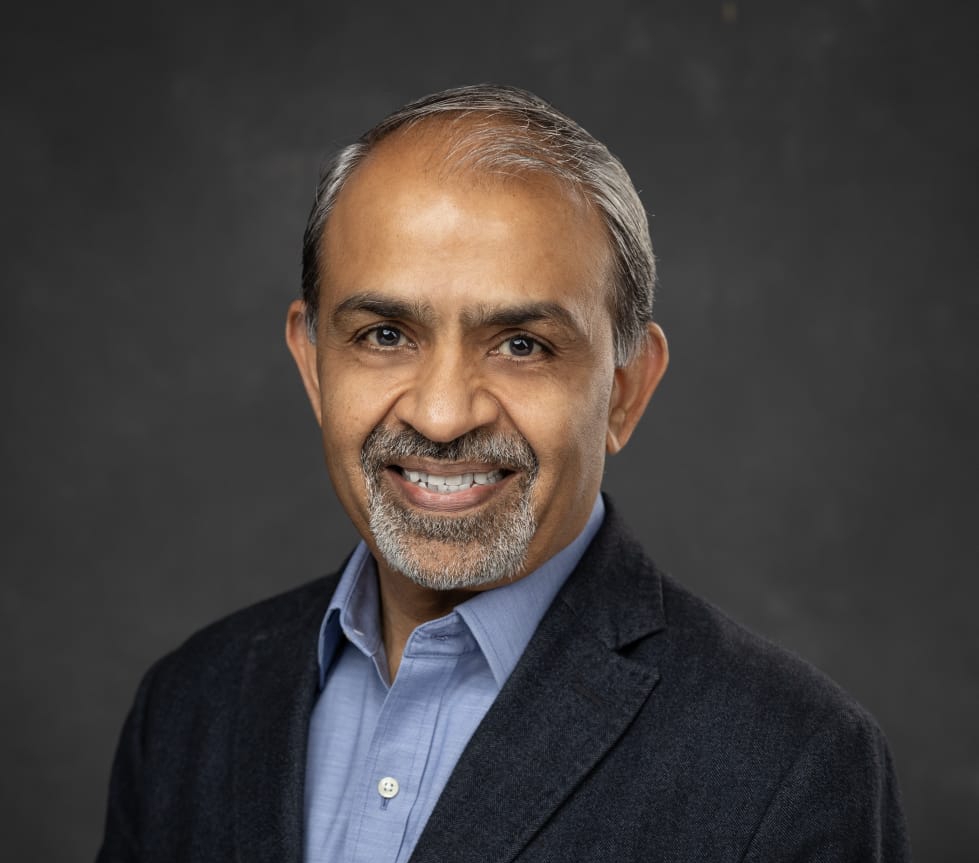
Airtel Africa chief executive officer Sunil Taldar attributed the performance to the company’s continued focus on customer experience, digital adoption and network investment.
> “We have started this year with another pleasing performance. Our continued focus on the customer experience translated into accelerating customer base growth across all business segments,” Mr Taldar said.
He said Airtel was streamlining customer journeys while increasing digital adoption and using data and artificial intelligence to improve service delivery and support sustainable growth.
“As we continue to digitise our business, we are streamlining customer journeys, increasing digital adoption and harnessing data and AI to improve service delivery and support a strong, sustainable growth profile,” he said.
East Africa remained a key contributor to the group’s growth, with revenue increasing by 14.4 per cent in constant currency.
The regional performance was supported by a 9.3 per cent increase in the customer base and a 5.3 per cent rise in average revenue per user.
In reported currency, East Africa revenue increased by 21.9 per cent to $607 million.
Voice revenue in the region grew by 8 per cent in constant currency, largely driven by the expansion of the customer base.
The figures point to continued demand for telecommunications and digital services in the region, where increasing smartphone ownership and improved network access are driving greater consumption of mobile data and digital products.
Airtel Money continued to record strong growth, with annualised total processed value (TPV) rising 51.5 per cent to more than $245 billion.
The mobile money platform’s customer base expanded by 23.3 per cent to 56.5 million, reflecting increased adoption of digital payments and financial services across Airtel Africa’s markets.
Mr Taldar said the company’s focus on financial inclusion, increased customer adoption and the expansion of use cases had strengthened the Airtel Money ecosystem.
“Airtel Money continues to expand financial inclusion across our markets and unlock new growth vectors,” he said.
The company said it had selected London as its preferred listing venue for Airtel Money in 2026, a move it expects will provide access to a broader international investor base.
The proposed listing is also expected to help unlock long-term value from the mobile money business, which has emerged as one of Africa’s leading fintech platforms.
The company said the continued expansion of Airtel Money was being supported by increased digital adoption, broader use cases and a stronger digital payments ecosystem.
Airtel Africa’s operating profit rose 40.7 per cent to $627 million, up from $446 million in the comparable period.
Profit after tax increased by 27 per cent to $198 million, compared with $156 million previously.
The company attributed the improvement mainly to higher operating profit, although the gains were partly offset by derivative and foreign exchange losses of $6 million, compared with a $22 million gain in the previous period.
Profit after tax was also affected by an exceptional finance cost of $37 million following an in-principle settlement reached during the quarter in relation to a commercial dispute involving one of the group’s subsidiaries.
Basic earnings per share increased to 4.4 cents from 3.4 cents, while earnings per share before exceptional items rose by 57 per cent to 5.4 cents.
Earnings before interest, tax, depreciation and amortisation (EBITDA) rose by 36.6 per cent in reported currency to $928 million.
In constant currency terms, EBITDA increased by 24.4 per cent, while the EBITDA margin improved to 50.1 per cent from 48 per cent a year earlier.
The company credited its cost optimisation programme for helping protect margins despite rising energy costs linked to geopolitical developments.
Mr Taldar, however, warned that higher energy costs could increase inflationary pressures and weigh on margins in the near term.
“We continue to see our cost efficiency programme supporting EBITDA margin resilience,” he said, adding that the company would continue working to offset some of the impact during the year.
Airtel Africa significantly accelerated its capital expenditure as it sought to strengthen network quality, capacity and coverage.
Capital expenditure rose to $389 million from $121 million in the previous period.
The company added more than 920 sites during the quarter, its highest first-quarter site rollout, while expanding its fibre network to 82,100 kilometres.
The accelerated investment programme is intended to position Airtel Africa ahead of rising demand for digital services and enable the company to capture new growth opportunities arising from Africa’s digital transformation.
Mr Taldar said the company was investing ahead of demand to sustain its operating momentum.
“Our accelerated investment programme remains on track, with investment brought forward into Q1 as we proactively invest ahead of demand to sustain our strong operating momentum and capture the growth opportunities presented by Africa’s ongoing digital transformation,” he said.
Airtel Africa’s financial position also strengthened during the period, with leverage improving from 2.2 times to 1.7 times.
Lease-adjusted leverage declined to 0.5 times from 0.9 times, primarily driven by improved EBITDA.
Net cash generated from operating activities rose 38.3 per cent to $786 million, up from $568 million in the previous period.
The company also announced progress on its share buyback programme, with the board having approved the repurchase of up to one per cent of its issued share capital.
By June 30, Airtel Africa had purchased approximately 10.2 million shares for a total consideration of $46.6 million.
The strong financial results come as the company positions itself for the next phase of growth, driven by expanding mobile connectivity, rising smartphone penetration, increased data consumption and the rapid adoption of digital financial services across its African markets.
With operations in 14 sub-Saharan African countries, Airtel Africa provides mobile voice and data services as well as mobile money products to millions of customers.
The company said its strategy remains focused on improving customer experience across its footprint while using technology and digital innovation to support its broader purpose of transforming lives across Africa.