






Kenya has taken another significant step in strengthening its digital transformation agenda after the Cabinet Secretary for Information, Communications and the Digital Economy, William Kabogo, announced a series of strategic partnerships aimed at accelerating artificial intelligence (AI) innovation, expanding digital infrastructure and creating new economic opportunities for young people.
Speaking after separate high-level engagements in Beijing, Kabogo said the government is pursuing practical collaborations that will position Kenya as a regional digital innovation hub while equipping young people with the skills and opportunities needed to compete in the global digital economy.
One of the key meetings brought together the Ministry and the leadership of the City University of Hong Kong, where discussions focused on establishing long-term cooperation in artificial intelligence, green data centres powered by renewable energy, digital government services and technology transfer.

Kabogo said the proposed partnership will focus on four priority areas: AI education and joint research, the establishment of environmentally sustainable data centres powered by Kenya’s clean energy resources, digitisation of government services, and knowledge exchange between institutions in Kenya and Hong Kong.
He noted that the collaboration seeks to connect the City University of Hong Kong with Konza Technopolis and Kenyan universities through sister-institution partnerships, scholarship programmes and pilot projects that can be expanded based on demonstrated success.
According to the Cabinet Secretary, Kenya is well positioned to become a leading destination for digital investments due to its youthful population and abundant renewable energy resources.
He observed that nearly 70 per cent of Kenya’s population is below the age of 35, providing the country with a large pool of young innovators and technology talent. He also highlighted Kenya’s significant solar energy potential, describing it as an ideal location for powering green data centres and supporting sustainable digital infrastructure.
Kabogo said both parties are expected to conclude a practical cooperation agreement in the coming weeks, emphasizing that the government’s objective is to deliver tangible results rather than agreements that remain unimplemented.
“The goal is to deliver real projects and early wins that directly benefit Kenyans,” he said.
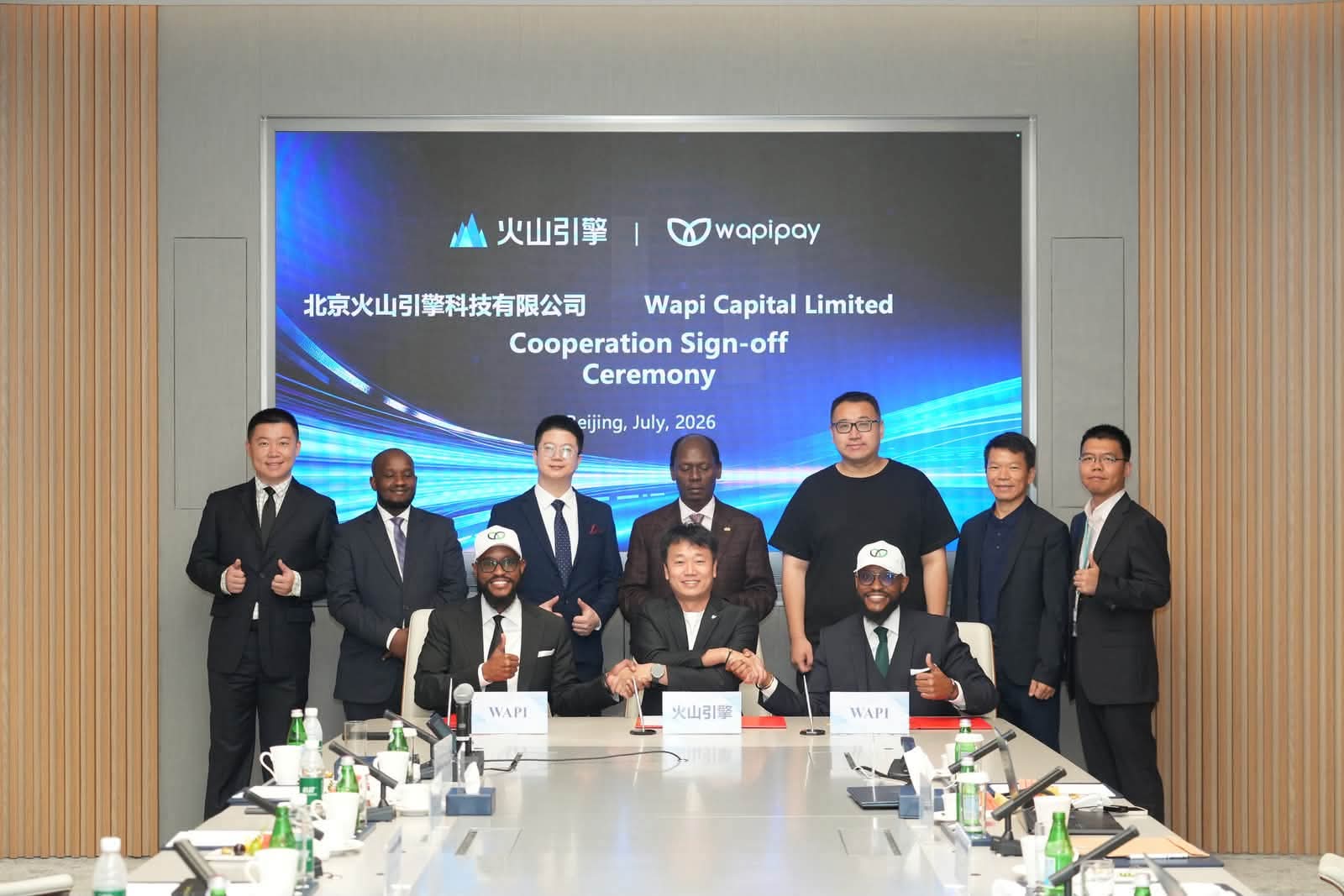
In a separate engagement, Kabogo witnessed the signing of a strategic partnership between WAPI Group and Volcano Engine, the cloud computing and artificial intelligence subsidiary of ByteDance, the parent company of TikTok.
The partnership is expected to establish the creator platform ‘Tazama’ in Kenya, creating new opportunities for content creators, digital entrepreneurs and creative professionals across Kenya and the African continent.
The initiative will provide creators with advanced AI-powered production tools, localisation support and integrated payment systems, enabling them to monetize their content while reaching audiences in China and other international markets without leaving the country.
Kabogo described the partnership as a major milestone for Kenya’s creator economy, saying it opens access to one of the world’s largest digital markets with more than one billion users.
Beyond expanding commercial opportunities, he said the collaboration will promote cultural exchange by enabling African music, stories, films and digital content to reach Chinese audiences while showcasing Kenya’s rich tourism attractions, heritage and cultural diversity to the global market.
He added that the partnership is expected to strengthen digital tourism by exposing international audiences to Kenya’s landscapes, wildlife and cultural experiences, potentially attracting more visitors to the country.
The Cabinet Secretary also welcomed the commitment to support African language content, beginning with Kiswahili, saying the initiative will help preserve local identity while enabling African creators to compete globally.
Kabogo noted that Kenya occupies a strategic position as the gateway to the African market of approximately 1.5 billion people, making it an attractive destination for technology companies seeking to expand across the continent.
He reaffirmed the government’s commitment to creating an enabling environment through supportive policies, strategic partnerships and digital skills development programmes that empower young people to participate meaningfully in the digital economy.
“The future of work for our youth is digital,” Kabogo said, adding that the Ministry will continue working with both local and international partners to ensure digital opportunities are accessible to as many young Kenyans as possible.
The twin partnerships form part of the government’s broader Digital Kenya agenda, which seeks to expand digital infrastructure, strengthen innovation ecosystems, promote artificial intelligence, support the creator economy and position Kenya as Africa’s leading technology and innovation hub.