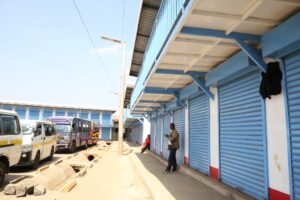




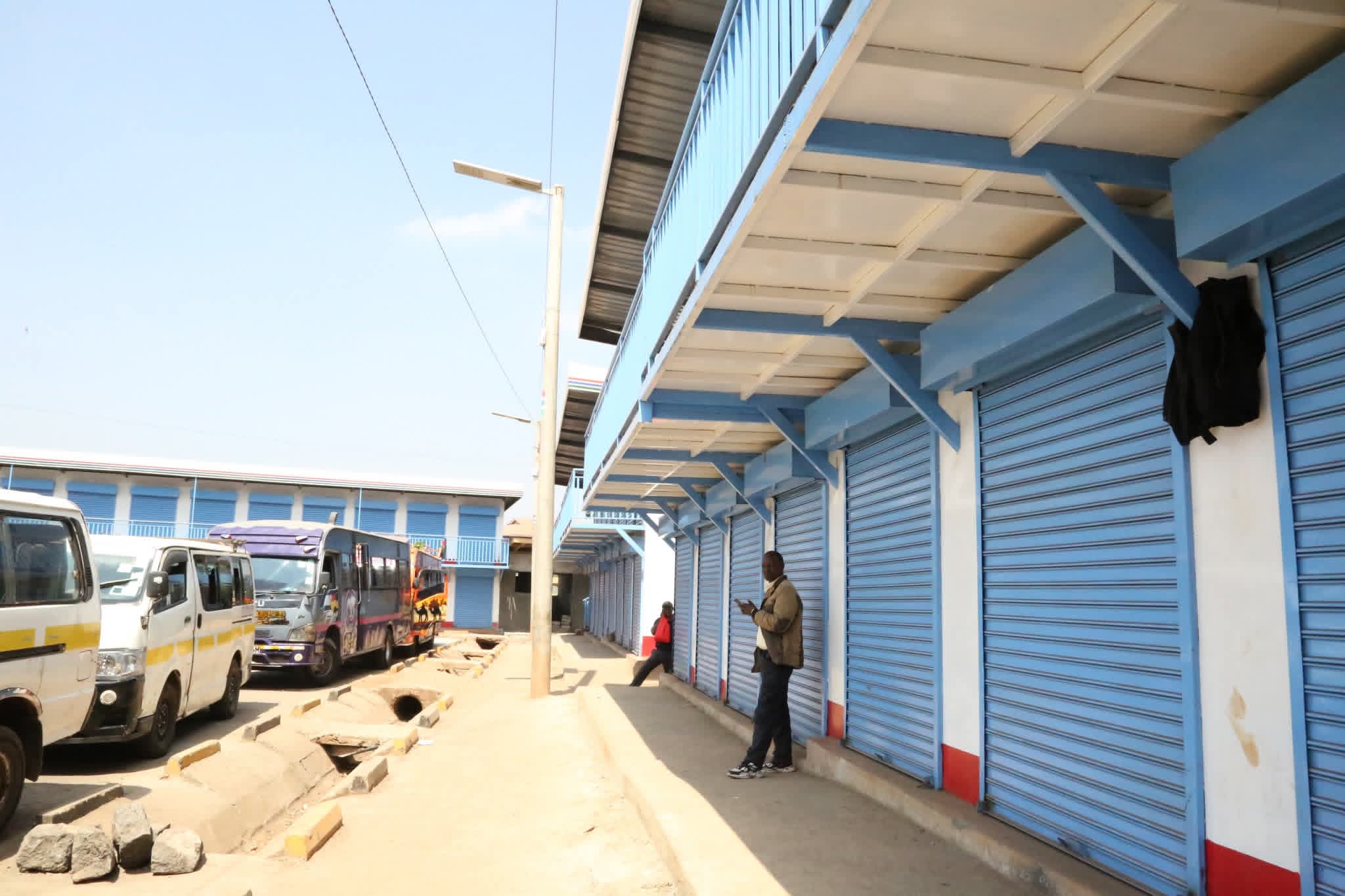
The long-awaited reopening of the Kikuyu Bus Park could be accelerated after the Kiambu County Assembly Roads, Public Works and Infrastructure Committee pledged to push for the completion of outstanding works at the facility.
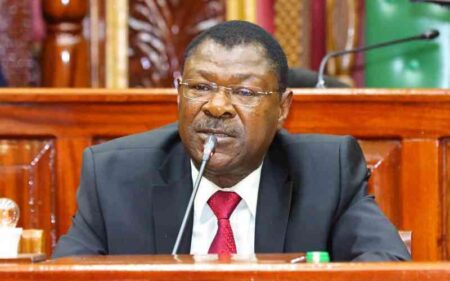
The committee, led by its chairperson Patrick Mwiberi, said the bus park was critical to restoring order in the town’s public transport system while giving traders and small businesses a much-needed boost.
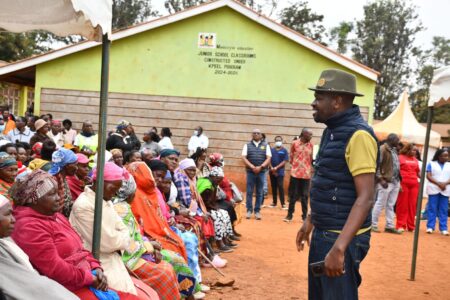
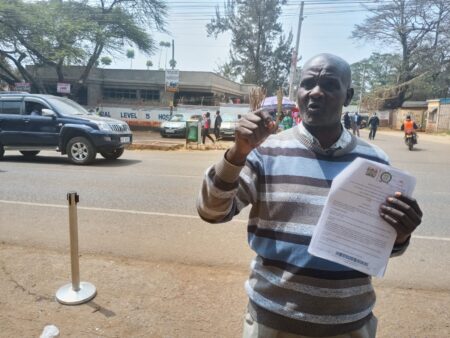
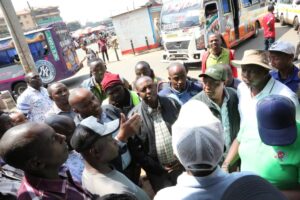
During a fact-finding visit to the facility, the committee heard from traders and matatu operators who said the completion and operationalisation of the bus park would help revive commercial activity that has been affected by the delays.
The traders said most of the modern kiosks and stalls constructed at the bus park were complete but were yet to be connected to electricity, delaying their occupation.
They called on the county administration to expedite the remaining works, connect the facilities to power and officially reopen the bus park to allow matatus and other public service vehicles to resume operations.
The transport operators also asked the county to set aside offices for established matatu SACCOs, arguing that an organised transport system would improve service delivery and reduce congestion within Kikuyu town.
For traders, the reopening of the facility is equally urgent.
They want the newly constructed kiosks allocated without further delay, saying the return of public transport operations would bring back commuters and stimulate businesses dependent on the daily flow of passengers.
Mwiberi said the committee would use its oversight mandate to establish the works that remain outstanding and engage the relevant county department and contractor to ensure the project is completed.
He said the committee would push for the Department of Roads to address pending issues so that the facility can be brought into use.
The committee was accompanied during the visit by Kikuyu MCA Kamau Boro, Muguga MCA Kamau Thumbi and officials from the county Roads department.
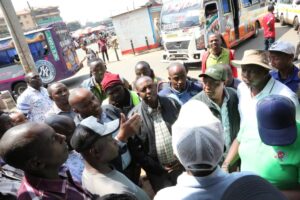
The committee also inspected the county’s cabro production centre at Muguga Polytechnic, where it assessed the capacity of the facility to supply materials for road and pedestrian infrastructure projects.
Chief Officer for Youth and Special Programmes Dr Mercy Njoki told the committee that the Muguga facility had produced about 300,000 non-motorised cabros, which are ready for installation in different wards.
She said the county had expanded production through additional facilities established at vocational training centres in Kiganjo, Juja Farm, Kamirithu, Ruiru and Makongeni.
The centres have collectively produced more than 800,000 cabros, according to the department.
The production programme is intended to provide locally manufactured materials for improving pedestrian walkways, roads and other public infrastructure while reducing reliance on externally sourced materials.
Apart from cabros, the facilities are manufacturing drainage channels, shallow drains and road kerbs to support ongoing road improvement programmes across the county.
The committee welcomed the production initiative but called for a clear and equitable distribution mechanism to ensure that all wards benefit from the materials.
The legislators said increased production would have limited impact if the materials were concentrated in a few areas, urging the county administration to align distribution with the road infrastructure needs of individual wards.
The committee also emphasised the need to strengthen road networks alongside improvements to the bus park, saying better roads and organised public transport were essential to easing movement of people and goods.
The Muguga production centre forms part of the county’s broader effort to use its vocational training infrastructure to support public works while creating opportunities for skills development and local production.
For Kikuyu residents, however, the immediate priority remains the reopening of the bus park, which they see as a potential catalyst for restoring order in public transport and breathing new life into businesses around the town centre.
The committee’s intervention now puts pressure on the county administration and the contractor to resolve the remaining issues, particularly electrification, allocation of stalls and operational arrangements, before the facility can fully serve residents.