



Kenya has stepped up efforts to pave the way for the establishment of a Sh2.2 trillion regional oil refinery, with the government seeking consensus with East African partners on the location and other key aspects of the mega project.
Deputy President Kithure Kindiki said the proposed refinery, backed by Nigerian billionaire Aliko Dangote, could transform the region’s energy sector, create thousands of jobs and strengthen East Africa’s ability to withstand global oil price shocks.
Prof Kindiki said Kenya was engaging regional governments and other stakeholders to build consensus on hosting the facility, which is expected to be among the largest refineries in the world.
“Kenya is keen and is engaging regional partners for consensus on that facility being hosted in this region. It will create jobs, hence cushioning our economy and the region from economic shocks emanating from sharp rises in oil prices,” the Deputy President said.
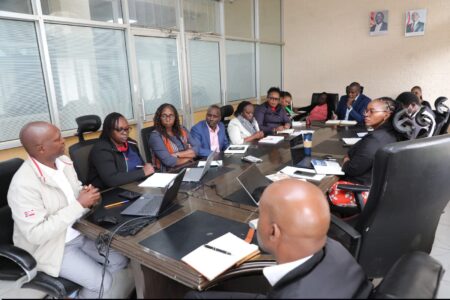
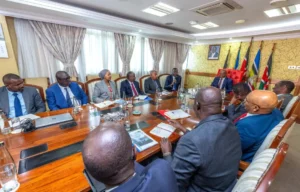
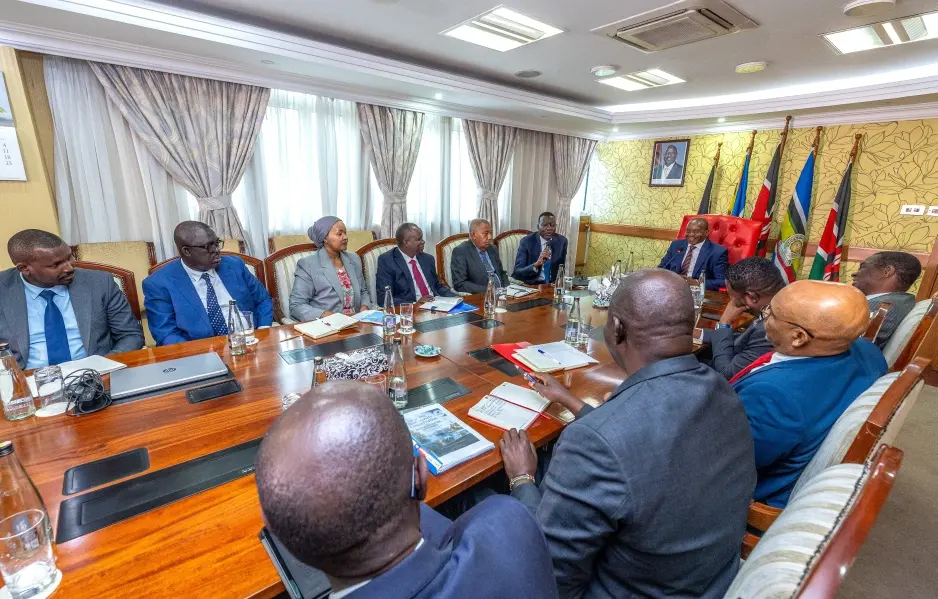
He spoke on Tuesday after chairing a meeting with Cabinet Secretaries, Principal Secretaries and heads of government agencies at Harambee House Annex in Nairobi to review the legal, regulatory and administrative groundwork required to move the project forward.
The meeting was attended by National Treasury Cabinet Secretary John Mbadi, Roads and Infrastructure CS Davies Chirchir, Energy CS Opiyo Wandayi and Lands CS Alice Wahome, among other senior government officials.
Lamu has emerged as a possible location for the refinery, with feasibility studies now underway to determine the suitability of the coastal site for the multi-trillion-shilling investment.
Prof Kindiki, however, stressed that the project would require broad consultations, given its regional and international character and the scale of investment involved.
“We are hoping that the feasibility work will end quickly and all the stakeholders will buy in so that we can have this big project,” he said.
The Deputy President said the refinery could anchor the development of a regional petrochemical hub, support industrialisation and reduce East Africa’s vulnerability to fluctuations in international crude oil prices.
He said the project had gained urgency amid disruptions in global energy markets, which have exposed economies that rely heavily on imported petroleum products to external shocks.
Beyond energy security, Prof Kindiki said the refinery would generate employment and create opportunities across the wider economy through the development of related industries and services.
The initiative is part of President William Ruto’s efforts to position Kenya as a regional investment and industrial hub, with the Deputy President tasked with coordinating government engagement with potential investors and other stakeholders involved in the proposed project.
Prof Kindiki urged Ministries, Departments and Agencies involved in the preparatory work to move with urgency and ensure that their respective responsibilities were discharged as the feasibility process progresses.
“This is work in progress and all Ministries, Departments and Agencies are seized of their responsibilities as the feasibility process goes on and from time to time we will be reporting progress,” he said.
He called for patience among stakeholders as the government undertakes consultations and addresses the legal, regulatory and administrative requirements necessary before the project can proceed to the next stage.
The Deputy President said the scale of the proposed investment demanded careful planning and broad stakeholder participation to avoid costly mistakes that could undermine the project.
“This is not entirely a Kenyan project. It is an international project involving regional partners and foreign investors. It is a sensitive and delicate matter but it is crucial for us and the region,” Prof Kindiki said.
The latest government deliberations focused on preparatory measures already undertaken, outstanding legal and regulatory requirements and plans for stakeholder engagement in the coming weeks.
Government officials are expected to continue consultations with regional partners, investors and other interested parties as feasibility assessments for the proposed refinery progress.
If realised, the project would add a major new dimension to East Africa’s petroleum infrastructure, potentially providing the region with greater capacity to process crude oil locally while supporting the development of petrochemical industries.
The government sees the proposed refinery as a strategic investment that could help reduce dependence on imported refined petroleum products, deepen regional economic integration and create a new industrial corridor around the coast.
However, its success will depend on the outcome of feasibility studies, agreement among regional partners and the ability of governments and investors to resolve the legal, financial and regulatory issues surrounding the ambitious undertaking.