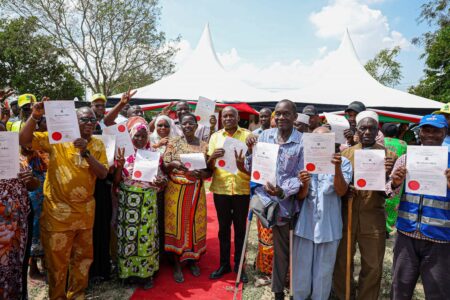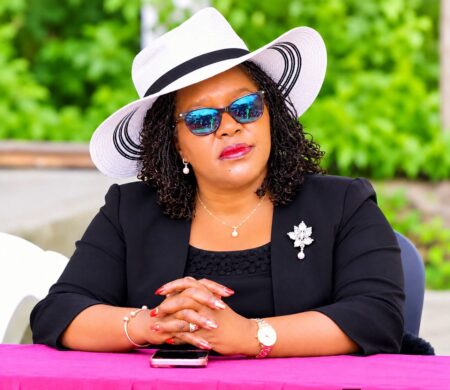





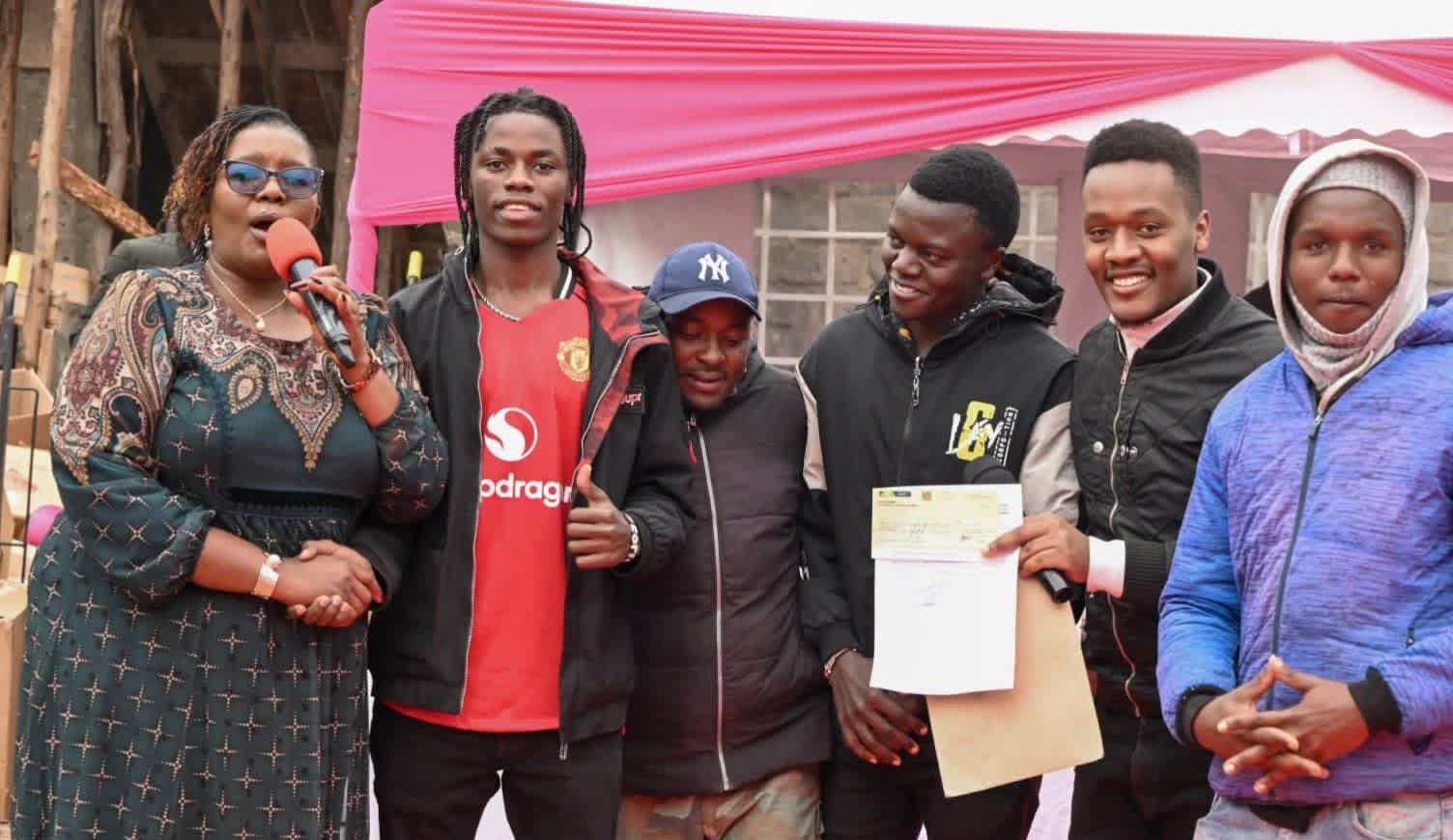
Kiambu County Woman Representative Anne Wamuratha has challenged men to organise themselves into registered community groups and take advantage of government empowerment funds, saying financial support available through the National Government Affirmative Action Fund (NGAAF) is not reserved for women.
Wamuratha said men, particularly those struggling to sustain their families and run small businesses, should abandon the perception that affirmative action programmes are exclusively designed for women and instead explore opportunities available through her office.
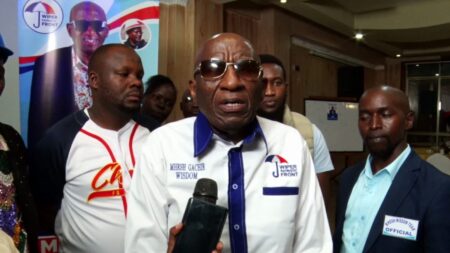
Speaking during a men’s empowerment programme in Kiambu County, the Woman Representative said economic challenges facing men required deliberate interventions, noting that many were struggling financially but rarely spoke openly about their difficulties.
She said the programme was intended to provide men with opportunities to improve their livelihoods, strengthen their economic independence and address the pressures associated with unemployment and financial hardship.
“Please, know that there is a time for politics and a time for work. Right now, Mama County has not come here to do politics. I have come to work,” Wamuratha told the gathering.
She emphasised that financial assistance offered through her office was a grant, not a loan, meaning successful applicants would not be required to repay the money.
Wamuratha said organised groups could receive between Sh100,000 and Sh300,000 depending on their needs, eligibility and assessment, urging beneficiaries to demonstrate commitment to collective economic activities.
She cited boda boda operators and other community based groups as examples of organised formations that could benefit from the empowerment initiative.
However, she cautioned applicants against assuming that presenting a registration certificate automatically guaranteed funding, explaining that all applications must undergo scrutiny and meet NGAAF requirements.
She said the application process involved submitting documents to the relevant offices for verification and assessment before successful groups could be considered for financial support.
Her office also outlined a set of requirements that groups must fulfil to qualify.
Applicants must possess a valid group registration certificate issued through the Department of Social Services, with evidence of renewed registration and the relevant official stamps.
Groups must also submit an updated membership register containing members’ names, telephone numbers, national identification numbers and signatures.
In addition, applicants are required to provide three sets of meeting minutes, with one specifically documenting the group’s resolution to seek financial assistance from NGAAF through the Woman Representative’s office.
Wamuratha’s team further directed groups to demonstrate active table banking activities by maintaining records of members’ regular contributions, however small.
The records should indicate individual contributions, including amounts as little as Sh10 or Sh20, as evidence that members are participating in collective savings and financial mobilisation.
Groups must also provide copies of national identity cards belonging to their three principal officials the chairperson, secretary and treasurer alongside a bank statement.
The bank account must bear the same name appearing on the group’s registration certificate to ensure consistency during the verification process.
Wamuratha said groups did not need substantial savings to qualify but must demonstrate that they were active, properly organised and committed to working together.
She urged men to embrace collective responsibility rather than approach her office with individual requests for financial assistance.
The initiative also comes amid growing attention to the economic pressures confronting men, with Wamuratha encouraging greater openness and community support to address challenges that can remain hidden within households.
She maintained that empowerment programmes should provide opportunities to all eligible members of society, regardless of gender, as communities seek sustainable ways of improving household incomes and creating economic opportunities.
Her message was that men should not remain on the sidelines of government affirmative action programmes but organise themselves, understand the application requirements and pursue available opportunities.