


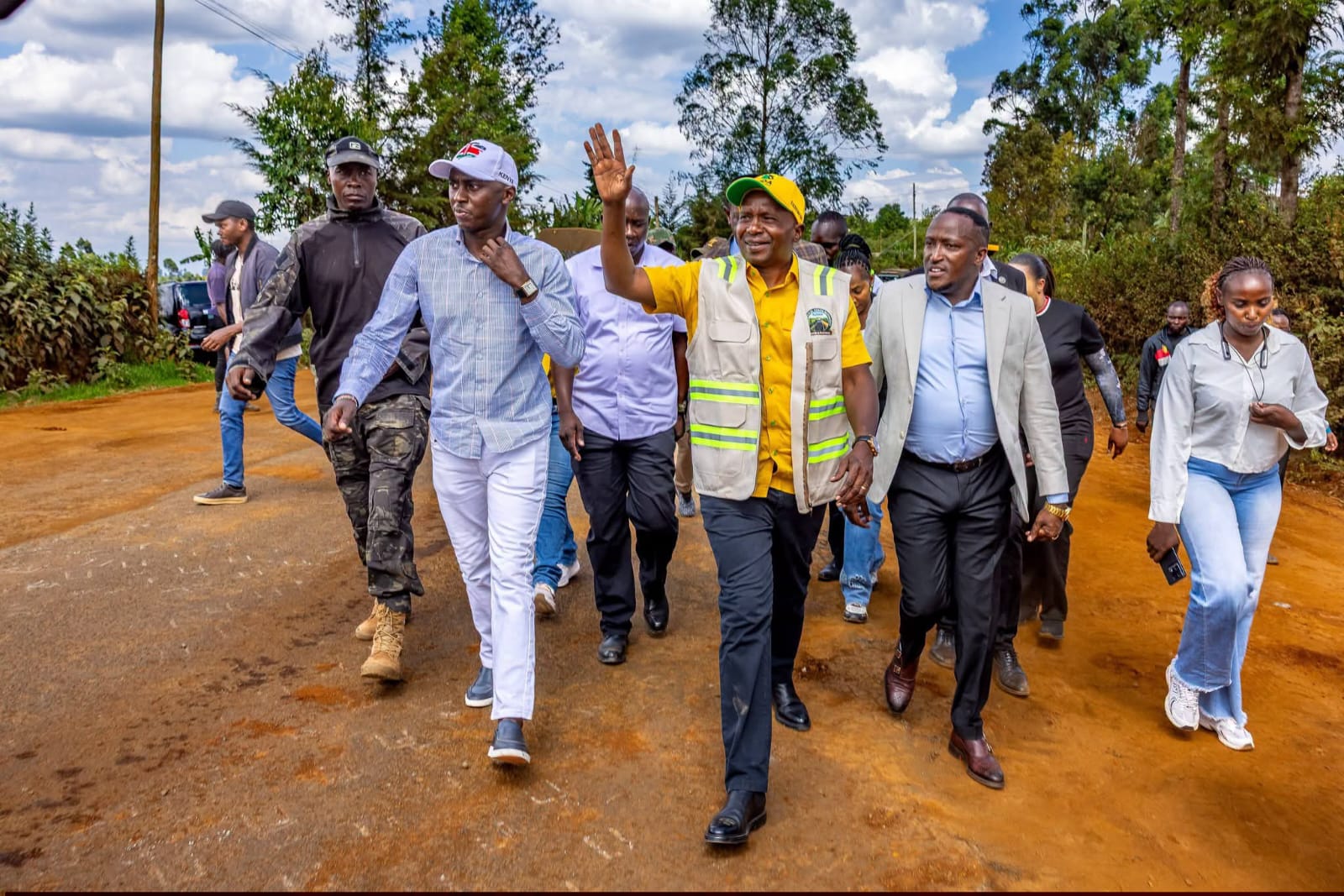
Deputy President Kithure Kindiki has defended the government’s development record, promising to accelerate stalled infrastructure projects and address historical inequalities in Gatundu North, Kiambu County, as he challenged political leaders seeking elective positions to account for their performance.
Prof Kindiki said the government was working to fulfil its campaign pledges before the next General Election, insisting that every region deserved an equitable share of national development regardless of its political leanings.
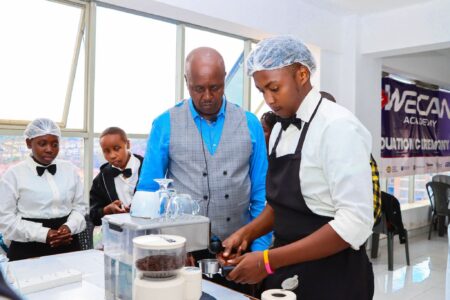
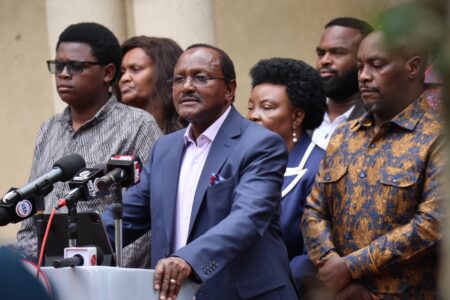
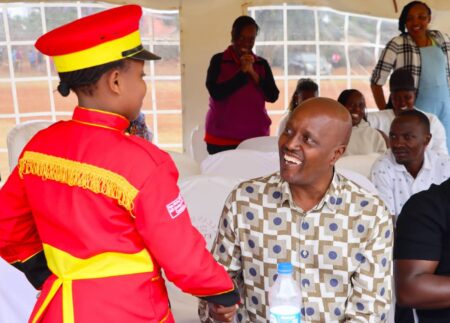
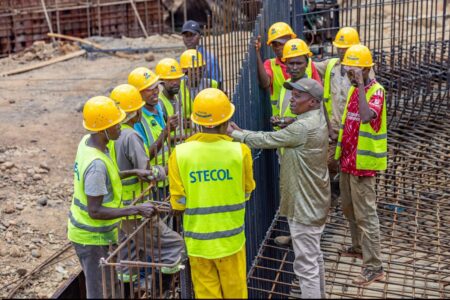
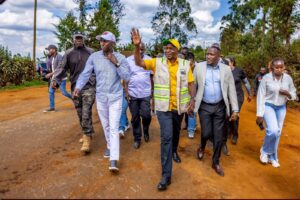
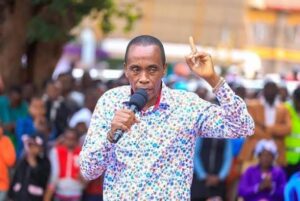
He spoke on Wednesday, October 21, during an inspection of development projects and a public engagement rally at Gachege Shopping Centre in Gatundu North, where he outlined investments in roads, markets, electricity connectivity, technical education and agriculture.
The Deputy President said the administration had prioritised areas that had lagged behind in infrastructure development, singling out Gatundu North as one of the constituencies in Kiambu that had suffered from inadequate roads and limited development.
“This government has put an end to discrimination against different parts of Kenya. We have said that equality must be upheld and every part must be developed,” Prof Kindiki said.
He added that development projects being implemented in Kiambu should be replicated in other parts of the country, including Meru, the Coast and other regions, to ensure no community felt excluded from the national development agenda.
“What is being done in Gatundu South must also be done in Gatundu North. What is being done in Limuru must also be done in Thika town. What is being done in Kiambu must also be done in Meru, and what is being done in Central Kenya must also be done at the Coast,” he said.
The remarks come amid heightened political activity ahead of the 2027 General Election, with the Deputy President using the tour to defend the administration’s development record and challenge its critics to present alternative policy proposals.
Road infrastructure featured prominently during the visit, with Prof Kindiki announcing that Kiambu County had been allocated 1,285 kilometres of roads earmarked for tarmacking at an estimated cost of Sh152 billion.
He said the government had completed 368 kilometres of tarmac roads in the county over the previous two years at a cost of Sh20 billion, adding that the administration was determined to revive projects that had stalled.
According to the Deputy President, the government was implementing a nationwide programme targeting 7,000 kilometres of roads, with Kiambu among the counties receiving a significant allocation.
He attributed the delays in several road projects to outstanding payments owed to contractors, saying the government had cleared Sh177 billion in arrears to facilitate the resumption of construction.
Prof Kindiki disputed suggestions that the road projects had stalled during the current administration, saying many had experienced difficulties between 2019 and 2021, particularly following the Covid-19 pandemic and the associated economic disruptions.
In Gatundu North, the government is prioritising the 67 kilometre Thika–Magumu Road, one of the Mau Mau road projects intended to improve connectivity between Kiambu and Nyandarua counties.
The road, which passes through Thika, Kamwangi and Kanyoni towards Magumu and the flyover section in Nyandarua, had stalled before construction resumed.
The Deputy President said 31 kilometres had been completed, leaving approximately 35 kilometres to be finished, and disclosed that the previous Chinese contractor had been replaced.
He said the government had secured funds to complete the remaining works, assuring residents that the project would not stall again.
“We do not want the people of Kenya to suffer again because of poor roads,” he said.
The revival of the Mau Mau roads is expected to improve transport links, ease the movement of agricultural produce and connect communities that have struggled with inadequate road infrastructure.
The government is also investing in modern markets in Gatundu North, with Prof Kindiki saying the projects were intended to provide traders, particularly women, with safer and more dignified working environments.
The Kanyoni Economic Stimulus Programme market, allocated Sh65 million, is 75 per cent complete, while construction of the Gatukuyu Market, valued at Sh56 million, is progressing.
The Kamwangi ESP Market is also under construction, with the Deputy President putting its cost at approximately Sh385 million during the rally. An earlier project brief placed the allocation at Sh380 million.
Prof Kindiki said the government wanted to replace informal trading spaces exposed to the elements with modern facilities that would support business growth and improve the working conditions of small scale traders.
“We want our mothers to have a decent place to conduct their businesses, away from the sun, dust and mud, and to move into a modern market where they can do business with dignity,” he said.
He added that the government was investing Sh52 billion in Kiambu County through projects involving modern markets, affordable housing and student hostels.
The wider programme, he said, was intended to stimulate economic activity, create jobs and improve access to essential facilities.
On electricity connectivity, Prof Kindiki said the government had initially allocated Sh65 million to connect 700 households in Gatundu North under the last-mile electrification programme.
He promised an additional Sh35 million to expand the project, saying the aim was to ensure that all households in the constituency that remained without electricity were connected.
The Deputy President said the additional allocation would help address the needs of communities that had been excluded from previous electrification programmes.
He also announced an investment in student accommodation at Mang’u Technical Training Institute, although the figures given for the project differed during the visit.
An earlier project brief indicated that Sh320 million had been allocated for student hostels, while Prof Kindiki later said Sh310 million would be spent on upgrading facilities at the institution.
The investment is part of the government’s broader plan to expand technical and vocational education and improve training infrastructure for young people seeking practical skills.
The Deputy President also addressed concerns among farmers over agricultural earnings, promising further improvements in tea prices and announcing a planned increase in the price paid for milk.
He said the price of green tea leaves had risen from Sh35 per kilogramme to between Sh50 and Sh56, but acknowledged that the current returns were below the guaranteed minimum income the government wanted farmers to receive.
Prof Kindiki said the administration was working to resolve outstanding challenges in the tea sector, drawing parallels with interventions it had undertaken in the coffee industry.
“I want to assure you that, very soon, you will see tea prices improve,” he said.
On dairy farming, he said President William Ruto had announced that the price of milk would increase from Sh50 to Sh65 per litre beginning in October.
The proposed increase, he said, was intended to raise farmers’ earnings and put more money into the pockets of households dependent on dairy farming.
Agriculture remains a major source of livelihood in Kiambu, where tea, coffee and dairy farming support thousands of households and supply markets in Nairobi and other urban centres.
Prof Kindiki also cited the expansion of health insurance registration under the Social Health Authority as evidence of the government’s efforts to widen access to healthcare.
He said approximately 1.5 million residents of Kiambu County had registered with the SHA, while another 900,000 needed to enrol to cover the county’s estimated population of 2.4 million.
Nationally, he said about 33.3 million Kenyans, representing 70 per cent of the population, had medical cover, including millions who had previously been covered under the now replaced National Hospital Insurance Fund.
The Deputy President urged residents to register with the SHA, arguing that wider coverage would help households access medical services without bearing the full cost of treatment out of pocket.
His remarks come as the government continues to promote the new health financing system amid public debate over registration, access to services and the implementation of its healthcare reforms.
Beyond development, Prof Kindiki used the rally to challenge politicians seeking votes in Gatundu North to explain their record in office and outline what they intended to do differently if elected.
He defended local MP Elijah Njoroge Kururia, saying his advocacy had helped secure some of the projects currently being implemented in the constituency.
The Deputy President argued that voters should assess leaders on tangible results rather than political rhetoric, urging aspirants to explain their policies on healthcare, education, roads and agriculture.
“Anyone seeking votes should come here and explain what they have done for Gatundu North. Those who held leadership positions in the past must explain what they did for the people and tell us what new things they will do if given another opportunity,” he said.
He added that the government wanted to complete its outstanding campaign pledges before the next election rather than return to the electorate with fresh promises.
“We do not want to have a debt to you when we return during the campaign period. We want to come here asking for your votes, not making more promises,” he said.
However, Prof Kindiki also cautioned against political intolerance, saying Kenyans should not allow competition for elective positions to divide communities.
He maintained that both government supporters and critics had a democratic right to their political choices and urged leaders to debate policies without resorting to insults, violence or intimidation.
He warned politicians against allegedly mobilising young people to attack opponents, damage traders’ premises or loot businesses, saying those responsible should be held accountable.
“Politics should not make us quarrel with one another because quarrelling is foolishness,” he said.
The Deputy President concluded by reiterating the government’s determination to intensify the crackdown on illicit alcohol and dangerous brews, describing the trade as a threat to public health and the country’s future.
He said the government would target the networks involved in manufacturing, transporting and distributing toxic alcoholic drinks and other illicit substances.
“We are not fighting businesses; we are fighting those who are selling death to our people. No matter what you say or how you choose to fight us politically, we are ready for you,” Prof Kindiki said.
He warned manufacturers and distributors that the government intended to disrupt their operations and prevent them from continuing to profit from products that endanger consumers.
“This time round, there is no escape route. We will come for you, we will find you, and we will deal with you,” he said.
The crackdown, he added, was intended to protect families and communities from the social and health consequences associated with illicit alcohol consumption.
The Deputy President was accompanied by Gatundu North MP Elijah Njoroge Kururia, Thika Town MP Alice Ng’ang’a and other local leaders during the inspection tour and public rally.