






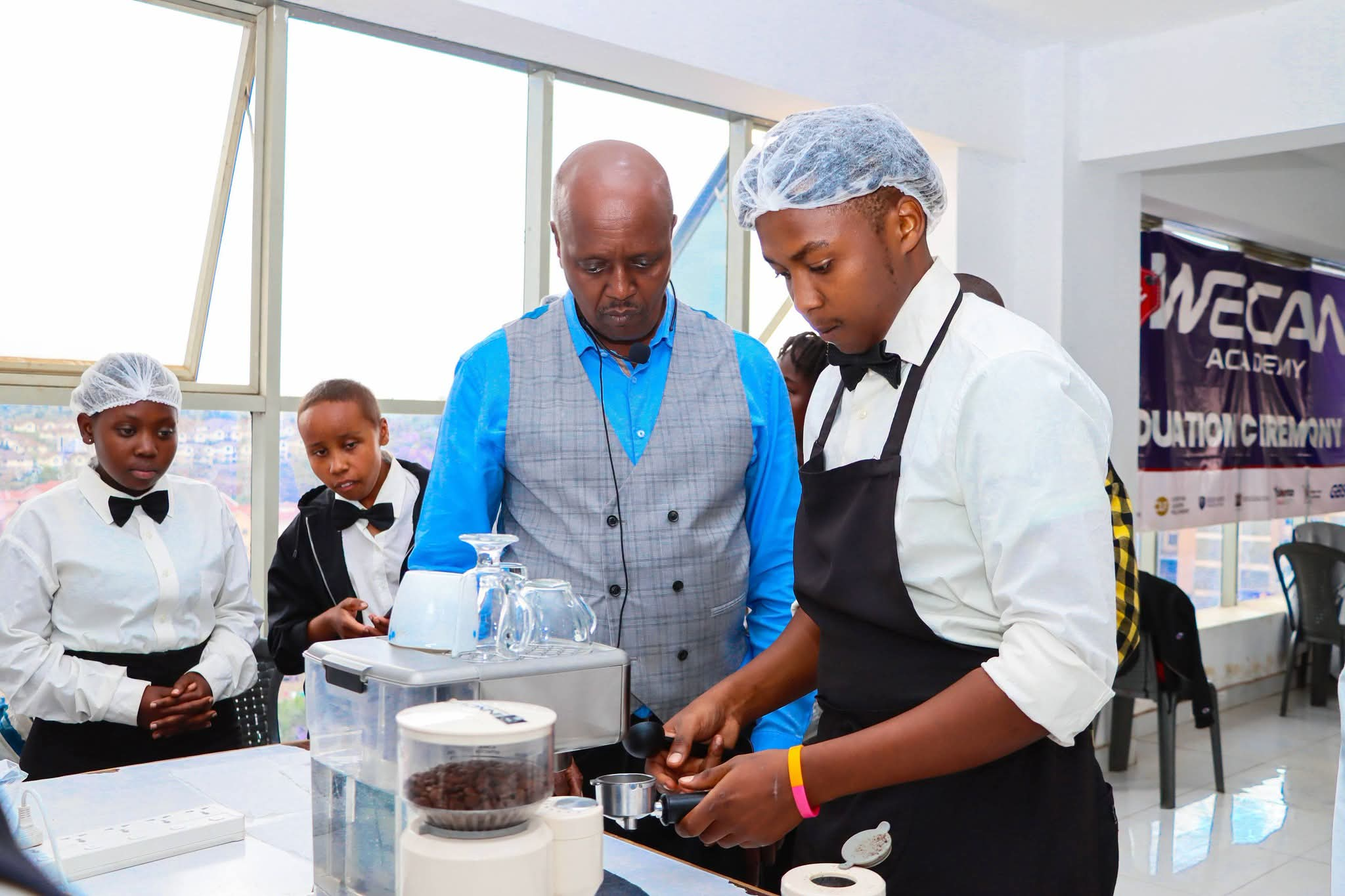
Kiambu Constituency MP Machua Waithaka has stepped up efforts to equip young people with marketable technical skills, with 350 trainees enrolled in specialised courses aimed at improving their prospects of securing employment or starting their own businesses.
The trainees are undertaking Grade II technical courses in plumbing, caregiving and barista training at the Jitume ICT Hub in Ndumberi, under a programme supported by the National Government Constituencies Development Fund (NG-CDF).

Waithaka said the initiative was part of a broader strategy to empower young people through practical training that responds to labour market demands and creates pathways to economic independence.
He said investing in skills development was essential in addressing youth unemployment and enabling young people to take advantage of opportunities in both formal employment and entrepreneurship.
“We are investing in the future of our young people by equipping them with practical skills that can create opportunities for employment and self employment,” he said.
The programme targets young people seeking to strengthen their technical competencies and improve their ability to earn a living in an increasingly competitive job market.
According to Waithaka, the courses are accredited by the National Industrial Training Authority (NITA), giving trainees an opportunity to acquire recognised qualifications that can strengthen their competitiveness when seeking jobs or establishing small enterprises.
The training covers three areas with potential for employment and self employment. Plumbing offers opportunities in construction, property maintenance and building services, while caregiving prepares trainees for support roles in homes and care facilities. Barista training, meanwhile, provides skills relevant to the hospitality industry, including hotels, restaurants and coffee shops.
The MP said the current cohort had already completed Grade III training before progressing to Grade II, marking another stage in their technical and professional development.
The progression is expected to deepen their practical knowledge and improve their readiness to take on responsibilities in their respective fields.
Waithaka said the trainees were approaching the completion of their current courses, with graduation expected in the coming weeks.
The ceremony will mark the culmination of their training and the beginning of their pursuit of employment and other income generating opportunities.
The programme underscores the growing emphasis on technical and vocational education as a route to addressing unemployment by equipping young people with skills that can be applied directly in the workplace.
For trainees unable to secure formal employment immediately, the skills could also provide a foundation for self employment, including offering plumbing services, providing caregiving support or seeking opportunities in the hospitality sector.
The NG-CDF backed initiative at the Ndumberi facility forms part of efforts to expand access to practical training at the constituency level, enabling young people to acquire technical competencies without necessarily having to pursue lengthy academic programmes.
However, the long term impact of such interventions will depend on the ability of graduates to translate their qualifications into sustainable livelihoods through employment, enterprise development and access to relevant opportunities.
As the 350 trainees prepare to graduate, the programme offers a practical example of how targeted skills development can help young people build pathways towards greater economic participation and independence.