




Medical professionals are reporting a wave of optimism as more Kenyans turn out for early cancer screening. While the disease remains a major challenge—ranking as the second leading killer with 29,000 annual deaths out of 45,000 new cases—the Ministry of Health reports that awareness campaigns are yielding positive results.
Dr. Gladwell Gatheca, head of the Cancer and Non-communicable Diseases Division, credits this progress to the decentralization of care. Treatment that was once restricted to Nairobi and Eldoret is now available at regional centers in Garissa, Nakuru, and Mombasa.

Further milestones include a surge in HPV vaccination rates for girls, which has risen from 35% to 62%. To ease the financial burden on families, the government has ensured cancer treatment is covered under the Social Health Authority (SHA) insurance.
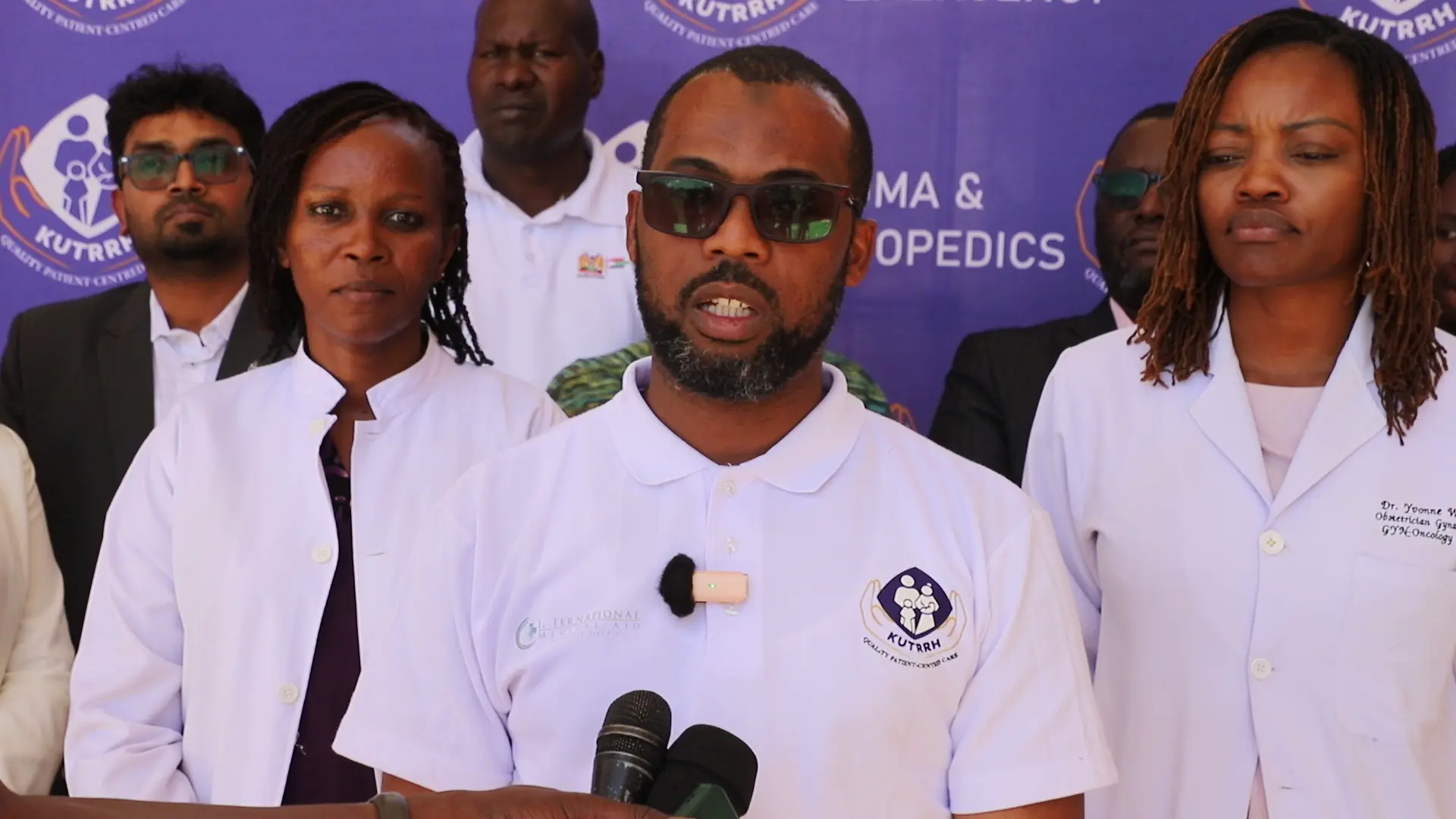
Dr. Abeid Athman of KUTRRH noted that while late diagnosis remains a concern, more Kenyans are now being diagnosed at stages 1 and 2. This shift is a direct result of more people embracing early testing for common types like breast, prostate, esophageal, and colorectal cancers.
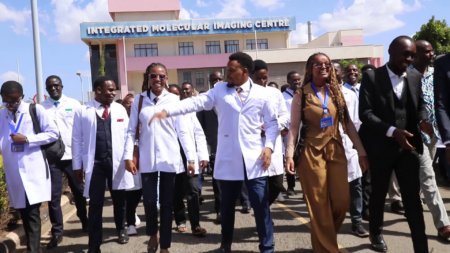
The country has also invested in advanced technology to reduce the need for specialized treatment abroad. KUTRRH now offers PET scans and CyberKnife robotic radiosurgery, which provides precise treatment for various tumors while minimizing side effects.

Community health promoters are now being empowered to spread messages of hope and prevention across the country. Dr. Caroline Ngugi of KUTRRH concluded by appealing to the public to visit the hospital for free screening services to help catch the disease early.