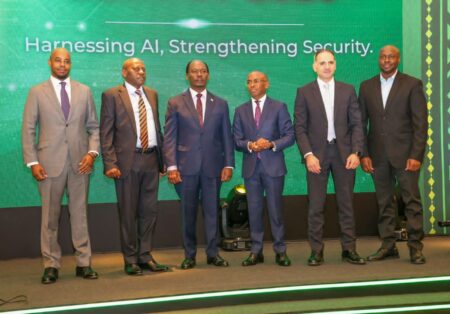










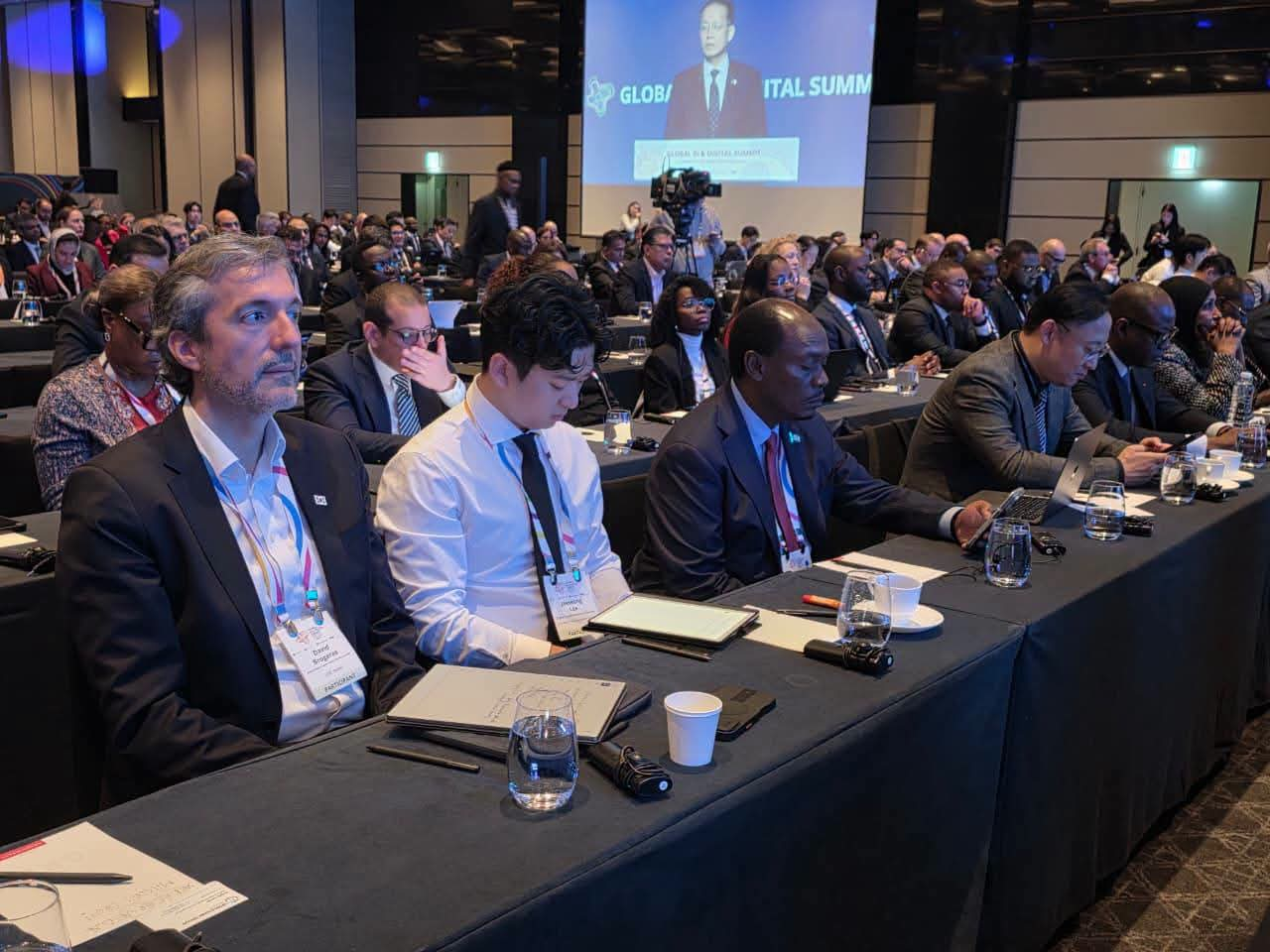
Kenya is seeking to strengthen its digital public service delivery by borrowing lessons from South Korea’s integrated government platform as the country accelerates efforts to simplify access to essential services through technology.
Information, Communications and the Digital Economy Cabinet Secretary William Kabogo held talks with South Korea’s Ministry of the Interior and Safety on the sidelines of the Global AI and Digital Summit 2026 in Seoul, focusing on the Asian country’s Government24 platform.

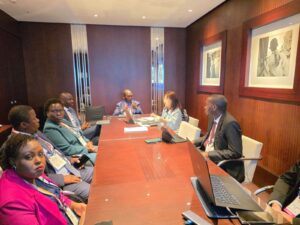
The platform provides a central online gateway through which citizens can apply for government services, track applications and obtain official documents without having to navigate multiple government offices or repeatedly submit the same information to different agencies.
The engagement is expected to inform Kenya’s ongoing efforts to strengthen eCitizen and expand the digitisation of public services, with the government seeking to make service delivery faster, more efficient and accessible to citizens regardless of their location.
Kabogo said discussions with the Korean officials covered the integration of services across government ministries, digital identity systems, secure data sharing between agencies and the application of artificial intelligence in public service delivery.
The Korean model offers lessons for Kenya as it works towards a more coordinated digital government system, where citizens can access multiple services through a single platform rather than dealing with separate departments and fragmented procedures.
An integrated system can reduce repetitive paperwork, minimise unnecessary physical visits to government offices and improve coordination among public institutions. It can also help government agencies process applications more efficiently, provided the systems are supported by reliable infrastructure, effective data protection safeguards and adequate technical capacity.
Kabogo thanked the Korean hosts for sharing their experience and expressed Kenya’s interest in applying relevant lessons to its own digital transformation agenda.
The visit formed part of Kenya’s participation in the Global AI and Digital Summit 2026, which brought together governments, development partners and technology stakeholders to discuss the role of digital infrastructure and artificial intelligence in economic development.
At the summit’s official opening, World Bank Group President Ajay Banga launched the institution’s first Digital Strategy, which targets expanding digital opportunities to one billion people by 2030.
The World Bank also announced an Artificial Intelligence Infrastructure and Readiness Initiative, initially focusing on Africa and Latin America.
The initiatives are intended to support developing economies in building the infrastructure, skills and institutional capacity required to benefit from the growing adoption of artificial intelligence and other digital technologies.
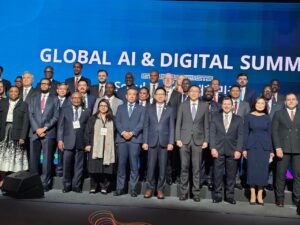
Kabogo welcomed the initiatives, saying Kenya was ready to work with international partners to translate technological advances into employment opportunities for young people and improved public services.
The government has identified digital transformation as a key pillar of its economic development agenda, with investments in connectivity, digital public infrastructure and online government services expected to support innovation, enterprise development and job creation.
Kenya is also implementing its Digital Superhighway programme and Kenya AI Strategy, which provide a framework for expanding digital access and positioning the country to take advantage of emerging technologies.
The challenge, however, will be ensuring that the benefits extend beyond major towns and established technology businesses to rural communities, small enterprises and citizens who face barriers to accessing digital services.
Affordable internet connectivity, digital literacy, reliable electricity and accessible platforms remain important considerations in efforts to ensure that digital transformation does not leave vulnerable populations behind.
The summit was preceded by an AI and Digital Ministerial Meeting in Seoul, bringing together ministers and government officials from about 60 countries.
The meeting was co chaired by South Korea’s Minister of Science and ICT, Bae Kyung-hoon, and World Bank Group Vice President for Digital and AI Kim Sang-bu.
Discussions centred on narrowing the digital divide, expanding affordable connectivity and identifying practical applications of artificial intelligence in sectors including agriculture, healthcare, education and public administration.
Participants also examined capacity building and the responsible transfer of technology to developing economies, particularly countries seeking to expand their digital infrastructure while building local expertise.
In his remarks, Kabogo outlined Kenya’s progress in digital public infrastructure, last mile connectivity and the digitisation of government services.
He also highlighted priorities under the Kenya AI Strategy and the Digital Superhighway programme, emphasising the need to harness technology to create economic opportunities and improve access to public services.
For Kenya, the discussions come at a time when governments worldwide are exploring how AI can improve productivity, support public decision-making and reduce the cost of delivering services.
However, the adoption of AI also raises questions about data privacy, cybersecurity, accountability and the preparedness of public institutions to deploy the technology responsibly.
The government’s ability to build public trust, strengthen digital safeguards and equip young people with relevant skills will be critical in determining whether investments in emerging technologies translate into broad-based economic gains.
Kabogo said Kenya would continue engaging South Korea, the World Bank Group and other development partners to advance its digital transformation priorities.
The Cabinet Secretary also used the Mashujaa Day celebrations to link Kenya’s digital ambitions with the country’s broader development and security priorities.
In his Mashujaa Day 2026 message, Kabogo paid tribute to the freedom fighters and other patriots who contributed to the country’s independence and recognised contemporary innovators and citizens shaping Kenya’s future.
He invoked this year’s theme, “Ngao Yetu, Ustawi Michezoni na Uchumi Bora” focusing on security, sports and economic prosperity and called for greater use of digital technology to strengthen security, empower young people and support an inclusive digital economy.
The message reinforced the government’s position that technology should not be viewed solely as an administrative tool but also as an instrument for economic empowerment, innovation and improved service delivery.
As Kenya pursues partnerships with countries such as South Korea and development institutions such as the World Bank, the focus will be on translating international cooperation into practical outcomes for citizens.
These include easier access to government services, wider internet connectivity, stronger digital skills and new opportunities for young people in the technology-driven economy.
The Seoul engagements therefore provide Kenya with an opportunity to draw lessons from countries that have advanced integrated digital government systems while building partnerships to support its own ambitions.
The ultimate test will be whether the initiatives produce tangible improvements in the everyday experiences of Kenyans seeking government services and create sustainable opportunities in an increasingly digital economy.