









The Government is preparing tougher laws targeting manufacturers, distributors and financiers of illicit alcohol and drug cartels as it intensifies a nationwide crackdown on dangerous alcoholic drinks linked to serious public health risks.
Deputy President Kithure Kindiki said legislative proposals had been finalised to strengthen enforcement against criminal networks involved in the production and distribution of illicit ethanol and alcoholic beverages suspected of containing dangerous chemicals.


The proposed measures will also target individuals and businesses that facilitate the operations of the cartels, in what signals an expanded government strategy aimed at dismantling the networks rather than merely arresting their operatives.
A key component of the crackdown will be a legal framework to facilitate the seizure, forfeiture and confiscation of assets and funds traced to illicit alcohol and drug trafficking.
The Government intends to use the measures to cripple the financial capacity of the criminal networks, cutting off the resources that sustain their operations.
According to the Deputy President, proceeds recovered from confiscated assets and funds will be channelled towards the rehabilitation of people battling addiction, linking enforcement with efforts to address the social and health consequences of substance abuse.
The announcement came as the Government reported intensified enforcement operations, with intelligence led, multi agency teams conducting nine successful raids targeting illicit ethanol and another 116 operations against illicit brews during the preceding 10 days.
The operations are part of a broader campaign to eliminate alcoholic drinks manufactured outside established public health and quality standards, amid concerns over the circulation of potentially toxic products.
The latest figures point to an escalation of enforcement efforts, with authorities seeking to disrupt the supply chains that enable illegal manufacturers and distributors to reach consumers.
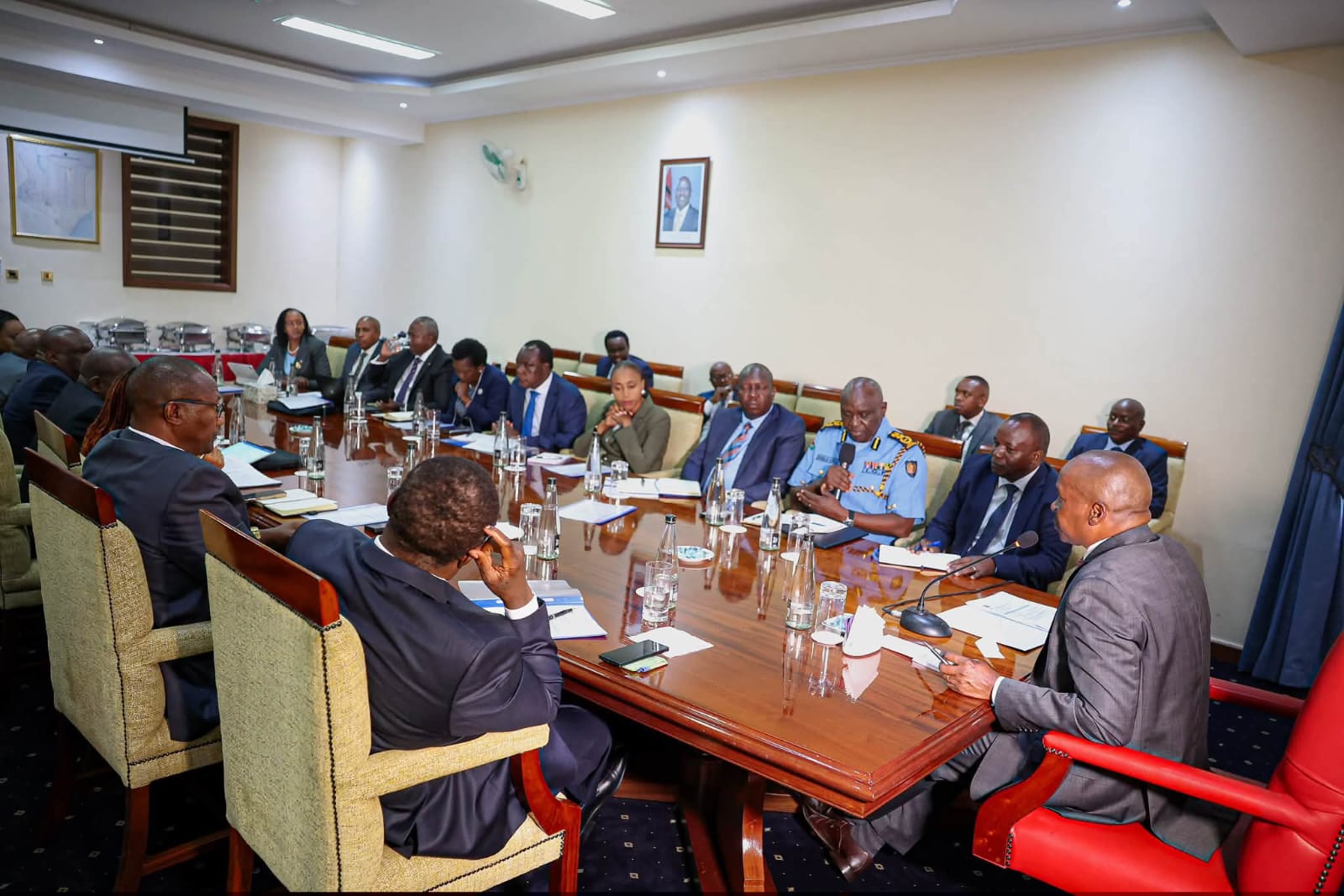
Kindiki received updates on the crackdown and deliberated on additional measures with the Inspector General of Police, the Director of Public Prosecutions, representatives of the Council of Governors, relevant Principal Secretaries and heads of government agencies during a meeting in Karen, Nairobi, on Wednesday.
The meeting focused on strengthening coordination between institutions responsible for detecting, investigating and prosecuting offences related to illicit alcohol and drugs.
A permanent coordination mechanism bringing together State agencies and the national government has already been established at Harambee House Annex to improve the planning and execution of enforcement operations.
The arrangement is intended to address gaps that can undermine the fight against organised criminal networks, including fragmented operations, weak information sharing and difficulties in tracing the financial interests behind illicit trade.
The Government is also seeking to strengthen collaboration between national and county authorities, recognising the role of local administrations in identifying illegal manufacturing sites, distribution points and businesses suspected of facilitating the trade.
A framework for engaging local communities in the campaign is expected to be released next week.
The proposed framework is expected to provide a structured approach to community participation in identifying and reporting illicit alcohol production and distribution, while strengthening cooperation between residents and enforcement agencies.
Authorities are also pursuing a regulatory approach that distinguishes illegal products from traditional alcoholic beverages that can meet established quality and safety requirements.
Kindiki said traditional brews that comply with Kenya Bureau of Standards requirements would be formalised and licensed, potentially bringing compliant producers into a regulated system while allowing enforcement agencies to concentrate on illegal operations.
The approach signals an effort to balance public health protection and law enforcement with the regulation of traditional brewing, which remains an important source of livelihood in some communities.
However, the success of the proposed measures will depend on effective implementation, consistent enforcement of quality standards and the ability of investigative agencies to establish the responsibility of manufacturers, distributors and financiers involved in illegal trade.
The Government’s latest strategy places financial investigations and asset recovery alongside raids and criminal prosecutions, reflecting an effort to target the economic foundations of illicit alcohol and drug networks.
By seeking to confiscate the proceeds of crime and redirect recovered resources towards addiction rehabilitation, the administration is positioning the crackdown as both a law enforcement intervention and a public health response.
The coming weeks are expected to test the Government’s ability to translate the proposed legislation, strengthened inter agency coordination and community engagement framework into sustained action against illicit alcohol and drug trafficking.