









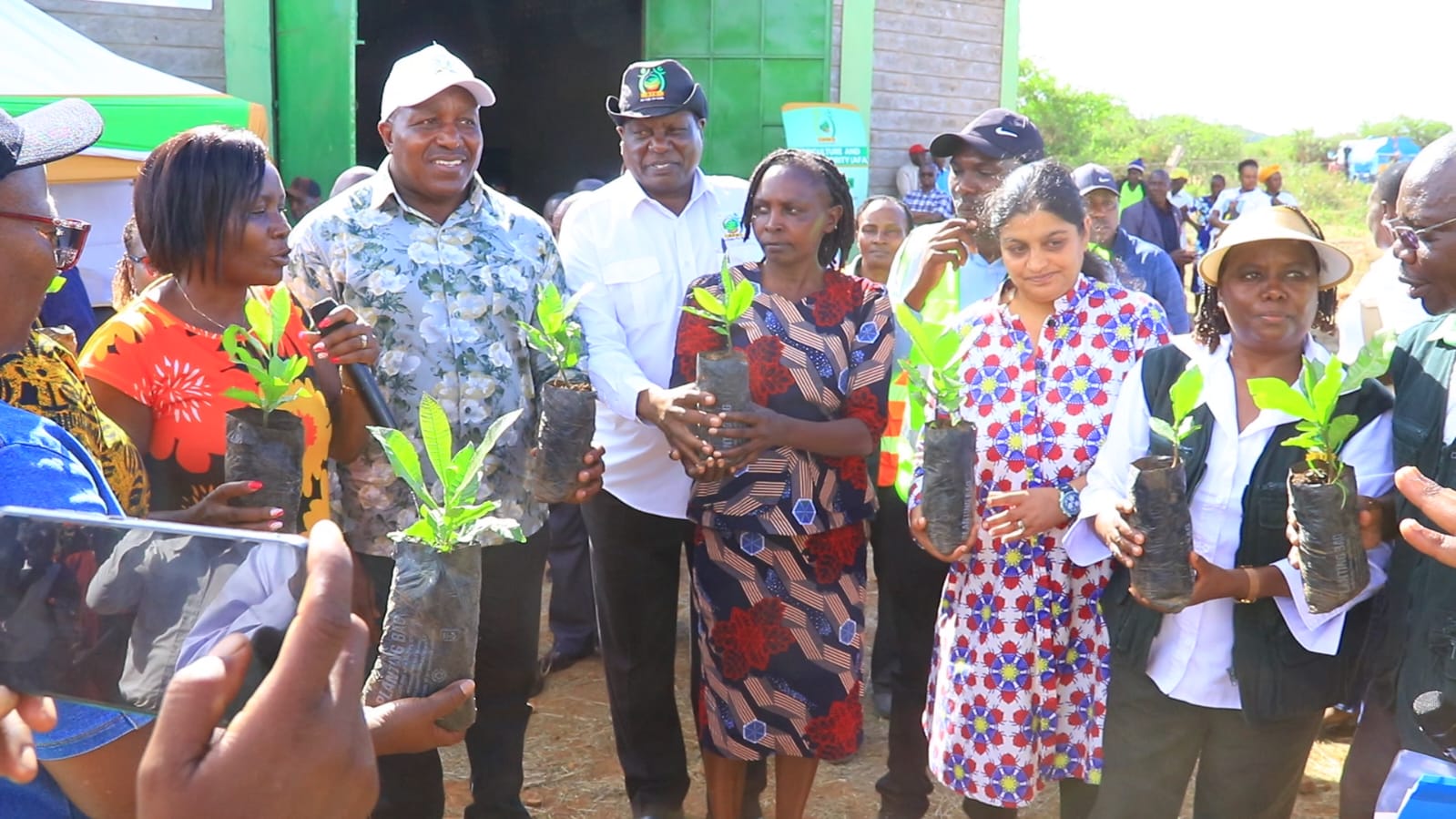
The government has rolled out a Sh400 million programme to distribute genetically modified cotton seeds to farmers in seven counties in a fresh push to revive Kenya’s struggling textile industry.
The initiative, spearheaded by the Agriculture and Food Authority (AFA) in partnership with Thika Cloth Mills, targets farmers in Embu, Tharaka Nithi, Meru, Kirinyaga, Machakos, Makueni and Kitui counties.
The distribution comes ahead of the anticipated El Niño rains, with the government and private sector players banking on improved seed varieties, better prices and guaranteed markets to increase cotton production.
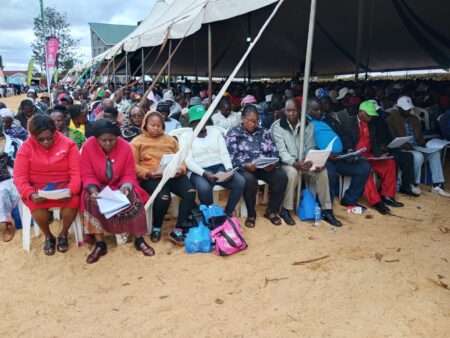
Farmers in Mbeere North, Embu County, have welcomed the programme, saying the free seeds will lower production costs and encourage more households to return to cotton farming.
In Mutuobare, Kiambere Ward, farmers Francis Runje and Joseph Nyagah said the intervention would ease the financial burden that has kept many small scale growers away from the crop.
The farmers noted that a kilogramme of Bt cotton seed had previously cost about Sh4,000, making it difficult for them to acquire enough planting material.
They said the improved variety matures in about three months, compared with six months for conventional cotton, while producing more bolls and offering greater resistance to destructive pests.
The farmers said the shorter growing period and improved yields could translate into better incomes, particularly if they planted early and took advantage of the expected rains.
They urged other growers to embrace cotton farming, saying the government’s intervention had renewed their confidence in the crop.
Thika Cloth Mills chief executive officer Tejal Dhodhia said Kenya’s cotton industry was showing signs of recovery after years of declining production that had forced local textile manufacturers to rely heavily on imported raw materials.
Dhodhia said her company had previously sourced cotton from Uganda and Tanzania to sustain its manufacturing operations due to inadequate local supplies.
However, she attributed the renewed interest in cotton farming to sustained efforts to promote locally manufactured products and government interventions aimed at improving farmers’ earnings.
She said President William Ruto’s directive to increase the cotton purchase price from Sh52 to Sh72 per kilogramme had encouraged farmers who had abandoned the crop to resume production.
The increased output has created optimism among industry players, with stakeholders now exploring opportunities to export surplus cotton.
Dhodhia said she had personally invested in supporting farmers through the purchase and distribution of cotton seeds and pesticides, adding that the government’s latest intervention would ease the financial pressure on private investors.
She assured farmers that Thika Cloth Mills and other industry players were ready to purchase their cotton at Sh72 per kilogramme.
“We want farmers to grow cotton with confidence, knowing that there is a market for their produce,” she said.
Dhodhia urged farmers to plant early and adopt proper crop management practices to maximise yields, warning that the success of the programme would depend on how effectively growers utilised the available support.
She also called on Kenyans to support the Buy Kenya, Build Kenya initiative, saying the consumption of locally manufactured products was critical to sustaining industries and creating jobs.
The textile manufacturer cited government contracts to produce uniforms for the Kenya Defence Forces, National Youth Service and National Police Service as evidence of the economic opportunities created through local procurement.
Dhodhia said strengthening the link between cotton farmers and domestic textile manufacturers would establish a sustainable value chain, from farms to factories, while reducing reliance on imported raw materials.
Embu Governor Cecily Mbarire welcomed the partnership between the national government and private investors, urging farmers in Mbeere North and other cotton growing areas to take advantage of the free seeds and available market.
She pledged that her administration would work with the national government and private sector players to strengthen agricultural production and improve rural livelihoods.
Mbarire said cotton farming had the potential to become a major economic driver in the region, particularly if farmers embraced improved varieties and planted in time for the rains.
The renewed investment in cotton production comes as the government seeks to rebuild the country’s textile industry, which has struggled with inadequate local raw materials and competition from imported products.
Stakeholders say expanding cotton production could improve farmers’ incomes, create employment in textile factories and strengthen Kenya’s manufacturing sector.
The success of the initiative, however, will depend on sustained access to quality seeds, reliable markets, competitive prices and effective coordination between farmers, government agencies and textile manufacturers.