




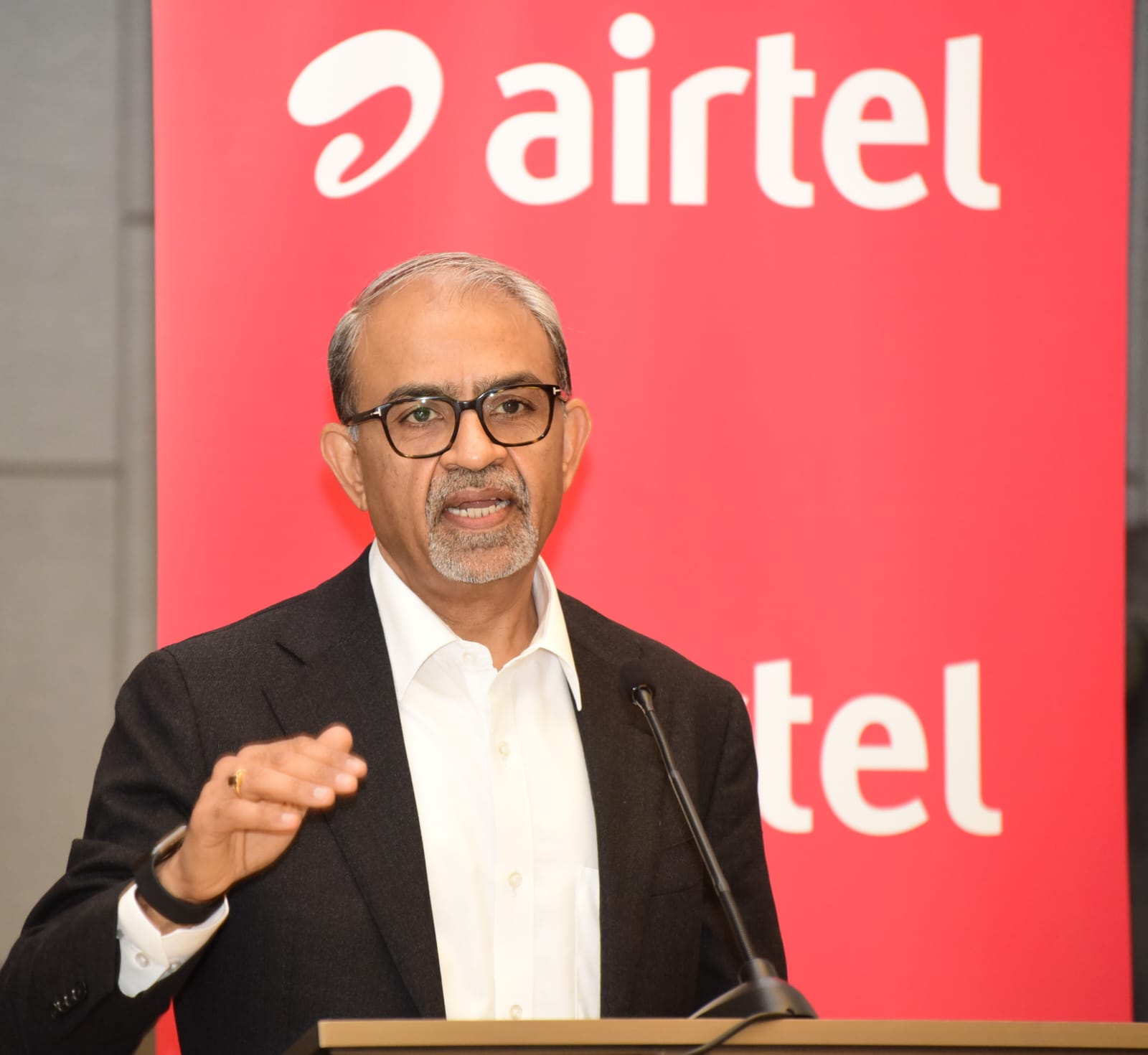
Airtel Africa has posted a 20.5 per cent increase in profit after tax to $452 million for the six months ended September 30, 2026, buoyed by rising demand for data services and mobile money across its 14 African markets.
The telecommunications group reported revenue of $3.82 billion, representing a 28.2 per cent increase from the previous year. In constant currency terms, revenue grew by 20.8 per cent, reflecting sustained uptake of mobile connectivity and digital financial services.
Underlying earnings before interest, taxes, depreciation and amortisation (EBITDA) rose by 23.5 per cent in constant currency to $1.92 billion, underscoring the group’s operational resilience amid rising costs.
The performance was supported by growth across all three operating regions, with Nigeria leading at 27 per cent, followed by Francophone Africa at 19.2 per cent and East Africa at 18.2 per cent.
Data services remained a major contributor to the group’s expansion, with revenue increasing by 28 per cent in constant currency to $1.57 billion.
The growth was driven by a 15 per cent increase in data subscribers to 89.9 million, alongside rising smartphone adoption. Smartphone penetration reached 51.6 per cent, while average monthly data consumption per smartphone customer climbed to 13.3 gigabytes, from 10.1GB a year earlier.
Airtel’s mobile money business also recorded strong growth, with revenue rising by 25.8 per cent in constant currency to $840 million.
The number of mobile money customers increased by 22.4 per cent to 60.9 million, supported by expanding distribution networks and growing adoption of digital payments and financial services.
The annualised value of transactions processed reached $275 billion in the second quarter, marking a 36.5 per cent increase.
Overall, Airtel Africa’s customer base expanded by 11.6 per cent to 193.9 million, reflecting growing demand for telecommunications and financial services across the continent.
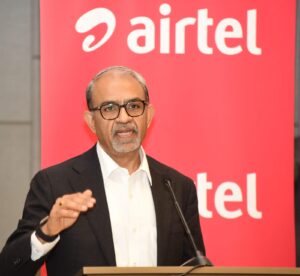
Chief executive Sunil Taldar said the group’s performance demonstrated the strength of its business model and the growing opportunities in Africa’s digital economy.
He described the recent initial public offering (IPO) of Airtel Money as a significant milestone, noting that the group retained its shareholding and remained a long term strategic investor in the business.
Taldar said Airtel was accelerating network investment to expand capacity and improve service quality, positioning the company to benefit from future growth.
Despite rising fuel costs, the group achieved a record underlying EBITDA margin of 50.4 per cent in the second quarter, supported by cost control measures, operational efficiency and economies of scale.
He said Airtel was also increasingly deploying artificial intelligence to improve customer experience, detect fraud, enhance innovation and streamline operations.
Taldar expressed confidence in the group’s long term prospects, citing favourable demographics, rising smartphone adoption and growing demand for digital financial services.
He said Airtel would continue leveraging its network, distribution channels and customer relationships to expand financial inclusion and create sustainable shareholder value.