




Senior citizens in Kiambu County are urging the government to provide free medical care, warning that soaring treatment costs and expensive medications are leaving critical healthcare out of reach for many older residents.
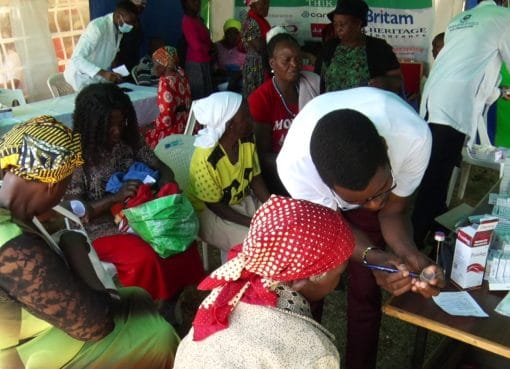
Their plea was raised during a community health outreach event hosted by Zetech University at its Mang’u Campus to observe the International Day of Older Persons. The initiative provided free clinical consultations, treatments, and prescription drugs to over 300 elderly attendees.
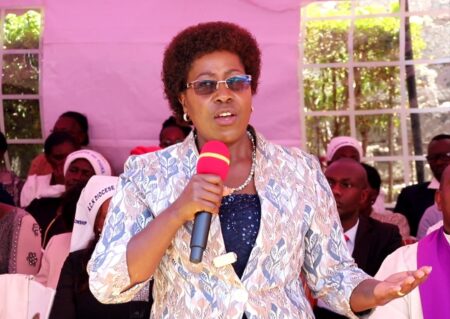
Speaking on behalf of the beneficiaries, Habib Saibulu expressed gratitude for the temporary relief provided by the university camp, but emphasized that long-term challenges remain. He noted that high healthcare expenses prevent many senior citizens from receiving consistent medical attention.
Many older residents live on extremely low incomes, often forced to make painful choices between purchasing food or paying for essential medical care. Saibulu added that several elderly individuals have either not enrolled in the Social Health Authority (SHA) scheme or struggle to maintain the required premium payments, severely limiting their access to routine medical services.
In addition to state support, the seniors appealed to their adult children working in urban centers not to abandon them. They highlighted a growing concern over financial neglect and emotional isolation, as many aging parents are left without adequate support after their children relocate to major towns and cities.
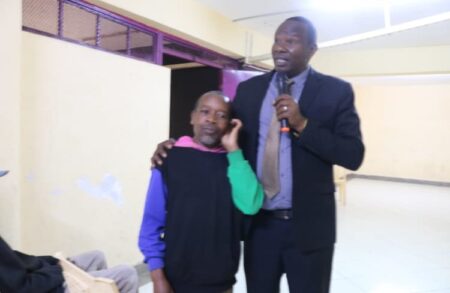
Zetech University Vice-Chancellor, Prof. Njenga Munene, reaffirmed the institution’s dedication to assisting vulnerable populations through community outreach. He explained that organizing the medical camp reflects the university’s mission to address local needs while shedding light on the socio-economic and health challenges facing the elderly.
During the single-day event, medical personnel treated common conditions such as hypertension, diabetes, arthritis, and other age-related illnesses. Patients identified with severe or complex conditions were formally referred to specialized health facilities for further management.