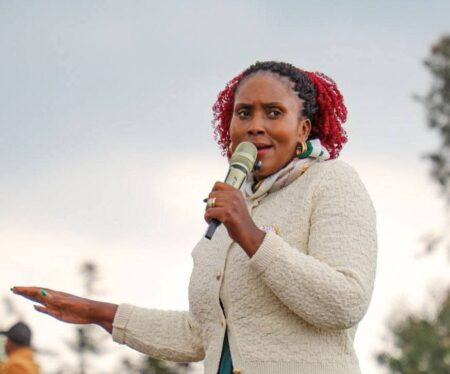




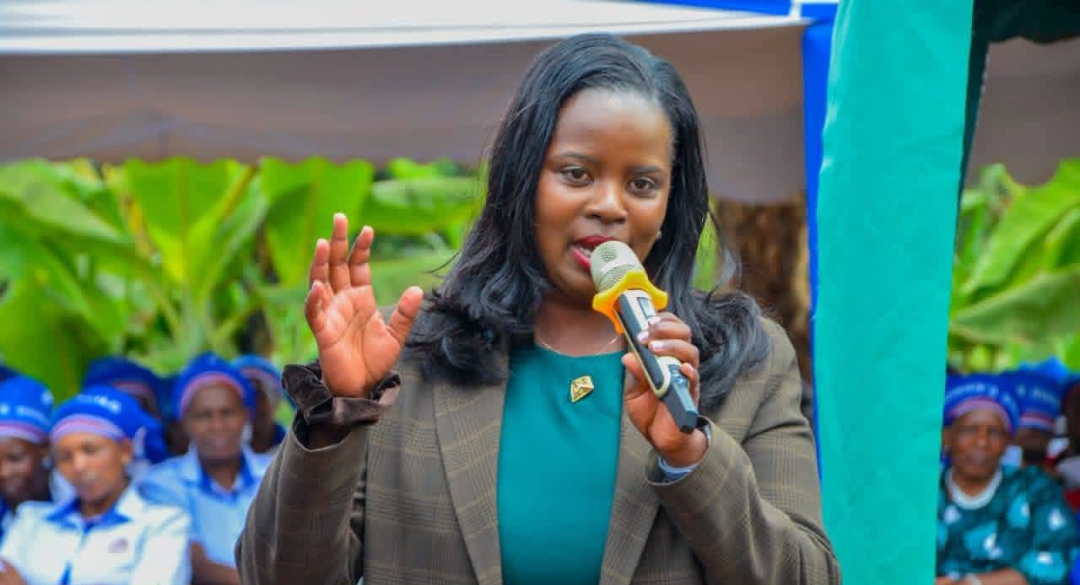
A fresh push for greater attention to endometriosis, maternal health and reproductive rights has emerged, with Kiambu County women’s representative aspirant Wakili Phylis Wangui speaking publicly about her own long and painful battle with the chronic condition.
Ms Wangui, who says she has lived with endometriosis since she was 24, wants Kenya to strengthen its health system to provide affordable diagnosis, treatment and long-term care for women living with the disease.
Speaking about her experience, Ms Wangui described endometriosis as a debilitating condition that has affected virtually every aspect of her life, including her ability to work.
“I suffer from endometriosis. I am an endometriosis warrior. I have had endometriosis since I was 24,” she said.
“I have struggled with it all my life. I continue to struggle with it. It is a chronic disease.”
Her account comes amid growing public conversations about the condition, which affects millions of women worldwide but is frequently diagnosed late, leaving patients to endure years of severe pain and other complications.
Endometriosis is a chronic condition in which tissue similar to the lining of the uterus grows outside the uterus, commonly around the ovaries, fallopian tubes and pelvic tissues.
The tissue can respond to hormonal changes during the menstrual cycle, causing inflammation, bleeding and the formation of scar tissue and adhesions.
The condition can cause severe and persistent pain and, in some women, fertility problems.
While endometriosis is not currently considered curable, its symptoms and effects can be managed through medication, hormonal treatment, surgery and other forms of supportive care. Treatment is usually tailored to the severity of the disease, symptoms and a woman’s plans regarding fertility.
One of the most common symptoms is severe menstrual pain that may interfere with normal daily activities.
Other symptoms can include chronic pelvic pain, pain during or after sexual intercourse, painful bowel movements or urination, particularly during menstruation, heavy or irregular menstrual bleeding, bloating, fatigue and gastrointestinal symptoms.
Some women may also experience difficulty becoming pregnant.
Ms Wangui said the condition has brought her repeated medical procedures and enormous financial and emotional costs.
She estimates that she has undergone about six surgeries during her years of battling the disease.
“It involves a lot of surgeries. The cost of managing endometriosis is so expensive because you need multiple surgeries. The hormonal treatments are expensive as well,” she said.
For some patients, treatment may involve painkillers, hormonal medicines that suppress or regulate the hormonal stimulation of endometriosis, and surgery to remove endometriosis lesions or adhesions. In severe cases, repeated procedures may be necessary.
Ms Wangui said the pain became so severe that she was unable to work and eventually lost her job.
“I lost my job. I have told this story before,” she said, describing her experience as a painful journey that she has yet to fully narrate.
Beyond the physical pain, endometriosis can have profound implications for fertility.
The condition may affect the ovaries, fallopian tubes and surrounding tissues, while adhesions and inflammation can make conception more difficult for some women.
For patients experiencing infertility, treatment may include fertility assessment, surgery in selected cases and assisted reproductive technologies such as in-vitro fertilisation (IVF), depending on individual circumstances.
Ms Wangui said reproductive health must no longer be treated as an issue that can be pushed to the margins of Kenya’s healthcare debate.
“Reproduction is not a backstory. It is the main story,” she said.
She linked the endometriosis debate to broader questions about maternal health, infertility treatment and access to reproductive healthcare.
Ms Wangui said women suffering from chronic reproductive health conditions should have access to specialists, medicines, diagnostic services and other interventions without being pushed into financial hardship.
She also called for consideration of a menstrual leave policy that would allow women suffering debilitating menstrual symptoms to take time away from work without being unfairly penalised.
“We need a menstrual leave policy that allows people to stay home when they are not feeling well and to enable women to work,” she said.
She said her personal experience had strengthened her resolve to make reproductive health and women’s rights central to her political agenda.
“As a woman leader, I want to go to office because I understand in detail what an endometriosis patient is going through,” she said.
She added that her advocacy would extend to maternal health, IVF, infertility and fertility treatment, as well as the broader healthcare needs of women living with chronic diseases.
Doctors emphasise that there is no single treatment that works for every endometriosis patient.
Depending on the symptoms and severity of the disease, treatment may include pain-relieving medicines, hormonal therapy and surgery. Hormonal treatment can reduce or suppress the hormonal stimulation that contributes to symptoms, while surgery may be used to remove endometriosis tissue and adhesions.
For women struggling with infertility, fertility specialists can help determine the most appropriate approach.
Importantly, severe menstrual pain should not simply be dismissed as a normal part of being a woman. Persistent or disabling pain warrants medical assessment, particularly when it interferes with work, education, relationships or everyday life.
Ms Wangui also expressed solidarity with women currently battling the condition, saying many had suffered silently because of inadequate public awareness and limited access to specialised care.
She singled out Natalie Githinji a radio presenter, who she said was receiving treatment in hospital, saying her situation reminded her of her own experiences.
“My heart goes out to Natalie Gedenji who is unwell and in hospital. That is a journey I myself have travelled,” she said.
She welcomed the increasing number of young women speaking openly about endometriosis, saying public discussion was important in breaking the stigma surrounding reproductive health conditions.
“For so many women who have suffered in silence, it is time to address endometriosis, maternal health and reproductive health rights,” she said.
Ms Wangui said Kenya must move beyond awareness campaigns and translate the growing conversation into concrete reforms, including better access to doctors, diagnostic services, medicines and financial support for patients.
“The fight has just started,” she said, thanking both women and men supporting the cause.
Her message is that endometriosis should no longer be treated as a private burden for individual women to endure alone, but as a public health issue requiring sustained investment, policy attention and accessible healthcare.
For thousands of women living with debilitating menstrual pain, infertility and other complications, the emerging campaign represents a demand to be heard—and, more importantly, treated.