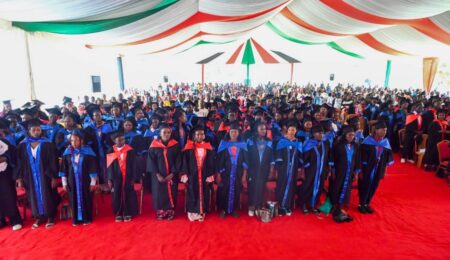


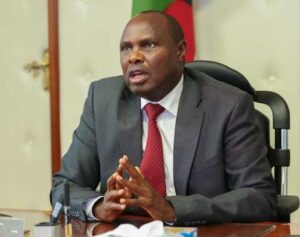







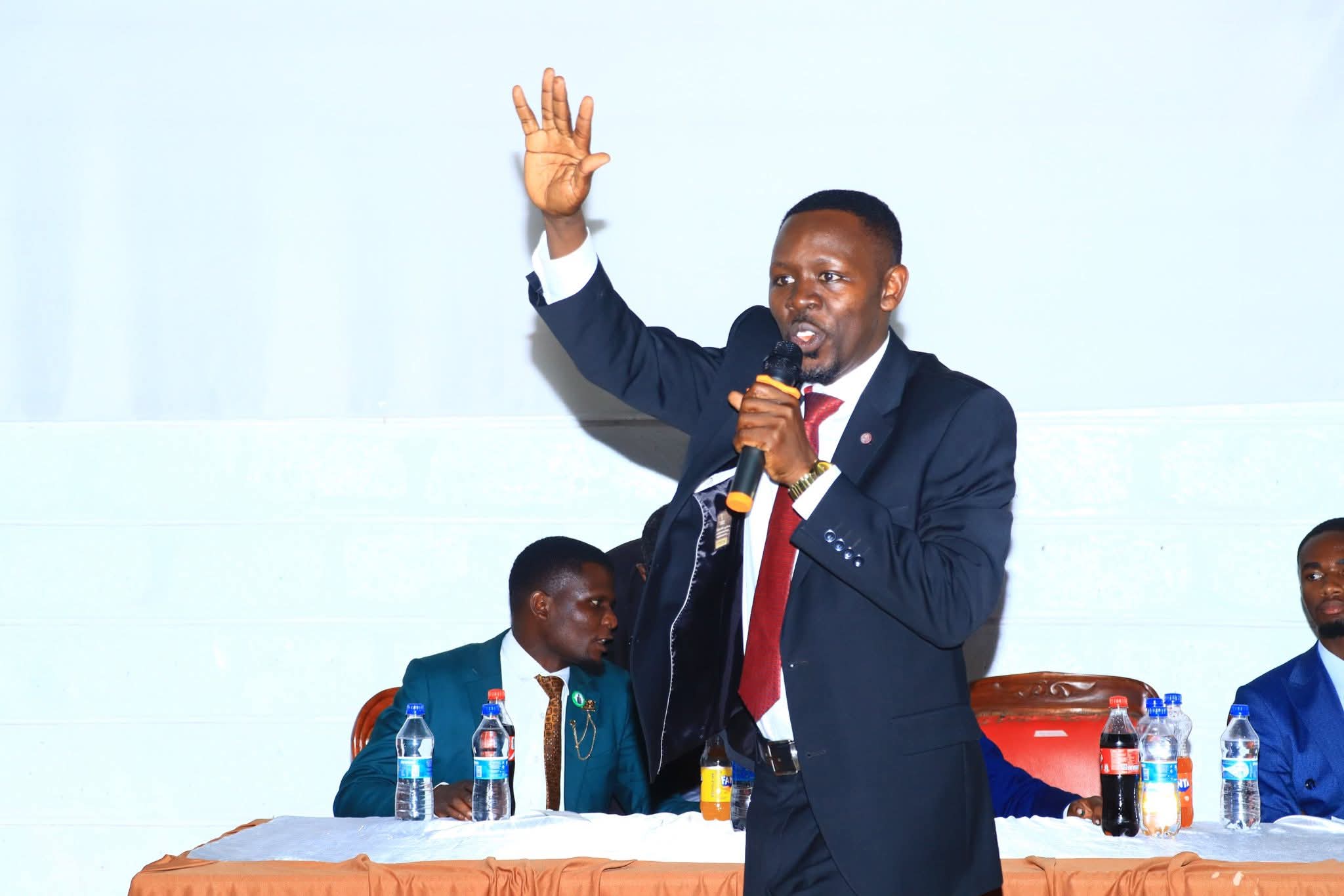
Student leaders from various universities have called on the government to involve learners in developing the proposed new higher education funding model, arguing that past reforms have largely failed because the beneficiaries were excluded from the decision-making process.
The appeal comes just days after President William Ruto announced that the government was working on a plan to make tertiary education fully free, raising expectations among students over how the new financing framework will be structured and implemented.
Speaking during a youth leadership forum in Thika, leaders from Kenyatta University, Mount Kenya University and Jomo Kenyatta University of Agriculture and Technology (JKUAT) said student participation would be critical in designing a transparent, fair and sustainable funding model capable of addressing the challenges that have plagued previous systems.
The leaders, among them Kenyatta University Students Association President Samuel Thuku and University of Nairobi student leader Wazi Maina, maintained that meaningful consultation would enhance public confidence in the reforms and increase the chances of successful implementation.
“The government should cease placing students in diverse bands on the basis of their parents status. You find that many parents with about two to three children in higher learning institutions are struggling to raise fees. This is why we want to be included in the policy making process and the entire process of the new funding model,” Thuku said.
The student leaders took issue with the government over delayed release of capitation funds to institutions of higher learning noting that many universities are grappling with debts amounting to billion of shillings.
“Instead of complicating higher education further and jeopardising education for many students the country, let the government first deal with the issue capitation and release the funds to all requisite universities,” Ms Maina said.
The forum also shifted focus to the country’s growing youth unemployment crisis, with Kiambu gubernatorial hopeful John Mwaura urging the government to accelerate industrialisation as a long-term solution to graduate unemployment.
Mwaura called for policies that promote investment and expand Kenya’s manufacturing sector, saying the economy must create more opportunities to absorb the thousands of graduates entering the labour market every year.
“We must prioritize industrialization as a nation because it is the surest way of creating job opportunities for thousands of skilled youths that out institutions of higher learning churn out every year,” Mwaura said.
He advocated for lower taxes, incentives and subsidies for both local and foreign investors, alongside business-friendly policies aimed at attracting more manufacturing firms into the country.
The student leaders supported the proposal, saying increased industrial investment would not only create employment opportunities for young people but also help tackle rising poverty, crime and mental health challenges linked to prolonged unemployment.
“You find that it’s only 10 percent of graduates who secure employment upon graduation. What happens to the 90 percent? The government must be so deliberate on industrialization to create jobs for the youths,” Thuku said.
Their appeal comes as Kenya continues to grapple with a widening gap between the number of graduates produced annually and available employment opportunities.
The country produces an estimated 50,000 to 60,000 university graduates every year from public and private institutions, with total university enrolment exceeding 628,000 students.
At the same time, more than one million young people join the labour market annually, placing increasing pressure on an economy that has struggled to create enough formal jobs.
While Kenya’s official unemployment rate stands at about 5.45 per cent, youth unemployment and underemployment remain significantly higher, leaving many graduates unable to secure jobs that match their qualifications.