









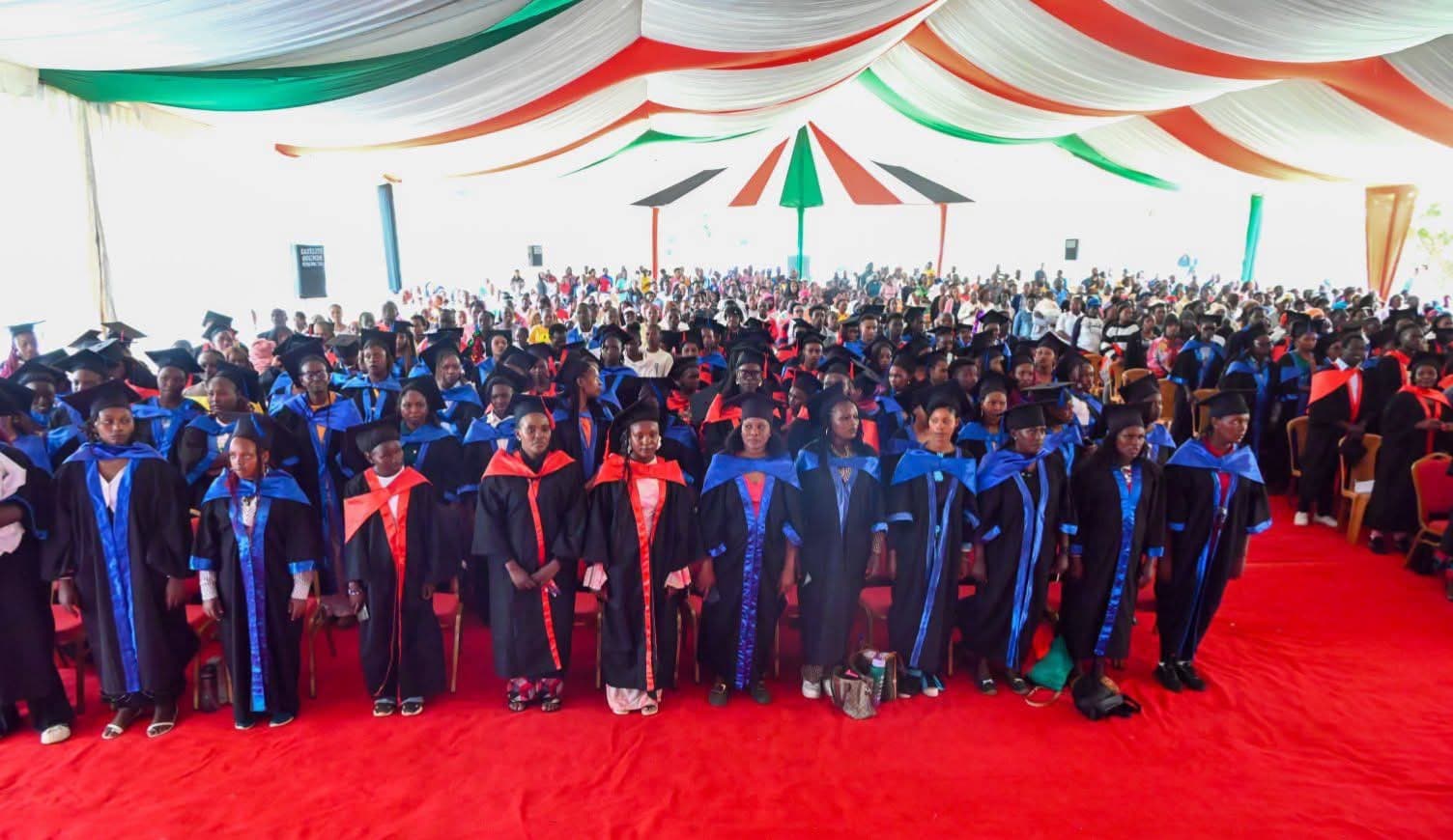
Five hundred young people have graduated after completing short-term technical and vocational courses supported through the National Government Affirmative Action Fund (NGAAF), marking a significant step in efforts to equip youth with practical skills for employment and self-employment.
The graduands trained in hairdressing and beauty, cosmetology and plumbing, disciplines that offer opportunities for entrepreneurship and direct entry into the labour market.

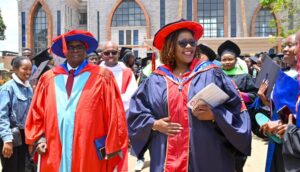
The graduation ceremony, held in Kiambu, brought together the trainees, their families, trainers and supporters to celebrate the completion of their courses and encourage the graduates to turn their newly acquired skills into sustainable livelihoods.
The programme was supported through NGAAF under the patronage of Anne Wamuratha, whose initiatives have focused on widening access to opportunities for young people and other members of the community.
Addressing the graduands, Reverend Captain Elijah Mbuthia challenged them to view the graduation not as the end of their journey but as the beginning of a new phase in which they must apply their skills to solve real-life problems.
“You move from the classroom to the marketplace,” he told the graduates, stressing that the world of work demands initiative, creativity and resilience.
Mbuthia noted that while some of the graduates would secure formal employment, others could establish businesses or offer their services within their communities.
He urged them not to underestimate themselves or dismiss modest beginnings.
“Do not despise small beginnings. Start from somewhere,” he said, encouraging the graduates to have confidence in their abilities and remain committed to improving their skills.
The cleric also reminded the young people that their certificates should not simply be kept as proof of training but used as tools for building livelihoods.
He cited the biblical exhortation in 1 Timothy 4:14 against neglecting one’s gift, urging the graduands to identify and develop their talents rather than allow fear, rejection or lack of immediate opportunities to discourage them.
“Your certificate is not just paper. It is a tool,” he said.
The message resonated with the broader objective of skills-development programmes, particularly at a time when many young people face intense competition for limited formal employment opportunities.

Training in areas such as beauty therapy, cosmetology and plumbing can provide alternative routes into the economy, allowing young people to work independently, establish small enterprises or gain experience that can lead to further opportunities.
Mbuthia further urged the graduates not to allow their age to become a barrier to pursuing their ambitions.
He encouraged them to believe in themselves, embrace their abilities and remain open to learning as they transition from training institutions into the wider economy.
The ceremony also carried a strong message of gratitude, with prayers offered for the graduates, their families, trainers and mentors who supported them throughout their training.
The Reverend prayed for wisdom, courage, determination and humility for the graduates as they embark on the next stage of their lives.
He also urged them to use their knowledge and skills to improve not only their own circumstances but also those of their families and communities.
For the 500 graduands, the ceremony represented more than the awarding of certificates. It marked the culmination of training and the beginning of the challenge of converting skills into income, employment and enterprise.
The graduation comes amid growing emphasis on technical and vocational education as a pathway for young people seeking practical alternatives to traditional academic and formal employment routes.
With their training now complete, the graduates face the crucial next step: translating classroom instruction into viable businesses, jobs and services that can contribute to household incomes and the wider local economy.
The organisers congratulated the 500 graduands and urged them to make use of the opportunity created by the training by remaining disciplined, innovative and determined to succeed.
For many of them, the next chapter will be defined not by the certificates they received, but by what they do with the skills those certificates represent.