






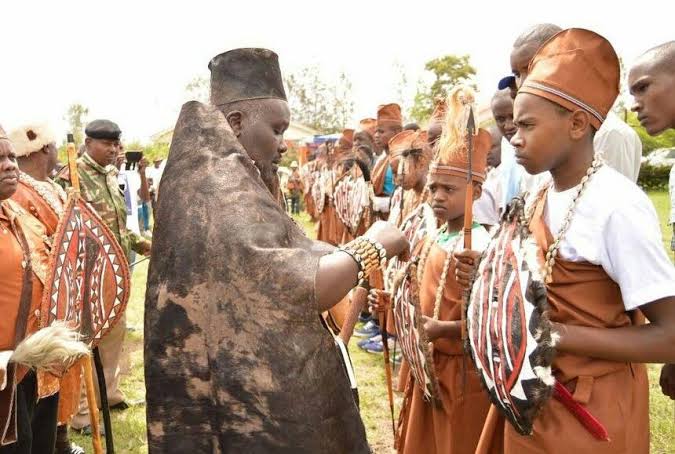
In Kikuyu culture—and across many communities in Kenya—the circumcision rite of passage (Irua) represents a monumental bridge between childhood and manhood. Historically, boys undergo mentorship, physical healing, and deep teachings on civic duty, respect, and independence. However, teenagers living with intellectual and developmental disabilities have frequently been marginalized or omitted from these rites due to stigma, lack of adaptive mentorship structures, or societal misconceptions.
Recognizing that these young men share the same biological maturity, social needs, and rights to cultural identity as their neurotypical peers, local elders, faith leaders, and disability advocates in Utugi, Ndeiya, have pioneered an inclusive model. By tailoring life-skills education, emotional guidance, and cultural mentorship to their unique learning styles, the community is restoring dignity to these young men, empowering them to transition into adulthood with pride, independence, and communal support.
As the year draws to a close, preparations for the traditional rite of passage marking the transition from boyhood to manhood are reaching full swing.
In an inspiring collaborative effort, elders from Kiama Kia Ma and local church leaders have joined forces to ensure an inclusive experience. This year, special focus is being directed toward teenage boys with intellectual disabilities—a group that has historically faced exclusion from such cultural milestones.
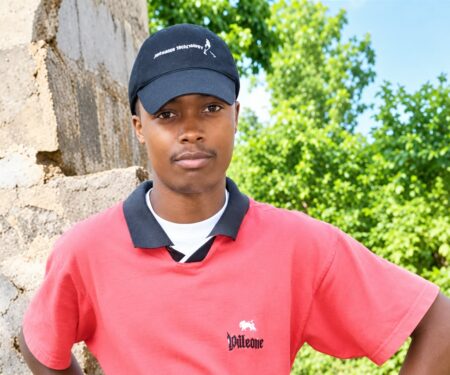
In Utugi village, Ndeiya, dedicated organizers are preparing a group of neurodivergent boys to undergo the rite alongside their peers, affirming their right to celebrate this vital life transition.
Acknowledging the unique needs of these teenagers, facilitators are offering tailored guidance and mentorship. This personalized approach helps the boys comprehend the transition process while fostering a sense of belonging among their age-mates.
According to Program facilitator known as Beatrice W she highlighted that the boys are being carefully guided through the physical and emotional changes of adolescence, preparing them for what lies ahead in adulthood.
On her part the program director, emphasized that practical life skills form the core of the initiative, aiming to foster self-reliance and responsibility among the participants. Beyond cultural traditions, the program promotes holistic development—nurturing the boys’ physical, social, and emotional well-being while encouraging them to pursue education and know their rights.
As celebration day approaches, these young men are preparing to join their peers, ready to be welcomed and celebrated as valued members of their community.