









Religious leaders have called on Kenyans to exercise greater caution when embracing religious teachings, warning that ignorance of the Bible is exposing believers to manipulation, exploitation and dangerous doctrines that have claimed lives.
The clerics urged Christians to cultivate a personal culture of reading and understanding scriptures rather than relying entirely on interpretations by religious leaders, some of whom they accused of twisting biblical teachings to advance personal interests.
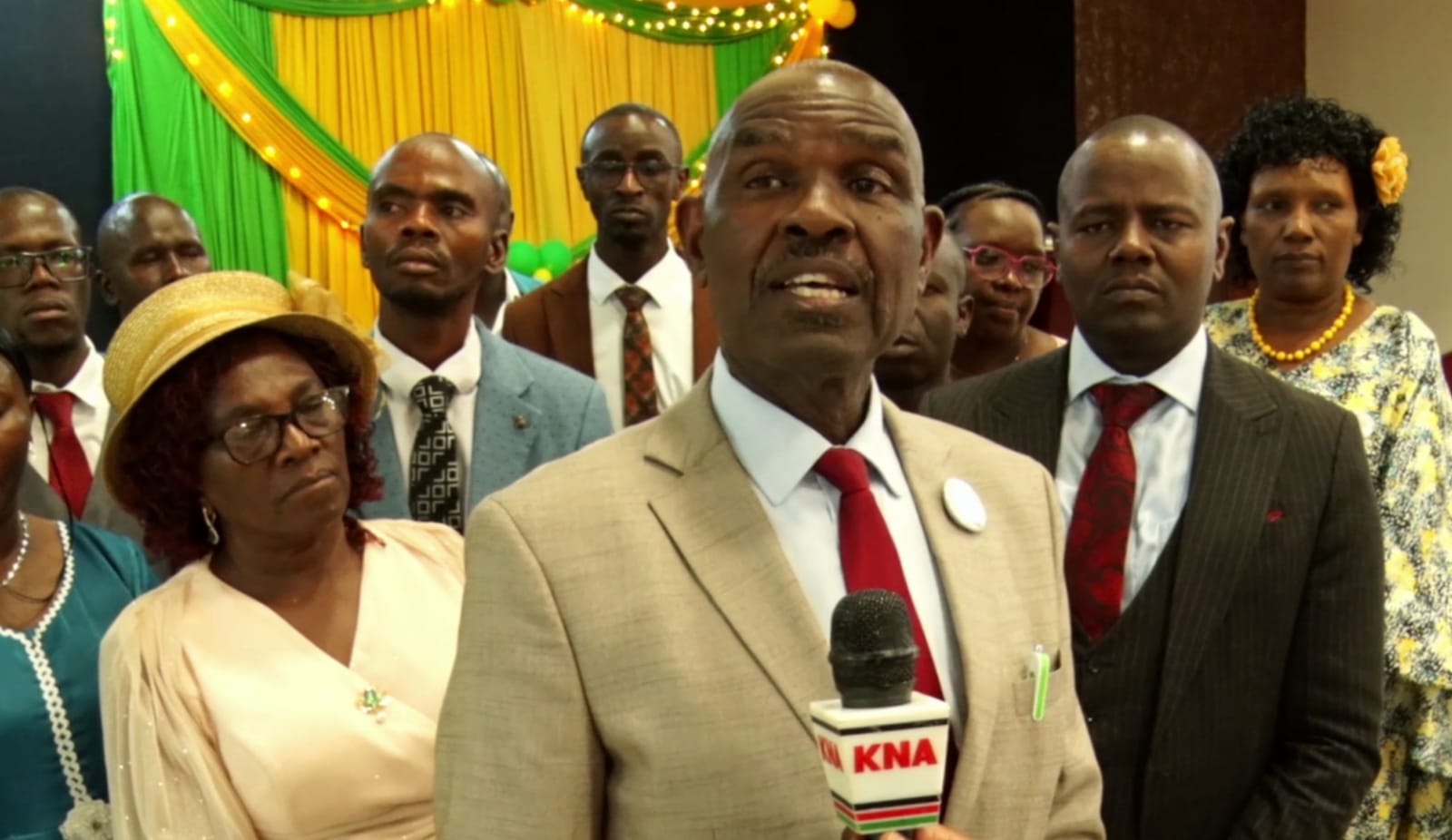
Speaking in Nairobi during the Celebration of the Word Feast Ministry, the religious leaders, led by Consistent Bible Reading (CBR) founding director Jasper Gitonga, said greater biblical literacy was essential in protecting worshippers from religious extremism and fraudulent spiritual practices.
Gitonga regretted the loss of lives in the Shakahola tragedy, saying the deaths could have been prevented if followers had possessed sufficient biblical knowledge to question teachings that contradicted the fundamental principles of Christianity.
He said the absence of critical engagement with scriptures had created an environment in which some preachers could manipulate believers through fear, false promises and distorted interpretations of the Bible.
Gitonga said he had embarked on a mission to establish free Consistent Bible Reading courses in Kenya and beyond to encourage daily engagement with scriptures and empower believers to distinguish authentic biblical teachings from deception.
He warned that the growing appetite for instant wealth and miraculous breakthroughs was being exploited by religious groups that demand money or encourage followers to purchase particular products in exchange for promised blessings.
The cleric challenged Kenyans to question religious leaders who commercialise miracles and prosperity, arguing that genuine biblical teachings emphasise diligence, responsibility and hard work.
“If that were true, that someone could manufacture a miracle and create wealth out of nothing, then nobody would need to work. Those are just false prophets. The scriptures teach us to work hard, and the Lord blesses the work of our hands,” said Gitonga.
His concerns were supported by fellow religious leaders Edward Munguti and Staus Etemesi, who warned that some preachers were inventing biblical quotations and presenting them as scripture to deceive unsuspecting followers.
They urged Christians to develop the habit of reading the Bible independently instead of accepting every interpretation presented from the pulpit without scrutiny.
Bishop Phylis Githaiga said ignorance and inadequate understanding of scripture had contributed to the vulnerability of believers to dangerous cults, urging Christians to take personal responsibility for understanding their faith.
The leaders also backed government initiatives aimed at addressing religious extremism and regulating harmful religious practices, saying freedom of worship should not be used as a licence to exploit believers or endanger human life.
Their concerns come against the backdrop of the Shakahola massacre, one of Kenya’s worst religious extremism scandals, in which hundreds of followers of controversial preacher Paul Mackenzie reportedly starved themselves to death after being instructed to fast in anticipation of meeting Jesus.
The tragedy exposed gaps in the oversight of religious organisations and triggered renewed calls for accountability among religious institutions and stronger safeguards against extremist teachings.
Mackenzie was sentenced to 200 years in prison last week, renewing public debate over the dangers of blind religious allegiance and the responsibility of believers to question teachings that threaten their lives.
The Nairobi meeting called for a more informed Christian community in which believers are equipped to examine religious doctrines against scripture rather than surrendering their judgement to individual preachers.