









Kenya has intensified its diplomatic engagements with international partners as it seeks to strengthen cooperation in digital infrastructure, cybersecurity, artificial intelligence and digital governance while rallying support for its candidature to the International Telecommunication Union (ITU) Council for the 2027–2030 term.
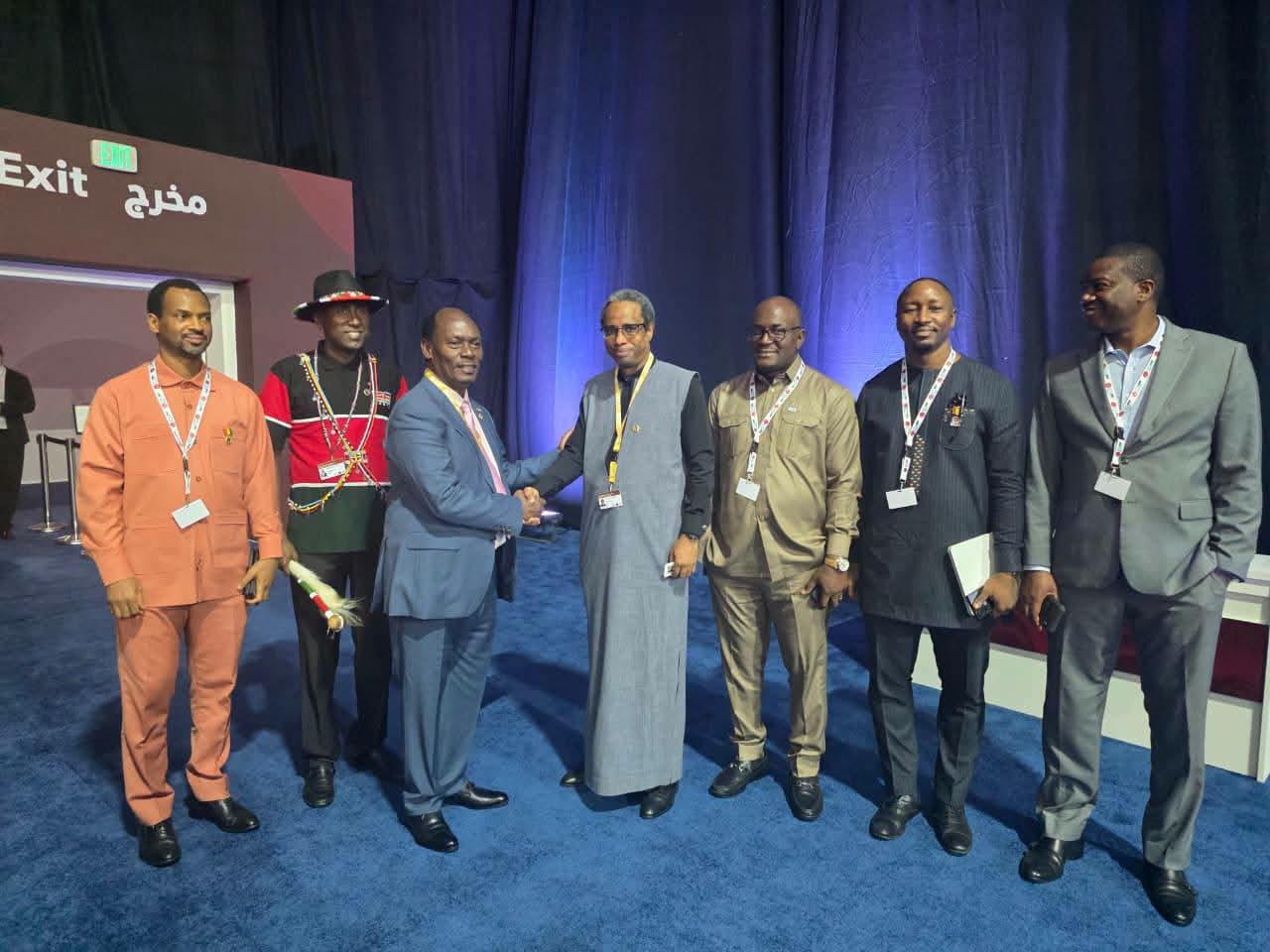
Information, Communications and the Digital Economy Cabinet Secretary William Kabogo held bilateral meetings with delegations from Mauritius, Australia, Sweden, Cuba, Thailand and Guinea on the sidelines of the ITU Plenipotentiary Conference in Doha, Qatar.

The engagements focused on opportunities for collaboration in strengthening digital infrastructure, enhancing cybersecurity systems, expanding artificial intelligence capabilities and developing digital skills.
The discussions also explored how countries could work together to advance the interests of developing nations, particularly Africa, in shaping global telecommunications policies and digital transformation priorities.
Kabogo’s engagements come as Kenya steps up its international campaign for a seat on the ITU Council, the United Nations specialised agency responsible for coordinating global telecommunications and information and communication technology matters.
Kenya is seeking election to the council for the 2027–2030 period under Region D, which covers Africa, and has appealed to member states to support its candidature.
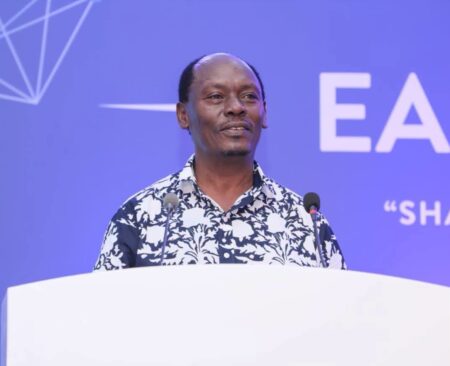
Addressing the conference, Kabogo outlined Kenya’s progress in expanding connectivity and digitising public services, presenting the country’s achievements as part of its broader ambition to become a leading digital economy.
He said Kenya had completed approximately 60 per cent of its target of laying 100,000 kilometres of national fibre optic infrastructure, while mobile subscriptions had reached 88 million.
The Cabinet Secretary also highlighted the expansion of the eCitizen platform, which now provides access to 24,000 government services, compared with about 500 services in 2022.
He said the government was pursuing measures to make mobile devices more affordable by removing the 25 per cent import duty imposed on the gadgets, a move intended to lower the cost of accessing digital services and promote wider connectivity.

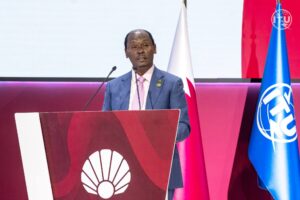
Kabogo further pointed to the establishment of the National Cybersecurity Agency as part of efforts to strengthen the protection of critical information and communication technology infrastructure against growing cyber threats.
On the international front, he urged the ITU to support Africa’s artificial intelligence ambitions, including the development of regional sovereign data centres, African language large language models and data governance frameworks that reflect the continent’s interests.
He also called for equitable access to satellite orbits and radio frequency spectrum, warning against arrangements that could disadvantage developing countries in the rapidly evolving global digital economy.
The Cabinet Secretary further emphasised the need to harmonise spectrum allocation across Africa to improve connectivity, facilitate cross border telecommunications and strengthen regional digital integration.
Kenya’s push is being coordinated alongside a broader continental strategy under the African Telecommunications Union (ATU).
Kabogo joined other African heads of delegation at a meeting convened by the ATU to consolidate the continent’s position ahead of the conference.
Africa’s preparations began in July 2024 and culminated in September with the adoption of 50 African Common Proposals at a meeting in Abidjan, Côte d’Ivoire.
The proposals cover key areas including artificial intelligence, equitable access to spectrum and satellite orbits, regional representation, digital infrastructure resilience and implementation of the World Summit on the Information Society (WSIS) outcomes and the 2030 Sustainable Development Agenda.
Each proposal has an African lead coordinator, while the ATU is holding daily coordination meetings throughout the conference to ensure member states maintain a common position during negotiations.
Kenya has also secured continental recognition through the nomination of Dominic Ooko of the Communications Authority of Kenya as Africa’s proposed candidate for chairmanship of Committee 3 on Budget Control.
Kabogo said Kenya would support the African Common Proposals and work with other delegations to ensure the continent speaks with one voice in negotiations shaping the future of global telecommunications.


As part of its diplomatic campaign, Kenya hosted a luncheon for ministers, heads of delegation and other participants attending the Doha conference.
The reception provided an opportunity to showcase the country’s digital transformation agenda and lobby for support for its ITU Council candidature.
Kenya has been a member of the ITU since 1964 and says it remains committed to working with other member states to expand connectivity and bridge the digital divide.
The Doha engagements underscore the growing importance of international partnerships as countries compete to shape policies governing emerging technologies, digital infrastructure and access to global communication networks.
For Kenya, the council bid presents an opportunity to strengthen its participation in international decision making on telecommunications while advancing Africa’s priorities in an increasingly technology driven world.