







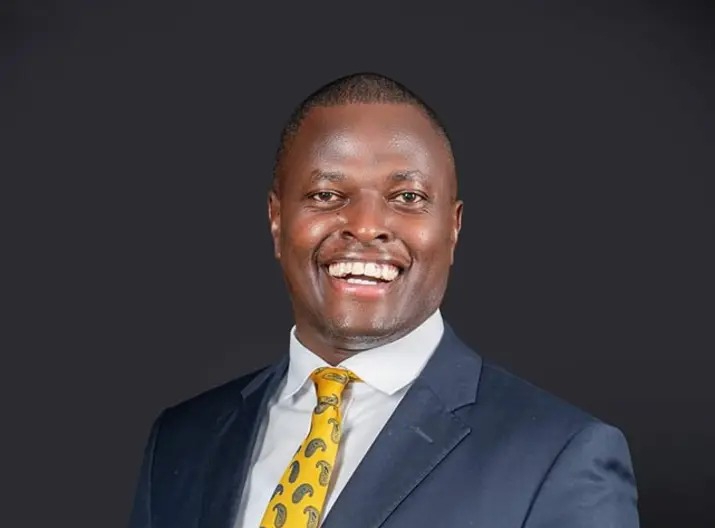
People’s Party of Kenya (PPK) leader Ndindi Nyoro has demanded the protection of public assets, insisting that the country’s national wealth, including its minerals, belongs strictly to the citizens.
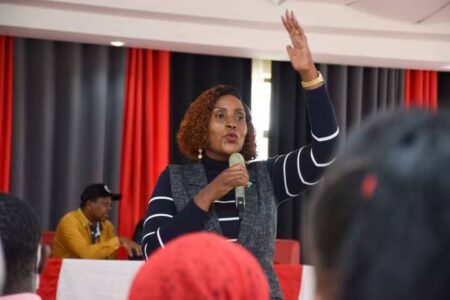
Speaking at a rally in Kathiani, Machakos County, Nyoro criticized President William Ruto’s government for endangering public property. He alleged that the President’s trip to New York for the 2026 United Nations General Assembly was intended to facilitate the sale of state assets, with an emphasis on mineral resources.
Nyoro also targeted the administration over rising insecurity, specifically pointing to the situation in Samburu. He emphasized that safeguarding citizens is a primary state obligation and cautioned that the public will not stay passive as insecurity plagues vulnerable regions.
Regarding electoral preparedness, the PPK leader charged the Independent Electoral and Boundaries Commission (IEBC) to prove its readiness to hold transparent elections ahead of the 2027 General Election. He noted that the public is actively scrutinizing the commission, urging it to protect the popular vote. He encouraged voters to stay alert on election day and defend their ballots against any form of manipulation.
Additionally, Nyoro defended former President Uhuru Kenyatta, faulting President Ruto for repeatedly scapegoating his predecessor for Kenya’s current troubles. He insisted the active administration must own up to its performance rather than deflecting blame.
Shifting focus to opposition strategy, Nyoro commended former Vice President Kalonzo Musyoka as a key mentor whom he holds in high esteem. He reiterated that opposition figures will collaborate closely with Musyoka and other leaders to unseat President Ruto in 2027.
On national development, Nyoro claimed the present government has destabilized both the economy and the education sector. He pledged that an opposition-led government would implement free secondary education starting in January 2028. Furthermore, he raised concerns over national borrowing, asserting that public debt has failed to yield visible development and alleging that loans are benefiting private individuals rather than the Kenyan public.