








Health experts have raised concern over the growing burden of hypertension and diabetes among senior citizens in Murang’a County, warning that poor dietary habits, unhealthy lifestyles and financial difficulties are exposing elderly people to serious health complications.
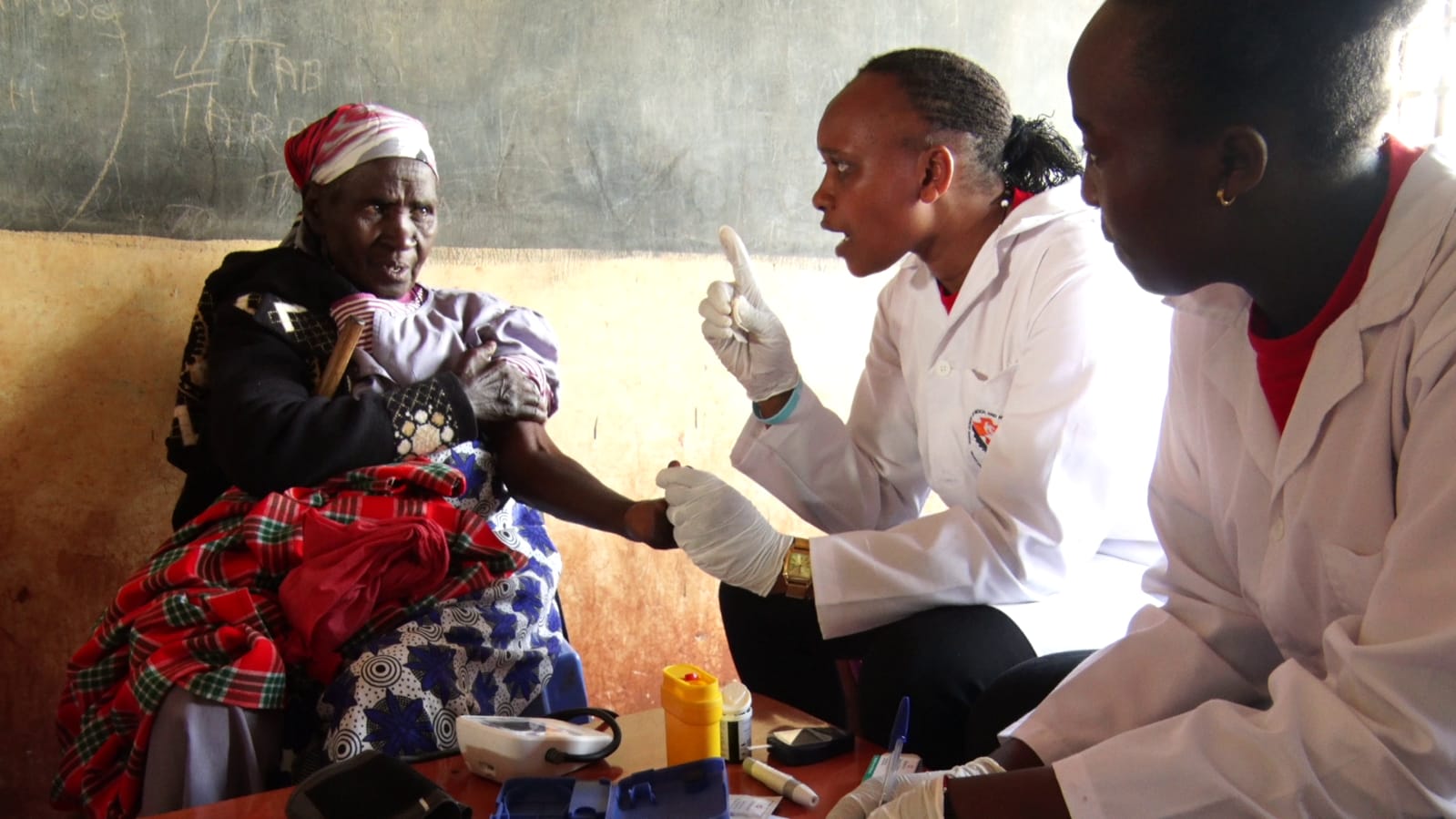
The concerns emerged during a free medical camp at Nguthuru in Kandara, where more than 465 elderly people received medical examinations and treatment through a partnership involving UHAI Kenya, Equity Afia and The Lions SightFirst Hospital.

Health professionals Christine Mumbi and Maureen Njue said hypertension and diabetes were increasingly prevalent among people aged 60 and above, with genetic predisposition, family history, stress and unhealthy eating habits contributing to the conditions.
Njue, a nutritionist, warned that many elderly people risk worsening their health by self medicating, often mistaking symptoms such as persistent headaches and body aches for minor ailments.
She said some resorted to purchasing medication over the counter without proper diagnosis, exposing themselves to complications arising from inappropriate drug use.
“Taking medication without professional guidance can cause further health complications, including organ damage,” she cautioned, urging senior citizens to seek medical advice before taking any drugs.
The experts called for regular medical screening, physical exercise, weight management and consistent monitoring of chronic conditions, saying early diagnosis and proper treatment were critical in preventing complications.
However, beyond medical awareness, the camp exposed the economic hardships confronting many elderly residents, with beneficiaries saying poverty had increasingly undermined their ability to maintain good health.
Some participants, led by Samuel Meng’o and Margaret Wathithi, said they struggled to afford prescribed medication and nutritious food, despite understanding the importance of proper dietary management.
They noted that the rising cost of basic necessities had made survival increasingly difficult, forcing some to prioritise immediate household needs over healthcare.
UHAI Kenya chief executive officer Edwin Kibe said many senior citizens continued to suffer silently because they could not afford transport to hospitals, consultation fees and prescribed medication.
Kibe, a psychologist, added that long queues at public health facilities further discouraged some elderly people from seeking timely medical attention, worsening their vulnerability to preventable complications.
He urged the government to introduce subsidised healthcare programmes for senior citizens, waive medical fees and establish dedicated financial support mechanisms to ease their access to essential health services.
He also challenged non governmental organisations and corporate institutions to strengthen their support for elderly people through corporate social responsibility programmes, regular medical outreach initiatives and specialised clinics.
The medical camp highlighted the need for a more sustainable approach to elderly healthcare, combining preventive services, affordable treatment and social protection to ensure that ageing citizens are not left behind in accessing essential medical care.