








Deputy President Kithure Kindiki has pitched Kenya’s newly established National Infrastructure Fund (NIF) to global investors, promising commercially attractive returns while positioning the country for a major transformation of its transport, energy and agricultural sectors.
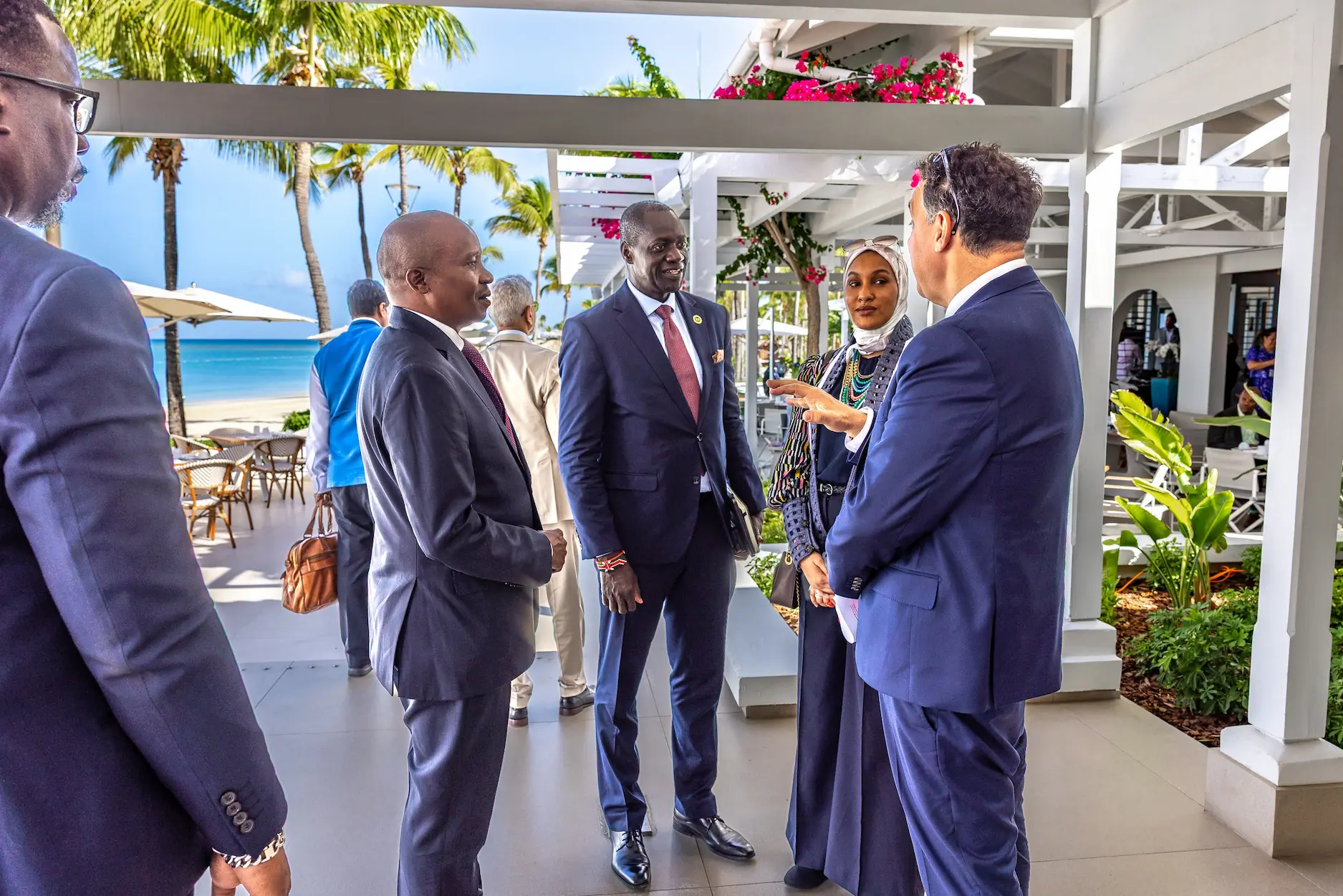
Speaking during the 28th Commonwealth Heads of Government Meeting (CHOGM) in St John’s, Antigua and Barbuda, Prof Kindiki told heads of government and international business leaders that the fund presented a mutually beneficial investment opportunity, with the potential to unlock billions of dollars in private capital for critical infrastructure projects.

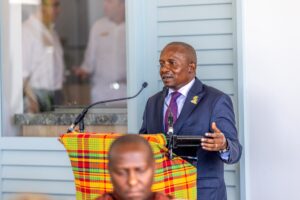
Kindiki, who is leading Kenya’s delegation at the summit, said the government had secured an initial $2.7 billion in seed capital through partial divestiture of government assets, with the ambition of mobilising an additional $27 billion through private sector participation.
Under the proposed financing model, every dollar committed by the government is expected to attract $10 in private investment, largely through public private partnerships anchored in legislation.
He assured prospective investors that the fund would operate under a robust governance framework, managed by an independent board comprising public and private sector representatives, with a majority drawn from the private sector.
Investment decisions, he said, would be guided by commercial viability rather than political considerations, while public resources would help cushion investors against potential risks.
The fund is expected to finance the modernisation and expansion of major highways, railway networks, seaports and airports, strengthening Kenya’s position as a regional transport and logistics hub.
It will also support energy infrastructure to increase electricity generation capacity and meet the demands of an expanding industrial economy, particularly through renewable energy projects.
Kindiki said Kenya was building on its existing clean energy record, with approximately 93 per cent of its electricity generated from renewable sources.
Agriculture is another major beneficiary, with the government targeting the development of water infrastructure to support irrigation on an additional 2.5 million acres of land.
Beyond infrastructure financing, the Deputy President highlighted youth empowerment, technical and vocational education and digital connectivity as critical pillars of sustainable economic development.
He said Kenya was investing in technical and vocational education and training institutions while expanding the Digital Superhighway, which targets 100,000 kilometres of fibre optic connectivity. About 30,000 kilometres have already been constructed.
The government is also supporting youth owned enterprises to create employment and widen economic opportunities.
Kindiki noted that President William Ruto had accepted to champion youth empowerment and the youth agenda on behalf of the Commonwealth, whose 56 member states collectively represent about 2.7 billion people.
Drawing from Kenya’s development experience, he challenged Commonwealth countries, particularly developing economies, to prioritise investment in people, technology and partnerships between governments and the private sector.
He argued that mobilising private capital, strengthening institutions and equipping young people with relevant skills would be essential in accelerating economic transformation across the Commonwealth.