








Deputy President Kithure Kindiki has urged African nations to insulate long-term infrastructure projects from political transitions, warning that policy instability remains one of the biggest obstacles to the continent’s quest for industrialisation and first-world economic status.
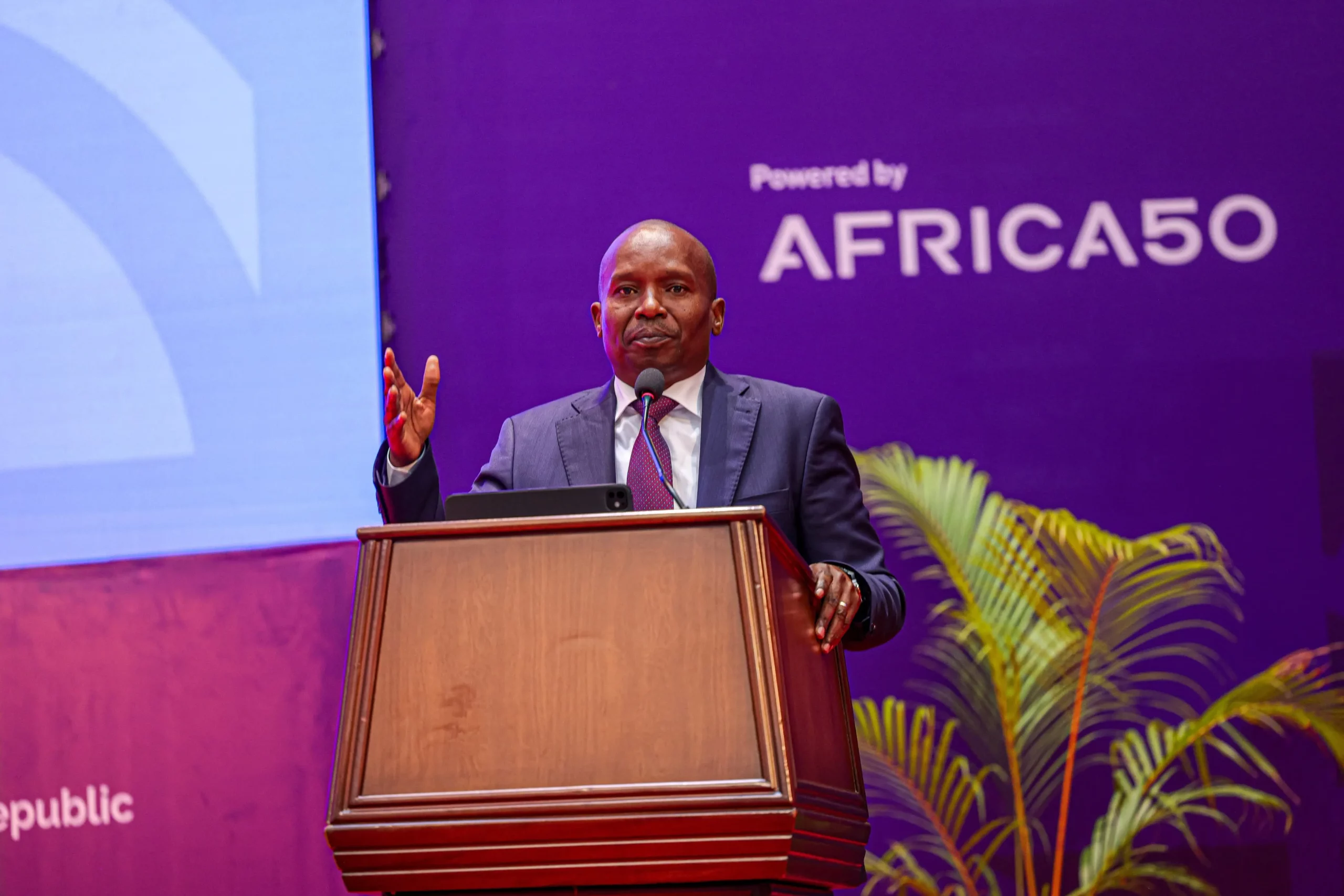
Speaking on behalf of President William Ruto at the Infrastructure for Africa Forum and the Africa50 General Shareholders Meeting in Dar es Salaam on Wednesday, Prof. Kindiki said Africa possesses sufficient natural resources, renewable energy potential and human capital to transform its economies but continues to lag because of inconsistent policies, inadequate financing and slow implementation of strategic projects.
“The biggest threat to Africa’s development today is policy disruption, which is an unintended consequence of democracy,” Prof. Kindiki said. “The movement from one administration to another is a good thing, but we must find ways of insulating our development agenda from democratic transitions so that we can have continuity in development.”
The Deputy President said sustained political stability, predictable policy frameworks and innovative financing models are critical to attracting private investment needed to bridge Africa’s infrastructure financing gap.
He noted that although the continent is endowed with abundant renewable energy resources and significant natural gas reserves capable of supporting industrial growth, Africa must move with greater urgency to develop energy infrastructure that is adequate, affordable and accessible.
“Africa needs to build confidence in itself. As Africans, we must learn to have confidence in our continent and in our capability to do what others have been able to do,” he told delegates.
Prof. Kindiki challenged African leaders to abandon short-term political and economic considerations in favour of long-term national development strategies capable of delivering prosperity over several decades.
“We must ensure that the frameworks for projects, programmes and policies we have in place today will still be in place in 30, 40 and 50 years so that we take Africa into first-world status because it is possible, as already demonstrated by other countries,” he said.
He highlighted Kenya’s efforts to diversify infrastructure financing, revealing that the government has established an Infrastructure Fund aimed at mobilising capital from the stock market through the sale of minority stakes in selected State-owned enterprises.
According to the Deputy President, the initiative is intended to leverage private sector investment and reduce reliance on conventional public borrowing to finance large-scale infrastructure projects.
Prof. Kindiki also called for stronger public-private partnerships, technological innovation and improved governance to unlock sustainable economic growth across the continent.
However, he stressed that infrastructure development must remain people-centred, arguing that investments in roads, railways, ports and energy projects should directly improve the lives of ordinary citizens.
“We need to have the people with us. We must carry women, young people and both the rural and urban poor along. It is not enough to build roads, railways, seaports, harbours and gas pipelines. The people must travel the development journey with us,” he said.
He further urged African governments to strengthen regional cooperation in mobilising investment, saying collective approaches would reduce investor risk, lower the cost of capital and accelerate implementation of capital-intensive projects.
The forum brought together African heads of government, policymakers, financiers and development partners to discuss financing strategies for critical infrastructure across the continent.
Tanzanian President Samia Suluhu Hassan delivered the keynote address, while former Tanzanian President Jakaya Kikwete was among the high-profile leaders attending the meeting.
The Africa50 platform, established by African governments and development institutions, seeks to mobilise public and private capital to accelerate the delivery of transformative infrastructure projects across the continent, particularly in transport, energy, digital connectivity and water systems.
Prof. Kindiki said Africa’s aspiration for industrialisation would depend not only on financing major projects but also on creating stable political environments, maintaining policy consistency and building investor confidence capable of sustaining long-term economic transformation.