



Residents and business operators in Kiambu have raised concerns over land rates, trade licences, signage fees, waste management charges and zoning as the County Assembly intensifies public participation on the proposed Finance Bill for the 2026/2027 financial year.
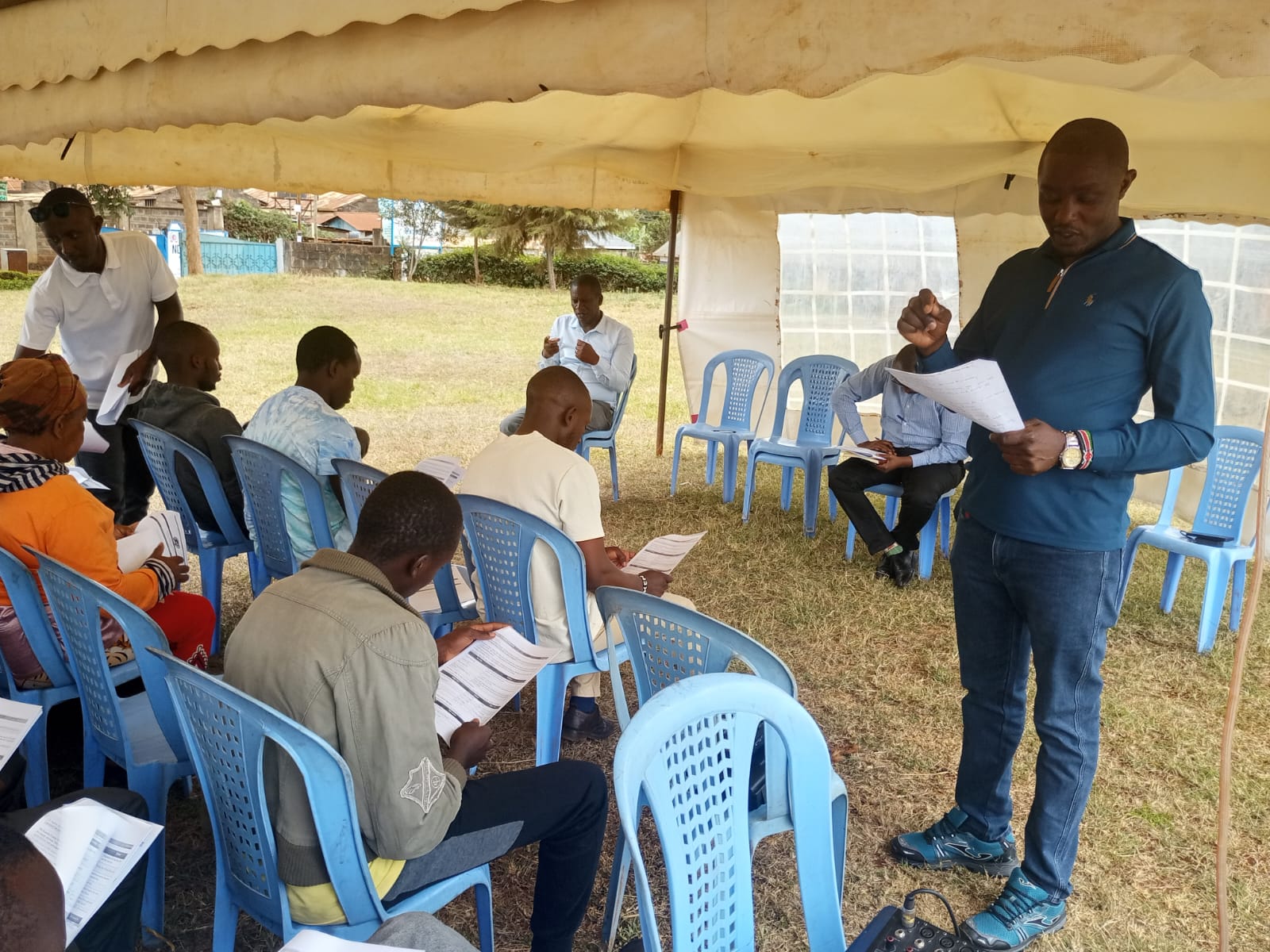
The Finance and Economic Planning Committee held one of its public participation forums at Ndumberi Vocational and Training College, giving residents an opportunity to scrutinise the proposed revenue measures before the Bill completes the legislative process and is presented to Governor Kimani Wamatangi for assent.
The county assembly is conducting similar forums across the 60 wards this week as part of the process of collecting public views on the proposed law.

According to a technical brief presented during the forum, Kiambu’s approved budget for the 2026/2027 financial year stands at Sh25.167 billion.
Development programmes have been allocated Sh8.590 billion, representing 34 per cent of the budget, while recurrent expenditure accounts for Sh16.596 billion, or 66 per cent.
The equitable share from the national government accounts for Sh13.509 billion, representing 53 per cent of the financing, while conditional grants amount to about Sh3 billion. The county is also targeting Sh8.571 billion in own source revenue.
The public hearings have provided an opportunity for residents and MCAs to debate how the county intends to raise revenue without placing excessive pressure on households and businesses.
Kiambu Township MCA Francis Koina said the county had previously adopted measures exempting some landowners from paying land rates, but the situation had changed following subsequent national legislation.
Koina said the county assembly was required to align its laws with national legislation on land rates, arguing that this had created difficulties for some property owners.
He said land valuation remained an important issue because properties of similar sizes could attract different rates depending on their location and valuation.
“Land rates are something we have to continue paying,” Koina said, while explaining the challenges surrounding property valuation and the relationship between rates paid and the assessed value of land.
The MCA also turned his attention to trade licences, saying the county should consider reviewing charges contained in its trade legislation to make it easier for small businesses to operate.
He said the assembly would seek amendments to the relevant provisions, arguing that some charges had remained unchanged for years despite changes in the economic environment.
Koina also proposed clearer guidelines on solid waste management, particularly for small businesses and traders operating in areas where the county has not provided adequate collection infrastructure.
He said traders should be given clear collection schedules and designated waste disposal points before enforcement action is taken against them.
“If the county government does not provide a schedule or designated areas, we have to find a workable arrangement for businesses to manage their waste,” he said.
The MCA further called for clearer rules governing business signage.
He proposed that businesses should be allowed reasonable signage within specified dimensions, with charges applying where a sign exceeds the stipulated size.
The proposal, he said, was intended to strike a balance between the county’s need to raise revenue and the ability of businesses to advertise their services.
Koina also raised concerns over the classification and taxation of rental housing within Kiambu municipality.
He said the county should consider a more differentiated system that takes into account the size, location and value of residential properties rather than applying similar charges to properties with significantly different characteristics.
The debate also touched on business licensing, with the MCA urging traders to understand the applicable licensing categories and the basis upon which fees are calculated.
He said enforcement officers should provide traders with clear explanations before confiscating goods or taking other enforcement measures.
Gitaru Ward MCA Jane Thogori, a member of the Finance Committee, urged residents and traders to take public participation exercises seriously and attend the forums to present their views directly.
Thogori said the committee had made efforts to publicise the hearings through various platforms, including radio, newspapers and mobile public address announcements.
She expressed concern that some business people often complain about county laws and charges after legislation has been passed despite failing to participate in public hearings.
“We have come here because people have asked us to listen to them. We need them to come and tell us their views,” she said.
Thogori said the committee would consider views presented during the hearings before completing its work on the Finance Bill.
Another issue raised during the forum was zoning and the classification of areas within Kiambu’s municipalities.
MCAs said different areas were facing concerns over the application of rates and charges, particularly where properties or businesses in locations with different economic characteristics were being subjected to similar classifications.
They called for a review of zoning arrangements to ensure that charges reflect the economic realities of different areas.
The MCAs also discussed the possibility of allocating a portion of county resources towards youth empowerment and sports.
They proposed that a defined percentage of the county budget could support youth programmes, although the precise mechanism and allocation would have to be considered during the budget and legislative process.
The proposal came amid calls for stronger investment in youth enterprise, skills development, sports and other programmes intended to create economic opportunities for young people.
The committee said the public participation process was intended to give residents an opportunity to influence the final contents of the Finance Bill before it is enacted.
The forum is part of the constitutional and statutory process through which county residents participate in decisions affecting taxation, charges and the use of public resources.
The committee is expected to consolidate views collected from the 60 wards before considering the proposed amendments and advancing the Bill through the remaining stages of the county assembly’s legislative process.
The exercise comes as counties across the country continue to grapple with the challenge of raising sufficient own source revenue while keeping local taxes and charges affordable for residents and businesses.