




Residents across Kiambu County have called for increased investment in healthcare, road infrastructure, water supply and economic empowerment programmes as the county moves closer to approving its proposed KSh 26.17 billion budget for the 2026/2027 Financial Year.
The calls emerged during a countywide public participation exercise organized by the County Assembly’s Budget and Appropriations Committee (BAC), even as Members of County Assembly intensified scrutiny of departmental budget proposals and ongoing development projects.
The proposed budget, which is currently undergoing legislative review, allocates KSh 16.38 billion for recurrent expenditure and KSh 9.79 billion for development projects. County officials say the spending plan is designed to improve service delivery, stimulate economic growth and accelerate infrastructure development throughout the county.
Healthcare remains the county’s top funding priority after receiving KSh 8.91 billion, the largest allocation among all departments. The funding is expected to facilitate expansion of medical facilities, acquisition of equipment and supplies, recruitment of healthcare personnel and enhancement of service delivery in public hospitals and health centres.
Roads, Transport and Public Works follows closely with an allocation of KSh 3.56 billion, including substantial funding for road construction, rehabilitation and maintenance projects aimed at improving connectivity and supporting economic activities across the county.
The Education, Gender, Culture and Social Services sector received KSh 2.42 billion, with significant resources earmarked for Early Childhood Development Education (ECDE), vocational training institutions and social welfare programmes. County leaders hope the investment will improve learning outcomes while equipping young people with practical skills for employment and entrepreneurship.
Urban development also features prominently in the proposed budget, with the Department of Lands, Housing, Physical Planning, Municipal Administration and Urban Development allocated KSh 2.15 billion. The funds will support housing projects, urban renewal programmes and improved municipal services.
Agriculture, Livestock and Cooperatives, one of Kiambu’s leading economic sectors, has been allocated KSh 1.38 billion to support crop production, irrigation programmes, livestock development and cooperative societies. County officials believe the investment will enhance food security and strengthen farmers’ incomes.
The Water, Environment and Natural Resources Department received KSh 1.06 billion to support water supply projects, sanitation services, environmental conservation and climate change mitigation initiatives.
Trade, Tourism, Industrialization and Investment was allocated KSh 732 million to promote business development, attract investors and create employment opportunities through industrial growth and entrepreneurship programmes.
Youth Affairs, Sports and Communication will receive KSh 514 million, with resources directed toward sports infrastructure development, youth empowerment initiatives and talent nurturing programmes.
Meanwhile, the County Executive has been allocated KSh 530 million to support governance and policy coordination functions, while the County Public Service Board will receive KSh 90 million for recruitment, staff development and human resource management programmes. The County Assembly has been allocated KSh 1.38 billion to facilitate its legislative and oversight responsibilities.
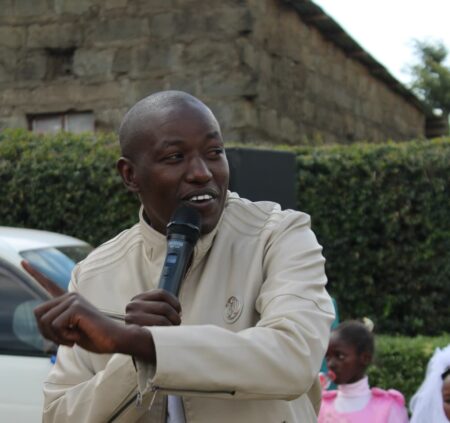
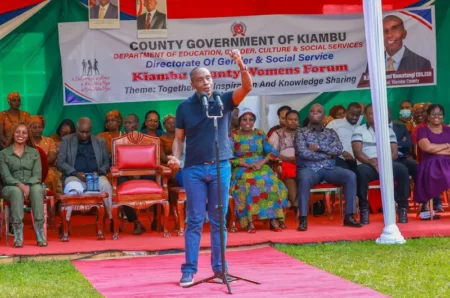
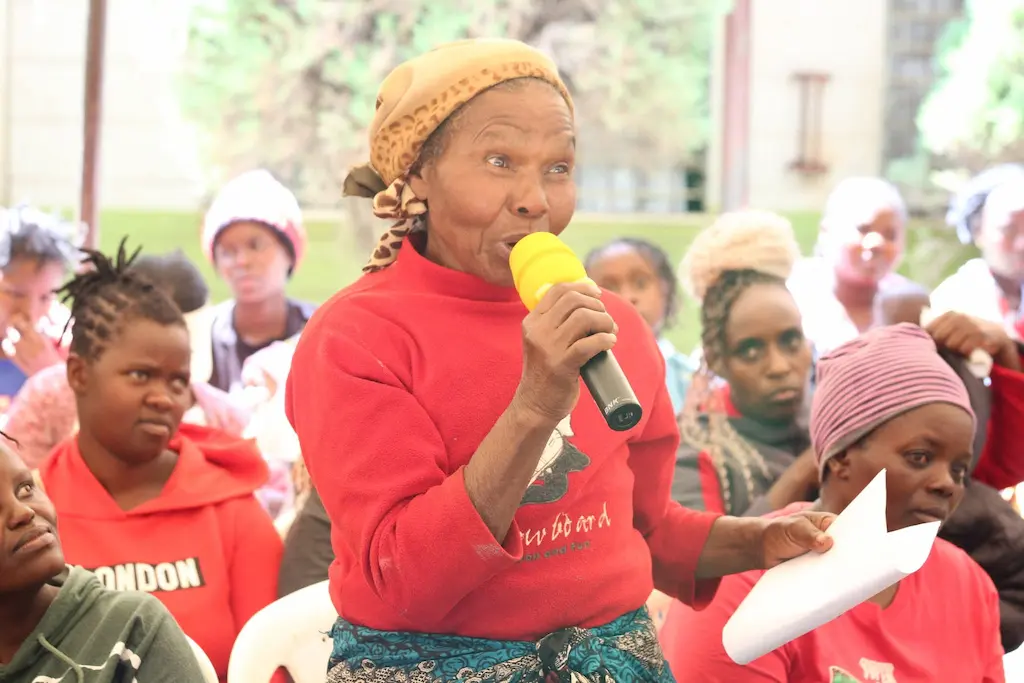
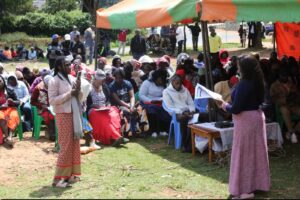
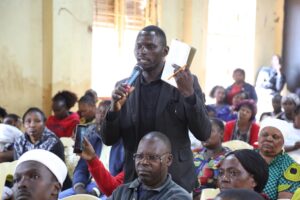
Public participation forums held across Kiambu’s 12 sub-counties attracted residents eager to contribute to the county’s budget-making process.
The exercise covered Kikuyu, Kabete, Thika, Kiambaa, Kiambu, Githunguri, Ruiru, Juja, Limuru, Lari, Gatundu North and Gatundu South, providing citizens with an opportunity to review the proposed budget and submit recommendations.
A majority of participants urged the county government to increase investment in road maintenance, healthcare services and water infrastructure while ensuring equitable distribution of development resources across all wards.
Residents also emphasized the need for projects that directly improve livelihoods, create employment opportunities and stimulate local economic growth.
The Budget and Appropriations Committee, chaired by Limuru Central Ward MCA Hon. Nduta Muongi, assured residents that their submissions would be considered during preparation of the committee’s final report on the budget estimates.
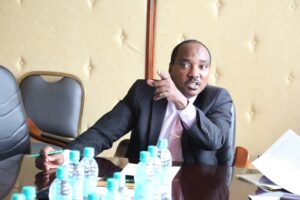
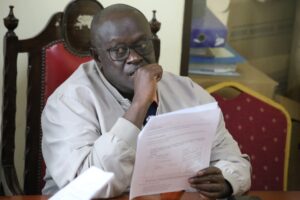
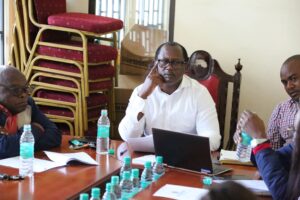
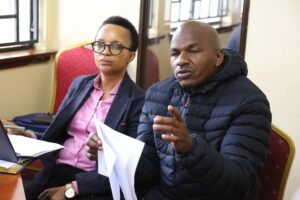
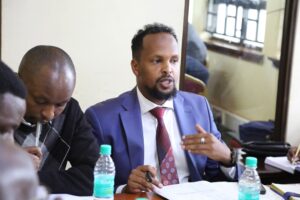
As public participation concluded, departmental committees of the County Assembly continued interrogating County Executive officials on proposed expenditures and progress made on ongoing projects.
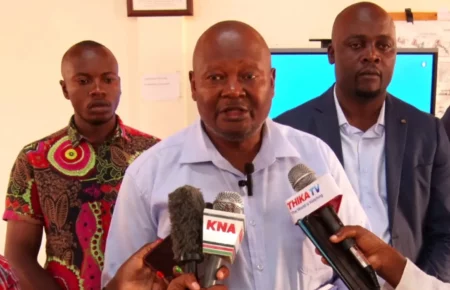
The Water Committee, chaired by Chania Ward MCA Joseph Mwangi Kibuu, expressed concern over stalled water projects, malfunctioning boreholes and inadequate water infrastructure in several areas of the county.
Committee members sought assurances that allocated funds would be utilized efficiently and directed toward projects capable of delivering tangible benefits to residents.
In response, Water CECM David Kuria pledged enhanced monitoring of projects and promised countywide inspections to ensure implementation targets are achieved.
The Trade Committee, chaired by Ngecha-Tigoni Ward MCA Hon. Samuel Ngaruiya, reviewed the status of more than 60 market projects under construction or procurement. Members urged the county government to fast-track completion of the facilities and allow traders to occupy finished markets.
Ting’ang’a Ward MCA Lawrence Mwaura called for fairness in resource allocation and equitable development across all wards.
The Sports Committee, chaired by Gitithua Ward MCA John Kamande, examined plans for construction of basketball courts, renovation of sports facilities and distribution of sports equipment.
Sports CECM Osman Korar assured the committee that sports development programmes would be accelerated and pledged timely distribution of equipment to teams and institutions.
Other committees, including Roads, Public Works and Infrastructure, Public Service and Administration, and Finance and Economic Planning, also held detailed discussions with departmental officials regarding budget allocations and project implementation.
The committees resolved to strengthen oversight and continuously monitor county programmes to ensure effective utilization of public funds and improved service delivery.
The Budget and Appropriations Committee is expected to compile recommendations from all departmental committees and present a comprehensive report to the County Assembly for debate and adoption.
Once approved, the KSh 26.17 billion budget will guide Kiambu County’s development agenda for the 2026/2027 financial year, with county leaders expressing confidence that the proposed investments will enhance public services, boost economic growth and improve the living standards of residents across the county.