





The Government of Kenya has reaffirmed its commitment to protecting citizens from emerging public health threats by strengthening disease surveillance, emergency response systems, and border health security measures following the ongoing Ebola outbreak in the neighbouring Democratic Republic of Congo (DRC).
In a statement issued on May 30, 2026, the Ministry of Health emphasized that infectious diseases do not recognize national borders, underscoring the need for Kenya to remain vigilant and prepared as a regional hub for trade, travel, and commerce.
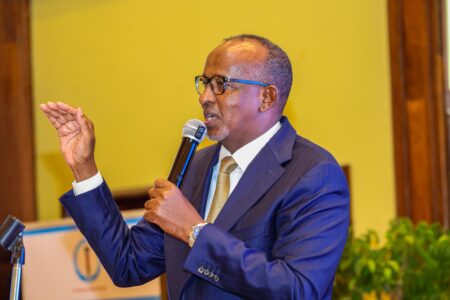
Health Cabinet Secretary Aden Duale said the government is taking proactive measures to prevent, detect, and respond to any potential Ebola cases before they can spread within communities.
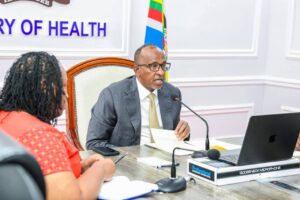
According to the ministry, safeguarding public health requires more than screening travelers at points of entry. It demands a comprehensive strategy that integrates effective surveillance, border monitoring, laboratory preparedness, rapid response mechanisms, and well-equipped treatment facilities capable of handling outbreaks before they escalate into national emergencies.
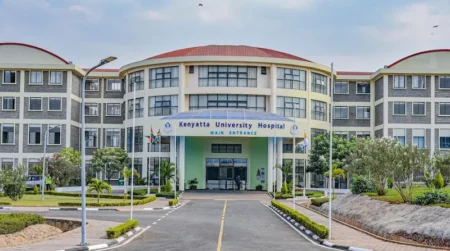
To strengthen the country’s readiness, the government has established dedicated isolation and treatment facilities at major referral institutions, including Kenyatta National Hospital, the Kenya National Police Hospital, and Moi Teaching and Referral Hospital. Additional isolation and treatment centers have also been identified in more than ten counties considered high-risk due to their proximity to border entry points and transit routes.
The ministry noted that these facilities are intended to facilitate rapid detection, isolation, and treatment of suspected cases while preventing the spread of infection.
Kenya is also working closely with the United States Government to enhance its health security infrastructure. Through this partnership, a specialized monitoring, isolation, and emergency response facility is being established at a military installation in Laikipia County.
The collaboration will further support enhanced disease surveillance, diagnostic testing capacity, emergency preparedness drills, medical supply management, and rapid deployment of response teams during public health emergencies.
Health officials stated that these investments are expected to strengthen Kenya’s overall health security framework by improving laboratory networks, healthcare infrastructure, workforce preparedness, supply chains, and disease surveillance systems beyond the current Ebola threat.
The Ministry of Health pointed to lessons learned during the COVID-19 pandemic, highlighting the critical role played by a regional health facility established by the United Nations Office at Nairobi (UNON) at Nairobi Hospital. The facility significantly contributed to emergency response efforts during the pandemic and continues to serve local healthcare needs, demonstrating the long-term benefits of strategic investments in health infrastructure.
The ministry believes that strengthening healthcare systems today will ensure Kenya is better prepared to tackle future outbreaks and other public health challenges.
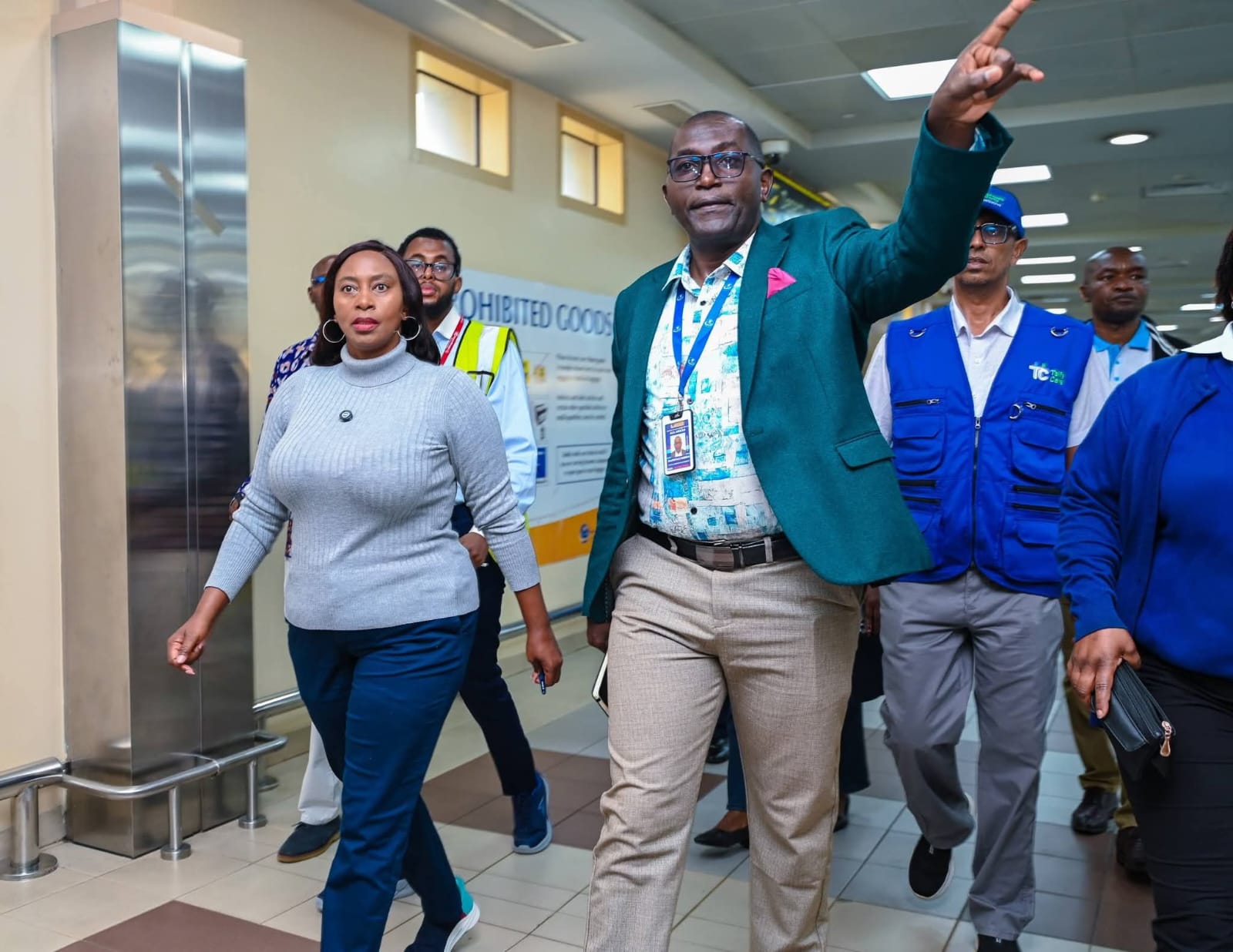
Meanwhile, Principal Secretary for Public Health and Professional Standards Mary Muthoni announced that the government has intensified Ebola preparedness measures at Jomo Kenyatta International Airport (JKIA), Kenya’s busiest international gateway.
Speaking after an assessment of Port Health Services at the airport, Muthoni said health authorities reviewed passenger screening procedures, thermal scanner functionality, isolation facilities, laboratory preparedness, aircraft surveillance systems, wastewater monitoring programs, and emergency response coordination mechanisms.
She praised frontline healthcare workers and port health officers for their dedication, noting that their vigilance remains a critical line of defense against the introduction and spread of infectious diseases.
Although Kenya has not recorded any confirmed Ebola cases, Muthoni said authorities are maintaining a high level of preparedness by strengthening screening processes at all points of entry, deploying additional health officers, expanding laboratory diagnostic capacity, accelerating specimen testing and processing, and reinforcing surveillance systems across air, sea, and land borders.
The government has also ensured that rapid response teams remain operational and ready to act should any suspected case emerge.
Public health officials have urged Kenyans to remain alert and observe preventive measures, including proper hand hygiene and seeking medical attention promptly when experiencing symptoms of illness. Citizens have also been encouraged to rely on official Ministry of Health communication channels for accurate and timely information regarding Ebola and other health threats.
The Ministry of Health maintained that preparedness, vigilance, and coordinated action among government agencies, healthcare workers, development partners, and the public remain the country’s strongest defense against Ebola and other emerging infectious diseases.
As the Ebola outbreak in the DRC continues to raise concerns across the region, Kenya’s health authorities say the country remains on high alert, determined to safeguard public health through robust preparedness measures and strengthened health security systems.