








Kenya remains on high alert due to a significant risk of importing the Bundibugyo Ebola virus, which has recently caused 141 deaths across parts of the Democratic Republic of Congo (DRC) and Uganda. Out of the total cases reported in the neighboring countries, 22 involve healthcare workers.
Despite the high-risk classification, the Ministry of Health (MoH) has reassured the public that robust systems are active to prevent and manage any potential outbreak.
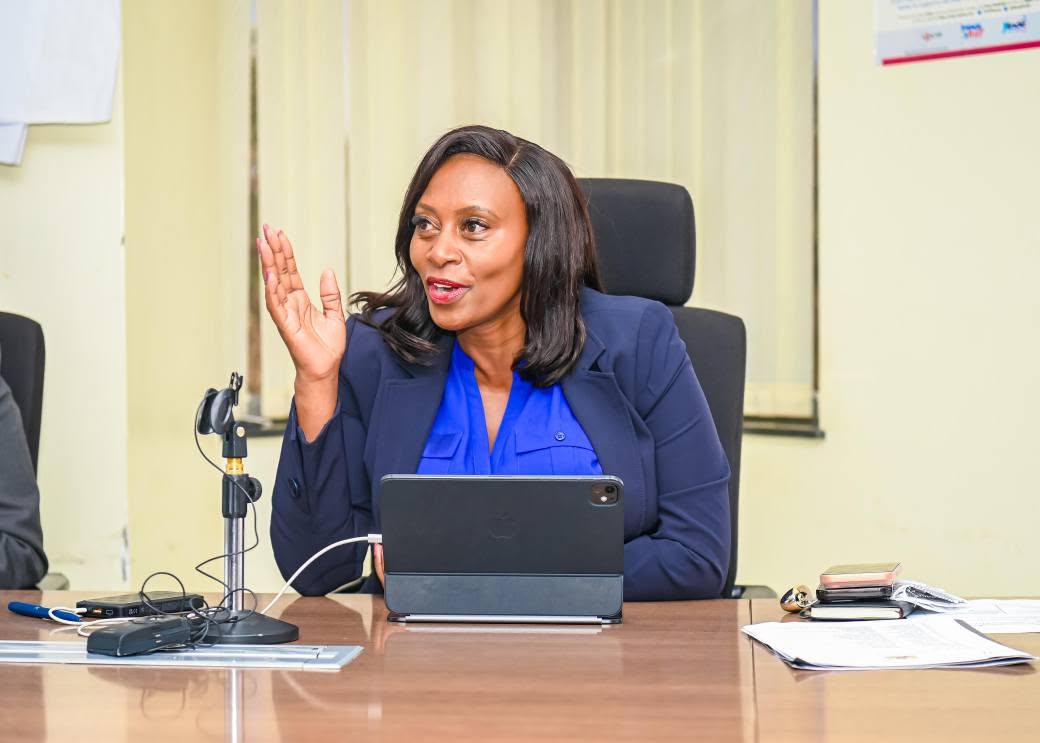
Speaking during a weekly meeting with public health departmental heads, Mary Muthoni, the Principal Secretary (PS) for Public Health and Professional Standards, confirmed that there are currently zero cases of Ebola in Kenya. However, she emphasized that strict vigilance is being maintained to secure the nation’s borders.
“Our focus remains on strict vigilance to ensure the virus does not cross our borders,” PS Muthoni stated, adding that the country is operating on an extremely high alert status at all entry points.
To maintain this readiness, the ministry has implemented several strategic measures: amongst them health officials are undergoing specialized training sessions twice a week A standby team of over 300 healthcare officers has been deployed across 25 counties identified as high or very high risk. Rapid Response Teams have been mobilized, with border entry points now screening approximately 3,000 travelers daily As of June 13th, 91 suspected cases had undergone laboratory testing, and all returned negative results.
Beyond Ebola, PS Muthoni raised alarms over the ongoing surges of Mpox and Dengue fever within the country. Mpox has notably spread across 38 counties, resulting in 1,000 confirmed cases and 19 fatalities so far.
The Ministry of Health has issued a clarion call to all health departments to drastically enhance rapid response mechanisms to effectively contain these overlapping public health challenges.