





Technical and Vocational Education and Training (TVET) institutions must continuously adapt to emerging technologies and evolving industry needs if they are to produce graduates equipped for the modern workplace, Centurion Systems Limited Managing Director Kevit Desai has said.
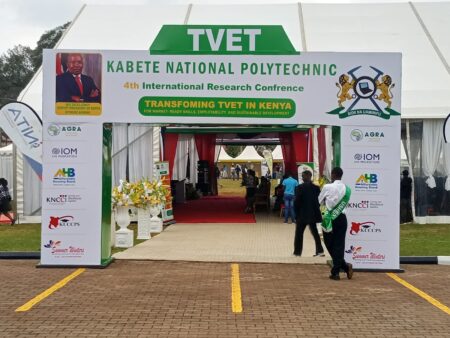
Speaking during the Fourth International Research Conference, Skills Competition, Innovation, Career Guidance and Expo at Kabete National Polytechnic, Desai noted that technological advancements are rapidly transforming industries across Kenya, creating a growing demand for highly skilled and adaptable workers.
He observed that sectors such as manufacturing, agriculture, transportation, utilities and construction are increasingly relying on technology-driven solutions to improve productivity, efficiency and innovation.
“As technology continues to reshape industries, training institutions must embrace more effective methods of equipping learners with practical skills and competencies that meet market demands,” Desai said.
He emphasized that TVET institutions are central to Kenya’s economic growth agenda and must align their training programmes with industry-recognized standards to ensure graduates possess relevant and measurable skills.
According to Desai, maintaining close collaboration between industry players and training institutions is essential in bridging the gap between classroom learning and workplace expectations. Such partnerships, he noted, help ensure that students acquire competencies that directly address labour market requirements.
Desai praised Kabete National Polytechnic for organizing the international conference, describing it as an important platform that brings together stakeholders from academia, industry and government to discuss challenges facing technical education and identify practical solutions.
He said the forum had facilitated meaningful discussions on critical issues including continuous professional development for trainers, modernization of training infrastructure and the integration of digital technologies into skills development programmes.
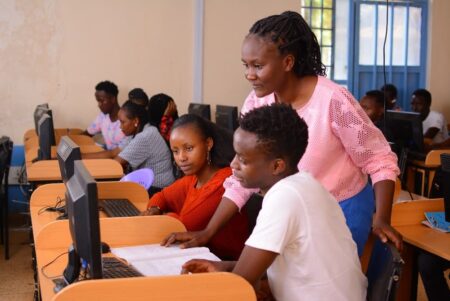
One of the key topics highlighted during the conference was the need for TVET institutions to leverage virtual training technologies and simulation-based learning. Desai noted that digital tools can help expand access to practical training, especially as student enrolment continues to rise.
“We must explore innovative approaches that allow more learners to access quality practical training while ensuring they gain the competencies required by industry,” he said.
The conference also examined strategies for promoting inclusivity and equity within the TVET sector by creating opportunities for both young women and men to access market-driven skills and sustainable livelihoods.
Desai further underscored the importance of regular dialogue among policymakers, educators, industry leaders and development partners in shaping a responsive and future-oriented TVET system.
He commended Kabete National Polytechnic for consistently providing a platform where stakeholders can exchange ideas, share experiences and develop solutions aimed at strengthening technical education in Kenya.
Participants at the conference agreed that stronger industry-academia linkages, increased investment in innovation and adoption of emerging technologies will be critical in preparing a skilled workforce capable of driving Kenya’s industrialization and economic transformation.
The three-day conference attracted educators, researchers, industry representatives, policymakers and students from across the country, reaffirming the growing role of TVET institutions in fostering innovation, entrepreneurship and sustainable development.