




The future of work will depend heavily on stronger partnerships between training institutions and industry players to equip graduates with skills that match the rapidly changing demands of local and international labour markets, the Association of Skilled Migrant Agencies of Kenya (ASMAK) has said.
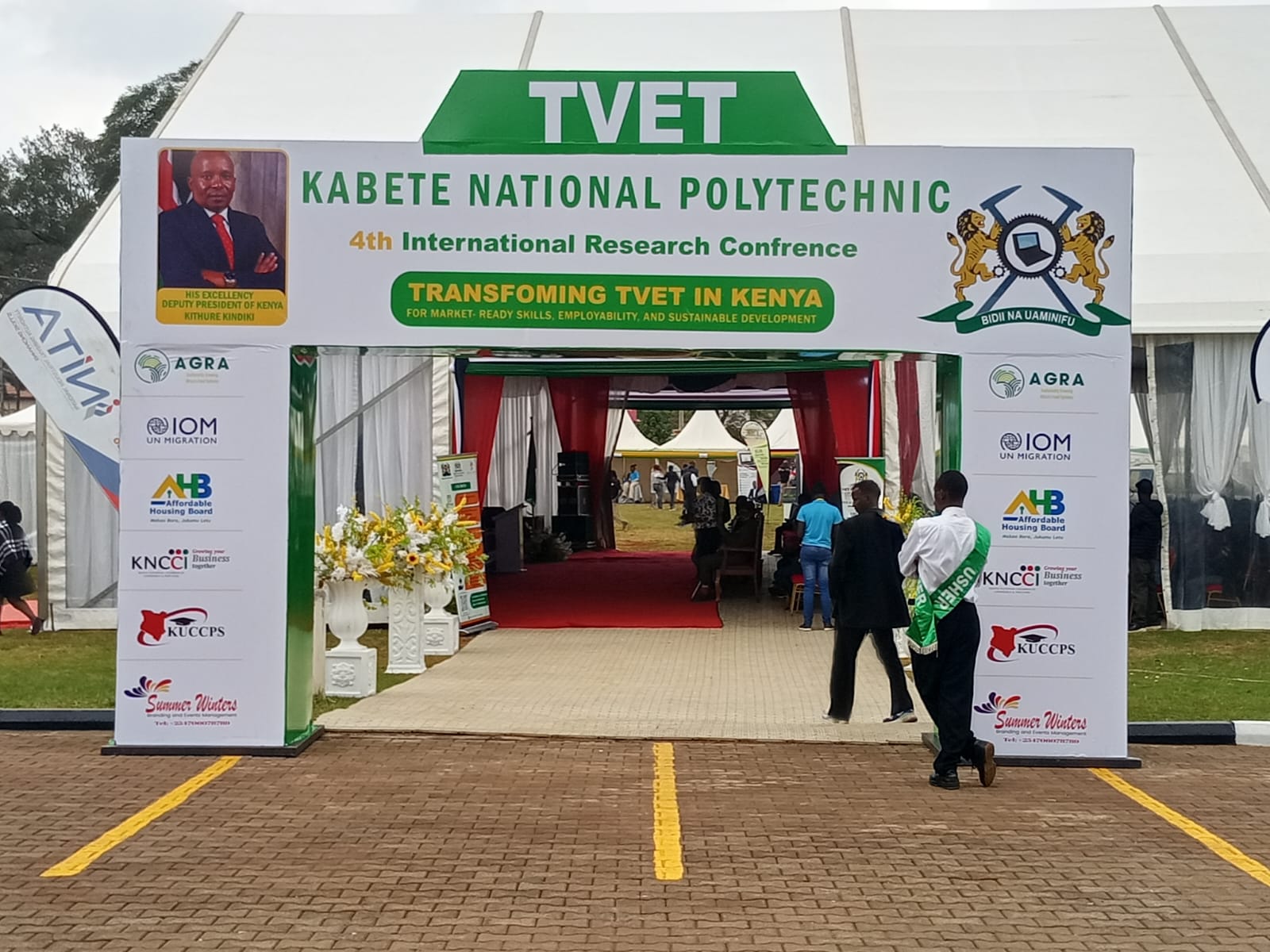
Speaking during the Fourth International Research Conference, Skills Competition, Innovation, Career Guidance and Expo at Kabete National Polytechnic, ASMAK Chairperson Francis Wahome emphasized the importance of collaboration between academia, employers, government agencies and labour migration stakeholders in preparing a globally competitive workforce.
Addressing delegates under the theme “Industry–Academia Linkages and the Future of Work,” Wahome commended Kabete National Polytechnic for creating a platform that brings together key stakeholders to deliberate on workforce development, innovation and skills training.
He noted that the relationship between educational institutions and industry remains critical because training institutions produce talent while employers consume that talent.
“Continuous engagement between academia and industry is necessary to ensure graduates possess skills that are relevant to the current and future labour market,” Wahome said.
According to the ASMAK chairperson, employers should play a more active role in curriculum development to help institutions align their training programmes with emerging industry needs. He further urged institutions to regularly seek feedback from employers to address skills gaps and improve graduate employability.
Wahome observed that despite growing numbers of graduates entering the job market every year, many employers continue to report shortages of appropriately skilled workers.
He attributed the challenge largely to a disconnect between what students learn in training institutions and the practical competencies required in workplaces.
“Strong partnerships between industry and academia can significantly reduce skills mismatch while enhancing employment opportunities for graduates,” he said.
He added that institutions that maintain close collaboration with employers are better positioned to produce graduates who can transition smoothly into employment.
Wahome highlighted the growing demand for skilled workers across the world, saying globalization and labour mobility have opened new employment opportunities for Kenyan youth.
He pointed out that countries in the Middle East, Europe, Asia and other regions continue to seek qualified workers in sectors such as healthcare, hospitality, construction, information and communication technology (ICT), manufacturing, beauty and wellness, and various technical trades.
As a result, he urged training institutions to design programmes that respond not only to domestic labour market needs but also to international standards.
“Graduates must be equipped with globally recognized competencies and certifications that enable them to compete effectively in international labour markets,” he said.
While technical qualifications remain essential, Wahome noted that employers are increasingly prioritizing soft skills when recruiting workers.
Among the competencies most sought after by employers today are digital literacy, communication skills, critical thinking, problem-solving abilities, teamwork, leadership, adaptability and professional ethics.
He further emphasized the importance of cross-cultural competence, particularly for individuals seeking opportunities abroad.
“The modern workplace demands workers who can learn continuously, adapt to change and collaborate effectively with diverse teams,” he noted.
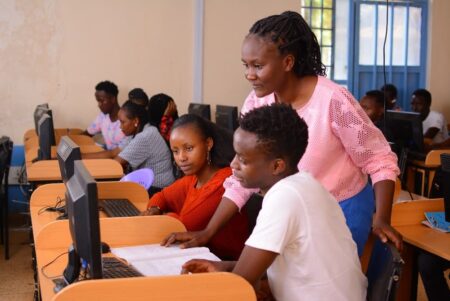
The ASMAK chairperson stressed that internships, apprenticeships and industrial attachments remain among the most effective methods of preparing students for the world of work.
He called on industry partners to expand opportunities for practical workplace exposure, arguing that students gain valuable experience and understanding of employer expectations through real-world environments.
Wahome also encouraged institutions to strengthen supervision, monitoring and evaluation of industrial attachments to ensure students derive maximum benefit from the experience.
“Practical exposure bridges the gap between classroom learning and workplace realities, making graduates more employable,” he said
Recognizing labour migration as an increasingly important contributor to employment creation, Wahome said international job opportunities can help address youth unemployment while generating economic benefits for the country.
However, he emphasized that labour migration must be conducted through safe, ethical and regulated frameworks.
He urged institutions to collaborate with labour migration stakeholders to educate students on overseas employment opportunities, international workplace culture, language requirements and compliance standards.
“Students need accurate information and proper preparation before pursuing employment opportunities abroad,” he said.
Wahome also addressed the growing influence of technology and artificial intelligence (AI) on the future of work, noting that automation is transforming industries worldwide.
While some traditional jobs may disappear or change significantly, he said new opportunities are emerging in technology-driven sectors.
He therefore challenged training institutions to continuously update their curricula to incorporate digital competencies and emerging technologies.
“Graduates must embrace lifelong learning because one qualification alone may not be sufficient for an entire career in today’s rapidly changing world,” he observed.
To strengthen workforce readiness and improve graduate outcomes, ASMAK proposed several interventions, including the establishment of structured industry advisory boards within training institutions.
The association also called for stronger collaboration between academia, employers and labour migration stakeholders, increased internship and apprenticeship opportunities, promotion of entrepreneurship, and integration of digital and soft skills across all training programmes.
Additionally, Wahome recommended regular labour market forums where employers can provide direct feedback to institutions regarding evolving workforce needs.
As Kenya seeks to position itself as a source of skilled labour both locally and internationally, Wahome said collaboration among stakeholders will be vital in producing graduates capable of thriving in an increasingly competitive global economy.
He reaffirmed ASMAK’s commitment to supporting partnerships that create employment opportunities and empower the next generation of workers.
“The future belongs to institutions and industries that collaborate. Our goal should not only be to graduate students but to produce competent professionals who can thrive in Kenya and compete confidently in the global labour market,” Wahome concluded.
The conference brought together researchers, educators, students, industry leaders and policymakers to explore innovative solutions aimed at transforming Technical and Vocational Education and Training (TVET) and strengthening Kenya’s workforce for the future.