








More than 500 women drawn from all 47 counties are expected to converge in Nairobi next week for a national dialogue seeking to confront three persistent barriers to women’s advancement in Kenya which include gender based violence, economic inequality and inadequate representation in political leadership.
The inaugural National Women Dialogue Conference, scheduled for November 25–26 at Safari Park Hotel, comes at a critical moment as the country begins positioning itself for the 2027 General Election, with organisers seeking to place women’s safety, economic empowerment and political participation at the centre of the national agenda.
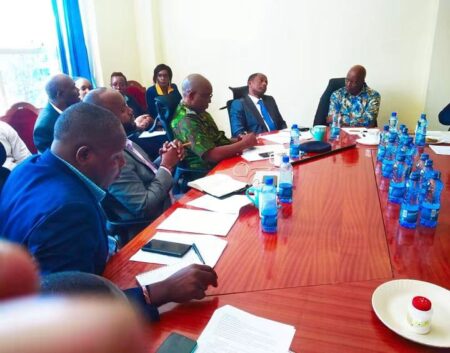
The two day meeting will bring together women leaders, policymakers, legal experts, business executives, political figures, development partners and grassroots representatives to develop practical solutions to challenges that continue to undermine women’s rights and their contribution to national development.

Its opening date coincides with the International Day for the Elimination of Violence against Women, which also marks the beginning of the annual 16 Days of Activism against Gender Based Violence.
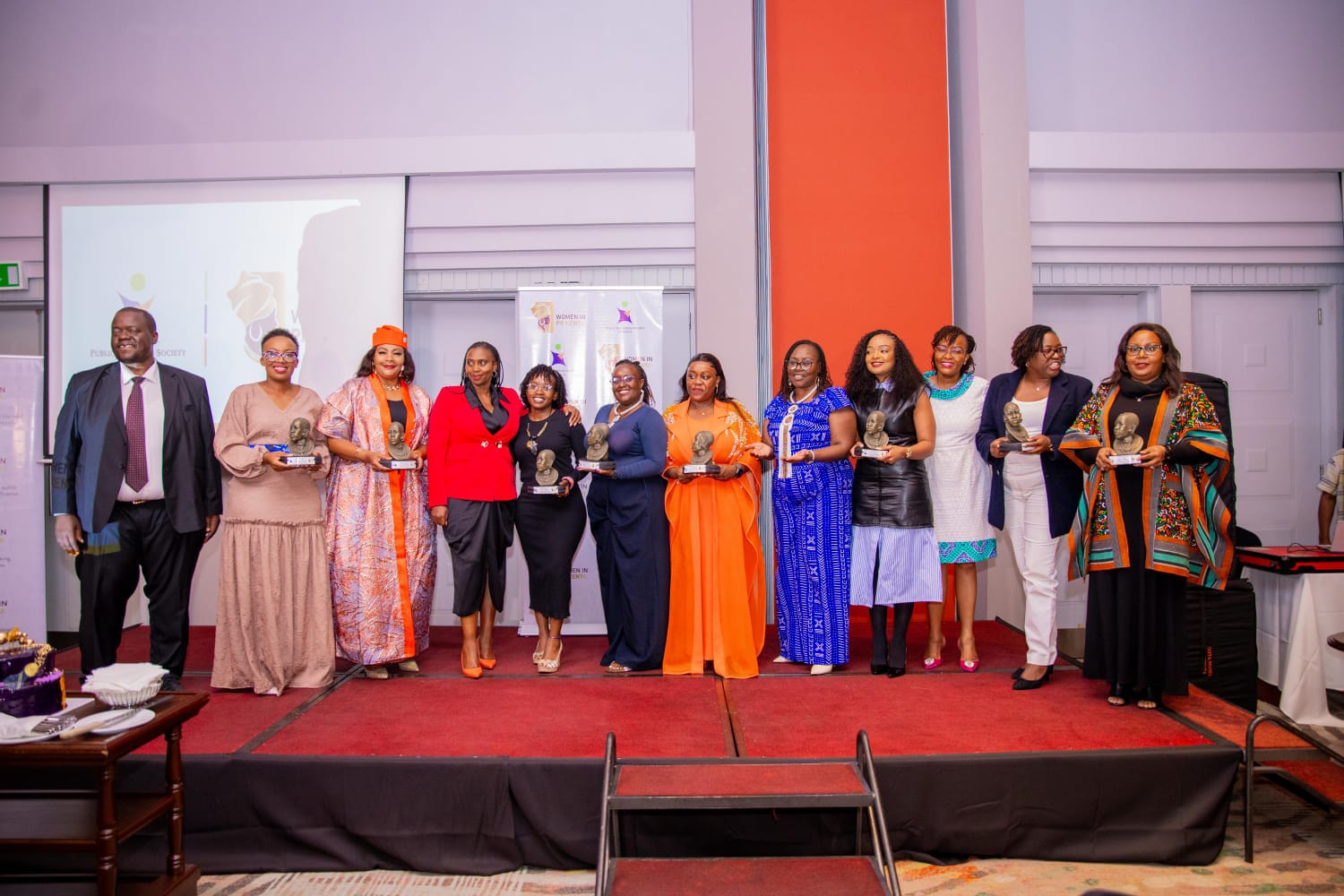
The conference is being convened by the Centre for National Women Dialogue, the Public Relations Society of Kenya (PRSK) and Women in PR, the women’s chapter of the professional body.
Among the invited guests are First Lady Rachel Ruto, Chief Justice Martha Koome, Attorney General Dorcas Oduor, veteran politician Martha Karua and United Nations peace adviser Alice Wairimu Nderitu.
Corporate and business leaders, including Dr Jennifer Riria and Jane Karuku, alongside young women and community advocates, are also expected to participate.
At the heart of the discussions will be the argument that women’s advancement cannot be achieved through isolated interventions but requires simultaneous progress in personal safety, financial independence and access to decision making positions.
The first priority will be addressing the persistent threat of violence against women and girls, including femicide, domestic abuse, sexual violence and emerging forms of technology facilitated harassment.
Kenya continues to grapple with alarming cases of women and girls losing their lives, with at least 220 killings documented in 2025 alone. More than two thirds of documented cases reportedly occurred in homes or shared spaces, with many victims allegedly killed by people known to them.
The figures have intensified demands for stronger protection systems, effective investigations and accountability for perpetrators.
Delegates are expected to examine gaps in the response to gender based violence, particularly the failure to act on early warning signs, delays in investigations, inadequate survivor support and the tendency to resolve serious abuse cases through informal family arrangements.
The discussions will also extend to online violence, where threats, intimidation, sexual exploitation and targeted harassment increasingly undermine women’s participation in public life.
Organisers want institutions responsible for protecting citizens to move beyond public condemnations and strengthen practical interventions, including accessible justice mechanisms, survivor support services, safe shelters and accountability for those who abuse women.
The underlying message is that women should not have to choose between exercising their rights and remaining safe.
The second priority will be expanding women’s economic opportunities, with particular attention to access to affordable financing, land ownership, markets, public procurement and enterprise development.
Although women play a significant role in Kenya’s economy, many continue to operate businesses with limited capital, face difficulties accessing formal credit and encounter barriers when competing for government contracts and other commercial opportunities.
Land ownership and inheritance practices also remain major obstacles, limiting the ability of many women to accumulate wealth, obtain collateral and invest in sustainable enterprises.
The conference will therefore seek to broaden the conversation beyond small-scale financial assistance towards policies that enable women owned businesses to grow, create employment and compete effectively in the wider economy.
Discussions are expected to explore access to public procurement opportunities, climate resilient agriculture, circular economy enterprises and stronger protection of women’s property and inheritance rights.
The organisers believe that economic empowerment must translate into ownership of productive assets, control over income and meaningful participation in major economic decisions.
Without financial independence, women remain vulnerable to exploitation and exclusion, while their ability to influence decisions within households, communities and national institutions is significantly weakened.
The third priority will be securing women’s meaningful participation in political leadership and decision making as the country approaches the 2027 elections.
More than a decade after the promulgation of the 2010 Constitution, the implementation of the two-thirds gender principle remains unresolved, exposing the gap between constitutional guarantees and political reality.
Women continue to be underrepresented in Parliament, county governments and other influential public decision making institutions.
The conference will seek to address the political, institutional and cultural barriers that prevent women from securing elective positions, including limited campaign financing, party nomination challenges, intimidation, violence and online attacks.
Participants will also examine how women can move beyond being mobilised as voters and political supporters to become influential decision-makers, candidates and holders of public office.
With political temperatures expected to rise as parties and aspirants prepare for the next General Election, the dialogue will place particular emphasis on peaceful electoral competition, responsible political mobilisation and the protection of women participating in democratic processes.
Discussions on disinformation, political intimidation and intergenerational leadership are expected to examine how women candidates, voters and civic leaders can be protected from attempts to silence or discourage their participation.
The unresolved gender principle will also feature prominently, with renewed calls for political parties and state institutions to demonstrate commitment to constitutional provisions on equality and representation.
Beyond the discussions, the conference is expected to produce a National Women Dialogue Communiqué and a Women for Peaceful Elections commitment statement.
A 90 day follow up programme, supported by county level forums, will provide a framework for taking the resolutions beyond Nairobi and securing commitments from institutions, political leaders and other stakeholders.
The proposed mechanism is intended to ensure that the meeting does not become another high-profile gathering whose resolutions fade once participants leave the conference venue.
For organisers, the real test will be whether the commitments translate into tangible improvements in women’s lives before the 2027 elections.
Ending violence, expanding economic opportunities and securing political representation are interconnected challenges that cannot be addressed independently.
A woman who lives under the threat of violence cannot fully exercise her economic or political rights. Equally, without financial resources and access to opportunities, women face greater difficulties pursuing leadership positions and challenging discriminatory structures.
The Nairobi dialogue therefore presents an opportunity to build a common national agenda that places women at the centre of Kenya’s political, economic and social transformation.
Its success will ultimately be measured not by the number of prominent personalities attending or the declarations adopted, but by whether women across the country become safer, economically independent and better represented in the institutions that shape their future.