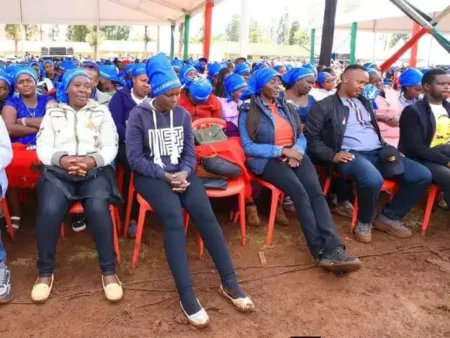
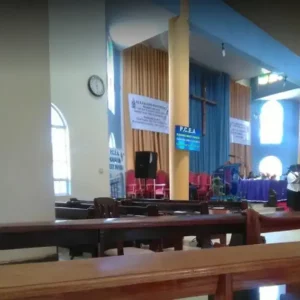



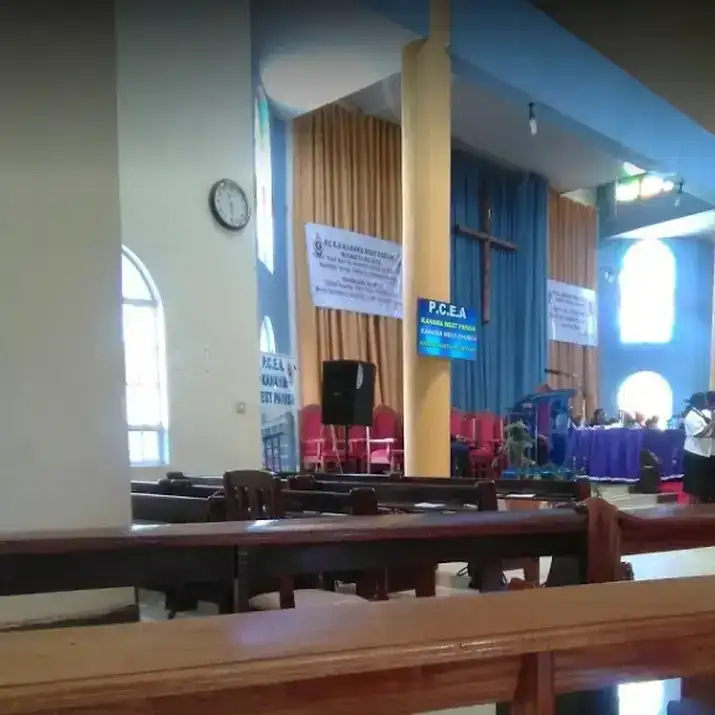
In April this year, the Presbyterian Church of East Africa (PCEA) made a landmark decision to abolish the long-standing requirement that men must solemnize their marriages in a church ceremony to receive Holy Communion and attain full church membership.
The resolution, passed during the 2025 General Administrative Committee (GAC) meeting in Meru, signified a major shift towards inclusivity and pastoral pragmatism. It also sparked both praise and controversy among church members.
The new policy allows men who are legally married under civil or customary law (including “come-we-stay” arrangements that meet legal recognition after a certain period) to be considered full members and partake in the Lord’s Supper. This overturns a tradition that many argued excluded committed Christians based on a human-made rule rather than biblical scripture.
Proponents argue that the change is theologically sound within the reformed tradition of the church popularly know as,’ Kanitha wa mutaratara’ (loosely translated to church formed via a programme) which does not consider marriage a sacrament. The core justification, outlined in internal church documents, is that Holy Communion is a “means of grace for sinners who come in faith and repentance,” not a “reward for moral achievement”.
Reverends supporting the motion noted a “double standard” where women with children outside a church wedding were often admitted, while men in similar marital statuses were sidelined. Rev.Dr.John Calvin Kamau who ministers at Kahawa Sukari PCEA parish in Ruiru says that the move was a major breakthrough which will attract thousands of men back to church.
“After 113 years since the church was formed, our men can now receive the Holy Communion. This makes me feel very happy,” he said after admitting close to 30 men who started receiving the blood and body of Christ on Wednesday, December 17, 2025.
He pointed to the significant “spiritual apathy” and loss of male membership, as many men felt alienated and unable to participate fully despite their faith.
However, the decision has its critics. Concerns were raised during the GAC meeting that lowering the standard risks encouraging practices like polygamy or “come-we-stay” relationships, potentially undermining the sanctity of marriage.
Critics maintain that while a church wedding may not be a sacrament, marriage should still be highly honored (Hebrews 13:4) and blessed within the church setting.
Further guidelines from the church are expected, but for now, the resolution marks a significant reformation within the PCEA, prioritizing grace and inclusivity to bring more men back to the communion table.