






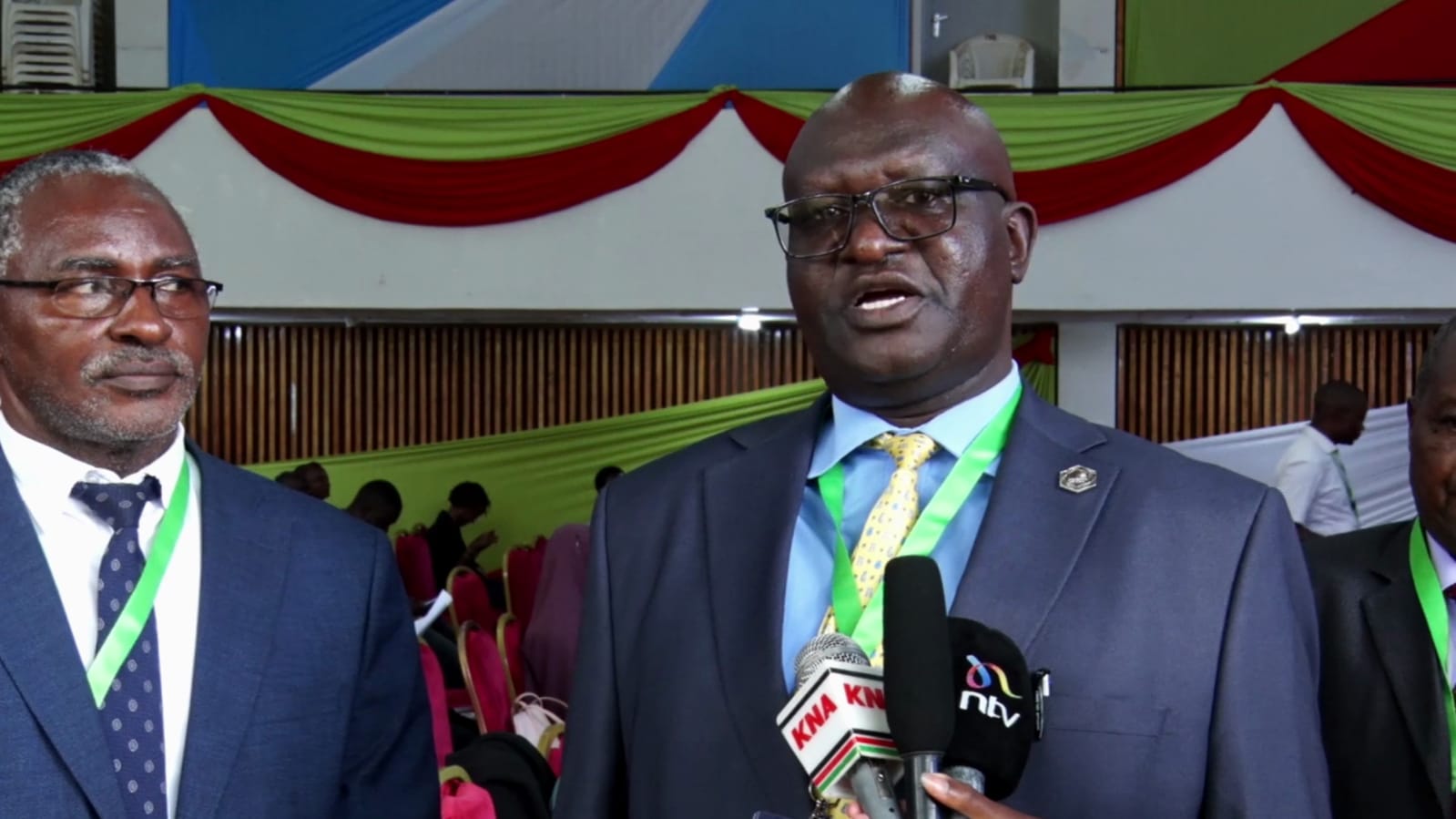
As Kenya faces a daunting rise in critical illnesses, the nation’s top academic minds are under mounting pressure to abandon “ivory tower” theorizing in favor of practical, life-saving medical research.
At the recent two-day Scientific, Technological, and Industrialisation Conference hosted by Jomo Kenyatta University of Agriculture and Technology (JKUAT), a clear mandate emerged: higher education must become the front line in solving the country’s most pressing health challenges.
The call for a shift in academic priorities comes at a time when many Kenyans are still forced to seek specialized treatment abroad. Archer Arina, Director of Technical Training at the Ministry of Education, argued that the synergy between universities and medical professionals is the key to ending this trend.
“Researchers are well equipped to deliver impactful results. The government has invested in funding, and now scholars must provide the evidence based recommendations from nutrition to chronic disease management that improve livelihoods.”
Arina noted that local breakthroughs in treating life-threatening conditions like cancer would not only save lives but also alleviate the massive financial burden of overseas medical tourism.
A significant hurdle for Kenyan research has historically been the “valley of death” between the laboratory and the marketplace. However, the conference highlighted a growing appetite from the private sector to bridge this gap. Financial giants such as KCB Bank and Co-operative Bank of Kenya are increasingly stepping in to fund the commercialization of academic innovations.
Dr. James Micah Osando, JKUAT University Council Chair, confirmed that the institution is putting its money where its mouth is. By combining internal dedicated funds with donor support, JKUAT is aggressively pushing projects toward commercial viability.
Despite the optimism, Prof. Robert Kinyua, Deputy Vice Chancellor for Academic Affairs, reminded stakeholders that groundbreaking research remains a “resource-intensive” pursuit. He emphasized that while the university remains committed to global standards, external funding and industrial partnerships remain the lifeblood of sustainable innovation.
The conference, themed “Transforming Livelihoods Through Training, Research, Innovation and Entrepreneurship for Sustainable Development,” served as a strategic meeting of the minds. Government officials and international experts concluded that for Kenya to survive evolving health threats, research must be responsive, innovative, and, above all, actionable.
As the curtains closed on the summit, the message to Kenya’s scholars was clear: the value of a degree or a study is no longer measured by its complexity, but by its ability to keep the nation healthy.