








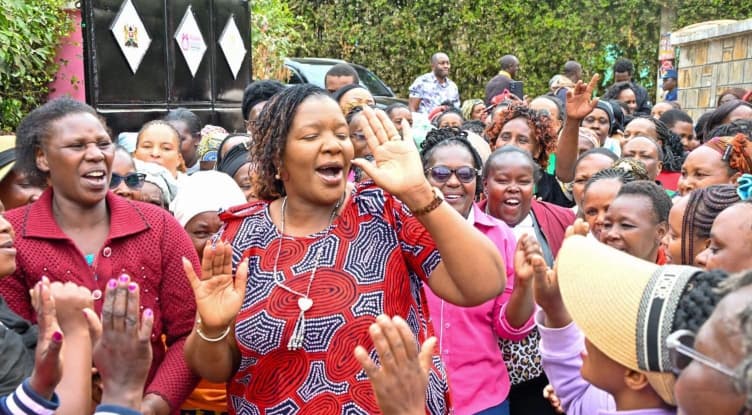
At least 37 grassroots groups across Kiambu County have received a financial boost of Sh100,000 each under the National Government Affirmative Action Fund (NGAAF), in a programme aimed at strengthening community enterprises, supporting vulnerable groups and expanding economic opportunities at the grassroots.
The cheques were issued at the office of Kiambu Woman Representative Anne Wamuratha at Kirigiti Grounds, with beneficiaries drawn from several constituencies and wards across the county.

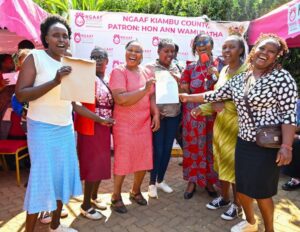
The latest disbursement represents Sh3.7 million channelled directly to organised community groups, including women’s groups, people living with disabilities, farmers, traders, boda boda operators and other self-help organisations.
The beneficiaries are expected to use the funds to strengthen existing income-generating activities and develop enterprises capable of improving household incomes and creating greater economic resilience.
The initiative places emphasis on organised grassroots groups as vehicles through which public resources can reach communities and generate collective economic benefits.
Among the beneficiaries are groups from Juja, Kabete, Gatundu South, Thika, Limuru, Gatundu North and Kikuyu constituencies.
In Juja, beneficiaries include Murera Person With Disability Welfare Group from Murera Ward, Leave Legacy Self Help Group from Theta Ward, Athi Wisdom Self Help Group and Juja Self Help Group from Witeithie Ward.
Kabete constituency beneficiaries include Kabete Hope for PLWHAs Self Help Group and Prime Savers from Kabete Ward, Kanyariri Women Group from Muguga Ward, Ebenezer Women Group from Nyathuna Ward, ACK Gakobu Special Needs Group from Uthiru Ward and Citizen Welfare Group from Nyathuna Ward.
From Gatundu South, Rukobi Visionary Farmers Self Help Group of Ndarugu Ward, New Generation Kiamwangi Disabled Group, Gatundu Luda Estate Self Help Group and United At One Self Help Group were among those receiving support.
Thika was represented by Phase IV United Women Group from Kamen u Ward, Thika Modified Self Help Group, Remix Women Group and Kirathimo Ngoingwa Women Group, all from Township Ward.
In Limuru, the beneficiaries included Hope Dairy Farming Community Group, Ngecha Mission With A Vision Women Group, Kakama Local Chicken Self Help Group, Achievers Smart Ladies Group and Mt Camel Amani Disabled Group.
Gatundu North beneficiaries comprised Hope and Joy People Living With Disability Self Help Group from Chania Ward, Wikuria Self Help Group from Mangu Ward, Gathugu Young Men Self Help Group, Ndigirigi Self Help Group, Gatei Love and Unity Women Group, Ushindi Maria-Ini Widows Women Group and Gacori Gacimi Reformists Self Help Group.
Kikuyu constituency beneficiaries included Pillar Bodaboda Self Help Group, Young Investors Traders Self Help Group, Milele Joint Self Help Group, Kianda Women Self Help Group and Gikambura Disabled and Mentally Handicapped Group.
The distribution of the funds comes against a backdrop of growing calls for government empowerment programmes to move beyond one-off assistance and provide communities with resources that can support sustainable enterprises.
For many grassroots groups, access to capital remains one of the biggest obstacles to expanding businesses, purchasing equipment, increasing production or entering new markets.
The Sh100,000 grants could therefore provide a critical starting point for groups seeking to expand their activities, provided beneficiaries invest the money prudently and maintain proper accountability.
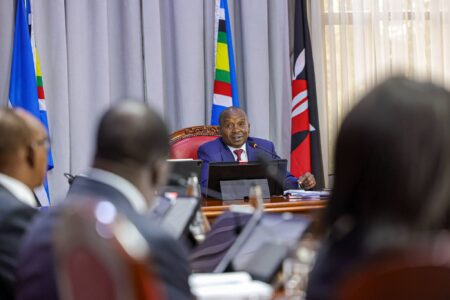
Wamuratha also used the occasion to emphasise the importance of dialogue, development and citizens’ participation in determining the country’s future.
She urged residents to engage in constructive discussions even when they hold different political views, arguing that disagreements should not prevent communities from working together on matters affecting their welfare.
She said citizens have different experiences and knowledge and should be prepared to listen to one another before arriving at common ground.
Her message also touched on the need to recognise development projects and assess their impact on communities.
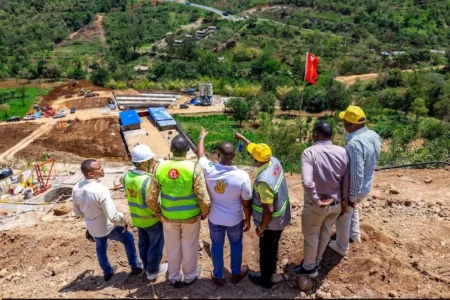
She pointed to improved infrastructure as an example of how public investment can transform local economies, saying better roads can increase accessibility, stimulate businesses and raise the value of property in areas that previously lacked adequate connectivity.
The remarks came as political parties and leaders increasingly turn their attention to the 2027 General Election, with public debate expected to intensify over the record of the current administration and competing visions for the country’s future.
Wamuratha urged residents to examine development and service delivery when making political choices rather than allowing political differences to overshadow tangible issues affecting their daily lives.
She also called for continued engagement with communities, saying leaders should listen to residents and understand their priorities before determining where resources should be directed.
The NGAAF programme, meanwhile, provides an avenue for community groups to access support for initiatives targeting women, young people, people living with disabilities and other vulnerable sections of society.
The beneficiaries are expected to turn the grants into productive ventures that can benefit their members and, ultimately, the wider community.
The latest round also highlights the geographical spread of empowerment initiatives in Kiambu, with groups from both urban and rural areas receiving support.
The groups’ activities range from agriculture and dairy farming to poultry, trade, welfare programmes, special-needs support and boda boda-related enterprises.
Such diversification is significant in a county whose economy combines agriculture, manufacturing, trade, services and a rapidly expanding urban population.
For the beneficiaries, the immediate challenge will be to ensure that the funds translate into measurable economic gains rather than being consumed through short-term expenditure.
Proper financial management, collective decision-making and investment in viable projects will be critical if the groups are to build sustainable enterprises from the initial capital.
The programme also carries a wider message about the role of grassroots organisations in community development.
Well-organised self-help groups can provide members with a platform for pooling resources, accessing markets, sharing skills and creating income opportunities that may be difficult to achieve individually.
The Sh3.7 million distributed to the 37 groups therefore represents more than a financial handout. It is an investment in collective action, with the potential to strengthen livelihoods if managed effectively.
Groups from constituencies not listed in the latest distribution had already received their cheques during earlier NGAAF empowerment programmes conducted within their respective constituencies.
The continued disbursements are expected to keep the focus on grassroots empowerment, with beneficiaries now under pressure to demonstrate that public funds can be transformed into sustainable enterprises and improved livelihoods.
For Kiambu residents, the success of the initiative will ultimately be measured not by the number of cheques issued but by what the money achieves — businesses expanded, jobs created, vulnerable households supported and community enterprises made more resilient.