



President William Ruto recently unveiled ambitious plans for a comprehensive Thika Superhighway upgrade, aiming to transform the vital artery into a modern expressway. This significant infrastructure project seeks to alleviate persistent traffic congestion and significantly boost economic activity along one of Kenya’s busiest corridors. The announcement underscores the government’s unwavering commitment to enhancing national transport networks and facilitating smoother commerce for thousands of daily commuters.
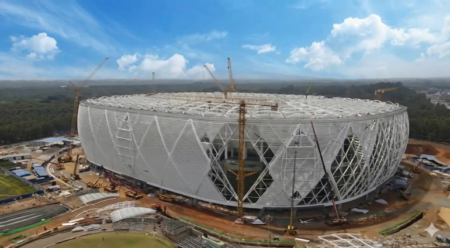
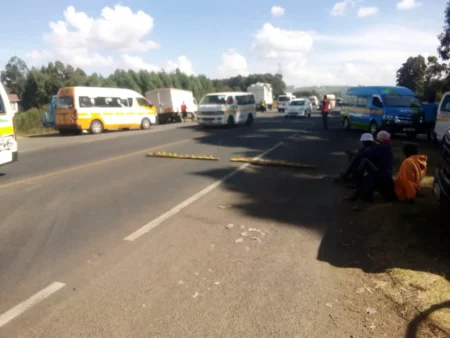
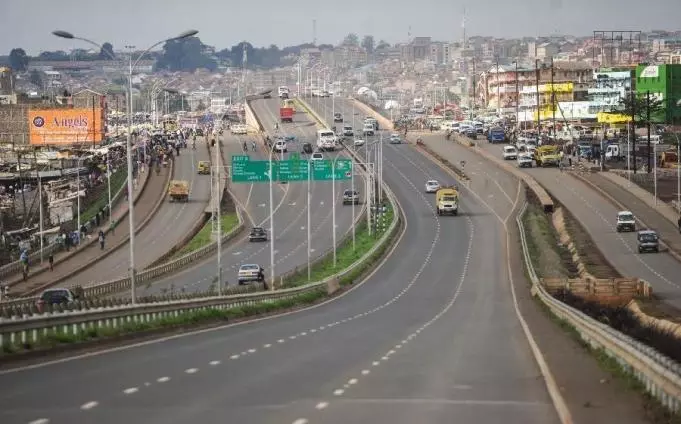
The Head of State made this declaration during the 62nd Jamhuri Day celebrations on Friday, December 12, 2025, at Nyayo National Stadium. President Ruto emphasized the growing population in Thika and surrounding areas, which has increasingly overwhelmed the existing six-lane Thika Superhighway. This vital road, completed over a decade ago, now struggles to manage the heavy daily traffic.
The proposed expressway will span approximately 45 to 60 kilometres, connecting Thika town to Museum Hill in Nairobi. This new route is specifically designed to complement the current superhighway, offering an alternative high-speed corridor. Officials anticipate the project will drastically cut travel times for residents and businesses within the metropolitan region.
Despite its modernization in 2012 under President Mwai Kibaki’s administration, the Thika Superhighway has become a bottleneck. The previous upgrade, costing Ksh 31 billion, provided substantial improvement at the time. However, rapid urbanisation and increased vehicular traffic have rendered the existing infrastructure inadequate, necessitating this fresh intervention to maintain efficient mobility and connectivity.
President Ruto indicated that the new expressway is expected to mirror the elevated Nairobi Expressway, commissioned in 2022. This suggests the project will likely be executed through a Public-Private Partnership (PPP) model, potentially involving tolls to recover construction and operational costs. Such a financing approach aligns with the government’s broader infrastructure development strategy.