






Ngegu Primary School in Kiambu is set for a major transformation following the completion of six additional classrooms and the launch of a second phase of infrastructure improvements funded through the National Government Constituency Development Fund (NG-CDF).
The project, being implemented through the office of Kiambu Member of Parliament Machua Waithaka, is aimed at easing congestion at the school while improving the safety, accessibility and general learning environment for pupils and teachers.

The six new classrooms, constructed in a two storey block under the first phase of the project, have expanded the school’s learning space and helped address overcrowding that had affected the institution.
The development marks part of a broader infrastructure programme intended to modernise the school and provide pupils with facilities that support effective teaching and learning.
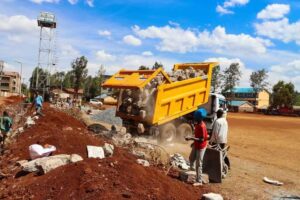
The second phase of the project is now under way, with construction of a perimeter wall and a modern gate among the works being undertaken at the institution.
The perimeter wall is expected to strengthen security around the school by controlling access to the compound, while the new gate will provide a more modern and organised entrance to the institution.
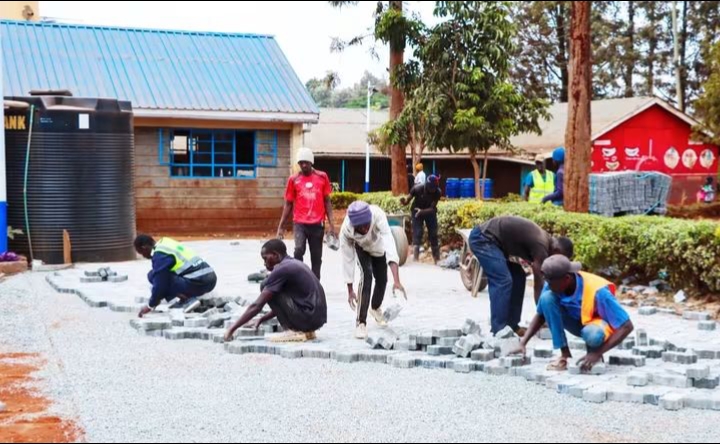
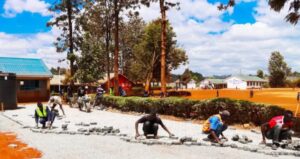
The project also includes installation of cabro paving within the school compound, a move expected to improve movement during rainy weather and enhance the general appearance and usability of the grounds.
According to Mr Waithaka, additional works planned under the second phase include tiling of classrooms, installation of new blackboards, replacement of old roofing materials and construction of new toilets.

The MP said the interventions would be followed by renovation and facelift of existing classrooms as part of efforts to give the school a modern appearance.
The works are expected to transform Ngegu Primary into a more spacious, secure and attractive learning institution, with the constituency leadership saying pupils returning to school in January should find significantly improved facilities.
The investment comes amid growing emphasis on upgrading public primary schools through improved infrastructure, better learning spaces and enhanced sanitation facilities.
For Ngegu residents, the project is expected to address some of the longstanding infrastructure needs of the school while improving the environment in which children learn.
The development programme extends beyond the school compound. The constituency has also undertaken the tarmacking of the Ngegu-Edenville Road, improving connectivity and easing movement for residents and motorists in the area.
The road project is expected to complement the school improvements by enhancing access to the institution and surrounding neighbourhoods.
Mr Waithaka has described the projects as part of his commitment to delivering visible development projects in the constituency, maintaining that infrastructure investment remains central to improving public services.
The Ngegu project therefore represents a multi faceted intervention covering education infrastructure, sanitation, security, accessibility and transport.
Once the ongoing works are completed, the school is expected to have a new perimeter wall and gate, improved classrooms, upgraded roofing and sanitation facilities, paved sections of the compound and additional learning spaces.
The transformation is also likely to improve the school’s overall image and provide a more conducive environment for pupils and teachers.
For the NG-CDF, the project underscores the role of constituency development funding in addressing local infrastructure gaps, particularly in public learning institutions where demand for better facilities continues to grow.
With the first phase already completed and the second phase progressing, attention is now turning to the completion of the remaining works and the planned facelift of the existing classrooms.
The constituency leadership says the ultimate goal is to create a safer, cleaner, more spacious and modern learning environment for children at Ngegu Primary School.
The projects are being implemented under Mr Waithaka’s broader development agenda, which he has summed up through the slogan, “Yangu Ni Kazi Tu.”