










Kiambu MP Machua Waithaka has intensified efforts to equip young people in the constituency with practical skills, as he seeks to expand pathways to employment, self-employment and economic independence.
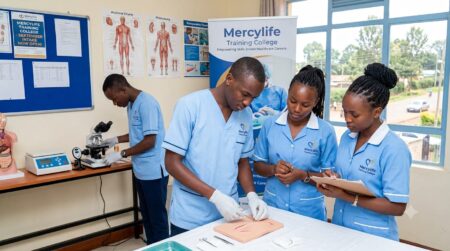
Through the National Government Constituencies Development Fund (NG-CDF), 350 young people are currently undertaking Grade II technical training in plumbing, caregiving and barista skills.
The initiative is part of a broader push to give young people marketable skills that can enable them to compete for jobs while also creating opportunities for those who choose to establish their own businesses.

Waithaka said investment in skills development was critical in preparing young people for a changing labour market, where practical competencies and recognised certification can make the difference between unemployment and a sustainable source of income.
“We are investing in the future of our young people by equipping them with practical skills that can create opportunities for employment and self-employment,” Waithaka said.
The training is NITA-accredited, giving participants an opportunity to acquire recognised technical qualifications as they prepare to enter the workforce.
For the beneficiaries, the programme represents the next stage in a training journey that has already seen them complete Grade III courses.
They have now progressed to Grade II, placing them closer to completing their technical training and pursuing employment or enterprise opportunities in their respective fields.
The 350 trainees are expected to graduate in the coming weeks, marking an important milestone in a programme designed to move young people beyond short-term assistance and towards sustainable livelihoods.
The emphasis on practical training also reflects the growing need for skills that can be directly applied in the workplace.
A young person trained in plumbing, for instance, can seek employment in the construction and property sectors while also offering services independently. Similarly, training in caregiving can open opportunities in the expanding care economy, while barista skills can provide entry points into the hospitality and food-service industry.
Such skills can also provide young people with a foundation on which to build small enterprises, allowing them to become employers rather than solely job seekers.

The transition from Grade III to Grade II is particularly significant because it demonstrates an attempt to build skills progressively rather than treating technical education as a one-off intervention.
With the trainees having already completed their initial level of training, the current programme is enabling them to deepen their competencies and improve their prospects in the labour market.
Youth unemployment and underemployment remain among the key challenges facing communities across Kenya, with thousands of young people entering the labour market every year without the technical or financial resources needed to establish sustainable livelihoods.
For constituency-based development programmes, the challenge is therefore increasingly shifting from simply providing opportunities to ensuring that beneficiaries acquire skills that can translate into actual economic activity.
It is against this backdrop that the Kiambu training programme is being positioned as an investment in human capital.
Waithaka has framed the initiative around economic empowerment, arguing that young people equipped with practical skills can take greater control of their economic futures.
The forthcoming graduation is expected to mark the completion of the current phase while opening a new chapter for the beneficiaries as they seek employment, apprenticeships or opportunities to establish their own ventures.
For the trainees, the journey from Grade III to Grade II offers more than a certificate. It provides an opportunity to turn technical knowledge into an income-generating skill and, ultimately, greater financial independence.
The programme also highlights the role of NG-CDF in supporting interventions that directly target young people and address the gap between education and employment.
As the trainees prepare to graduate, the focus will now shift to what comes next—whether they can secure jobs, access enterprise opportunities or use their newly acquired skills to establish businesses.
For Waithaka, the objective is to ensure that youth empowerment goes beyond rhetoric and translates into practical opportunities capable of changing lives.
The graduation in the coming weeks will therefore not only celebrate the completion of training but also signal the beginning of the beneficiaries’ transition into the world of work and enterprise.
The constituency’s investment in technical skills development underscores a growing recognition that empowering young people requires giving them tools they can use to earn a living, create businesses and contribute to the local economy.
With 350 young people advancing to Grade II training, the programme has placed skills development firmly at the centre of the constituency’s youth empowerment agenda.